Madama Butterfly
First performed: 1904
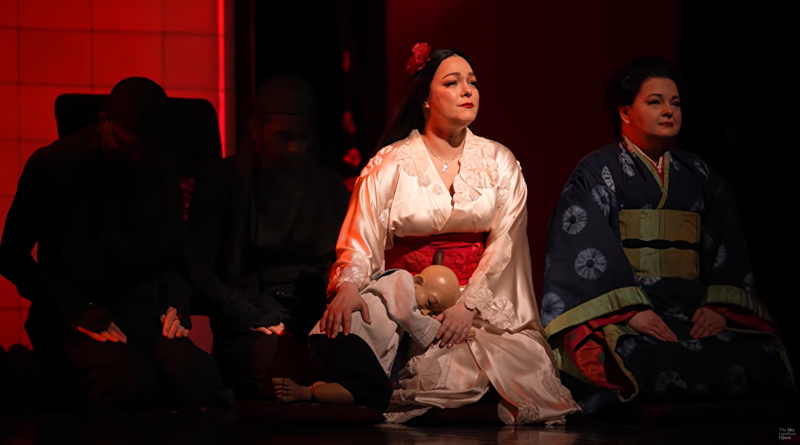
Overview: The young Cio-Cio-San (known as Butterfly) gives up everything to marry American naval officer Pinkerton. However, Pinkerton does not intend to be faithful to her. He leaves for America, while Butterfly gives birth to a son and loyally awaits his return. Eventually, Pinkerton does drop anchor in Nagasaki again, but is he back for good? Butterfly’s story is a moving tale of hope, betrayal and heartbreak.
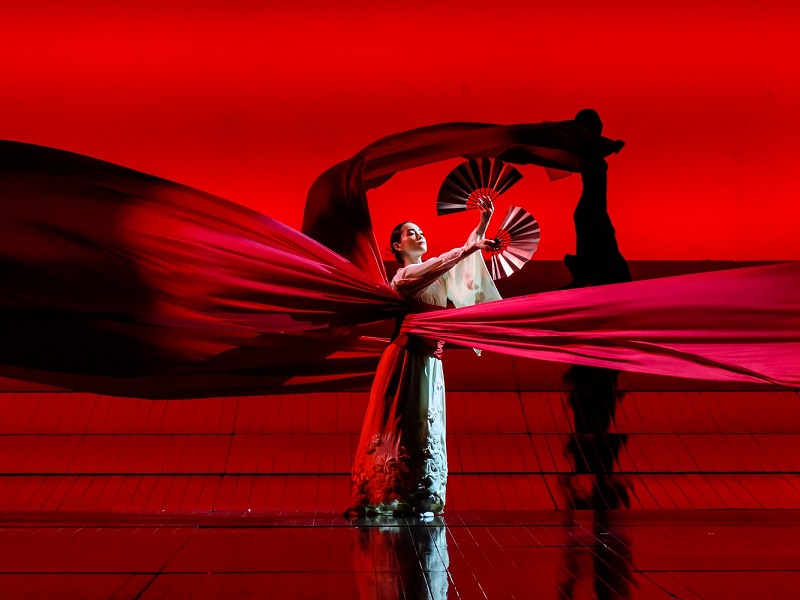
Madama Butterfly’s famous music:
- ‘Un bel dì, vedremo’ (‘One fine day’): In this wistful aria, Butterfly imagines Pinkerton’s return to Nagasaki and holds tightly to the hope that they will be reunited.
- The Humming Chorus: A resonant, wordless interlude as Butterfly and her son wait through the night for Pinkerton’s arrival.
Why see it?
With its deeply moving story, lush orchestration and soaring melodies, Madama Butterfly (often written as Madame Butterfly or Madam Butterfly) is a powerful introduction to Puccini’s music. At its heart is the character of Cio-Cio-San – one of opera’s most demanding and unforgettable roles.
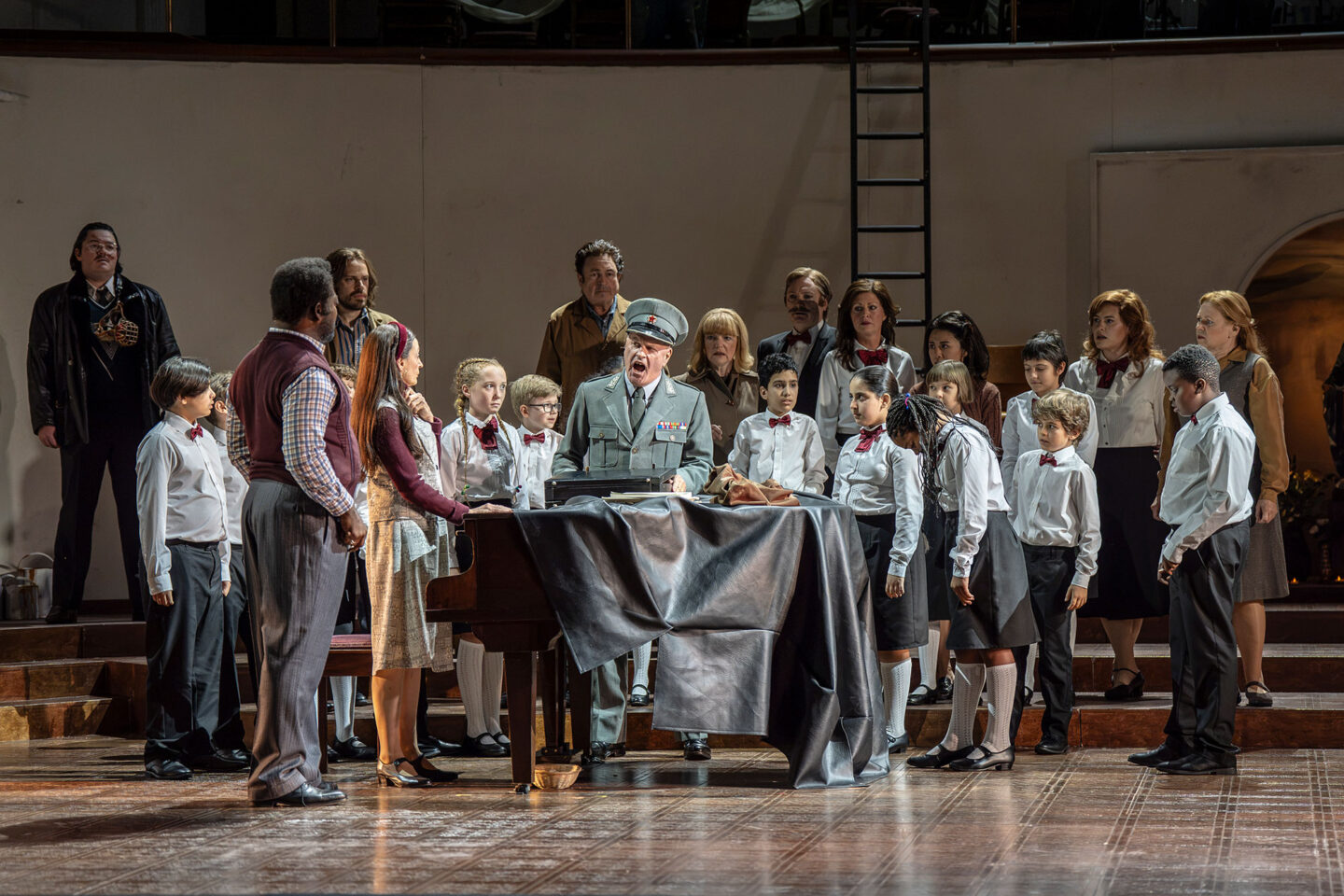
Tosca
First performed: 1900
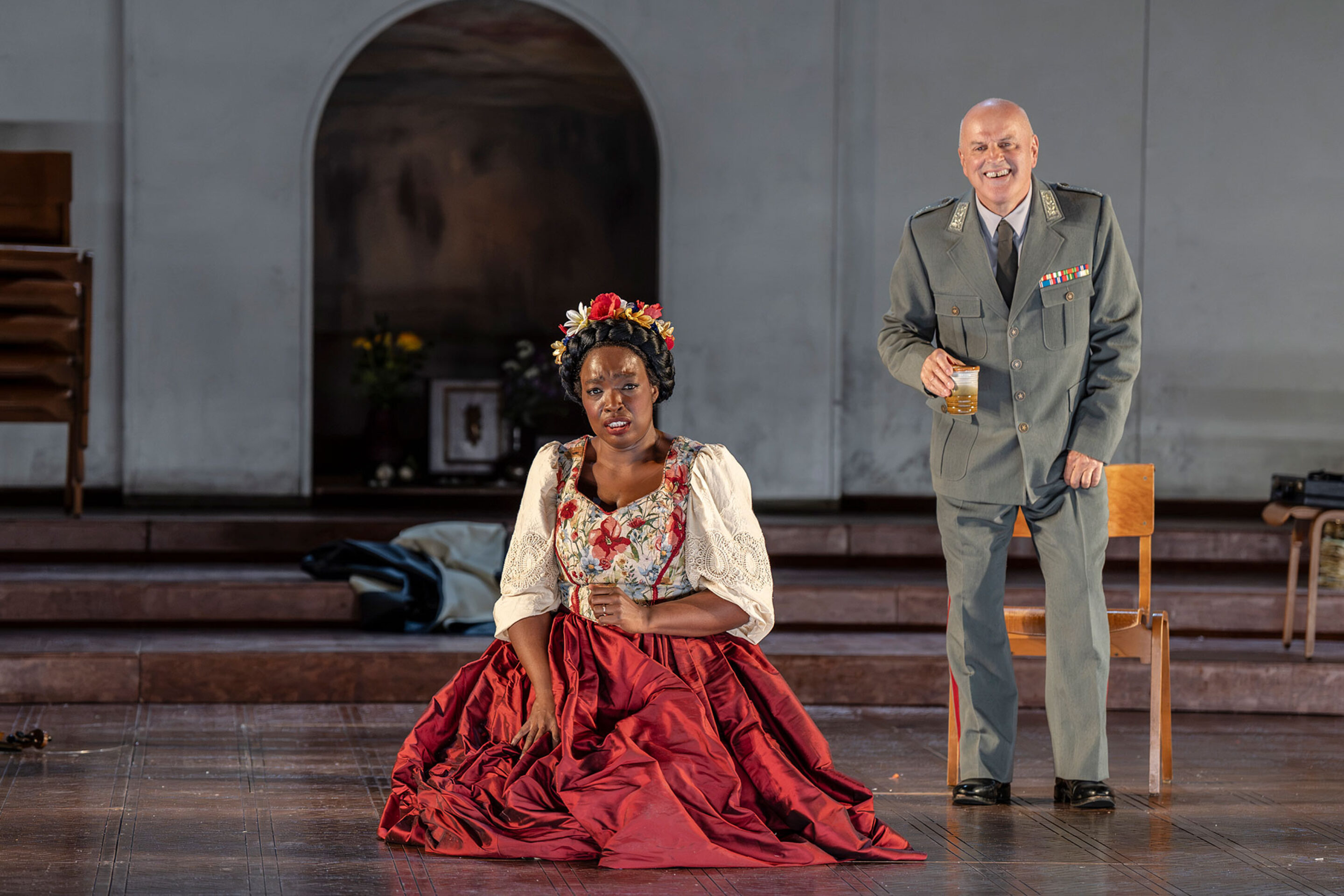
Overview: Rome, 1800. A painter, Cavaradossi, hides an escaped political prisoner, Angelotti. The evil police chief Scarpia plans to destroy Cavaradossi and seduce his lover Tosca. Scarpia imprisons Cavaradossi and questions Tosca while her lover is tortured until she reveals Angelotti’s hiding place. The lustful head of police asks Tosca to give herself to him before he will let her and Cavaradossi go free. She agrees, but his offer is not all it seems.
Tosca’s Famous music:
- ‘Vissi d’arte’ (‘I lived for art’): Despite giving her name to the opera, Tosca only has one beautiful, despairing solo aria. She sings ‘Vissi d’arte’ when propositioned by Scarpia in exchange for the life of her lover.
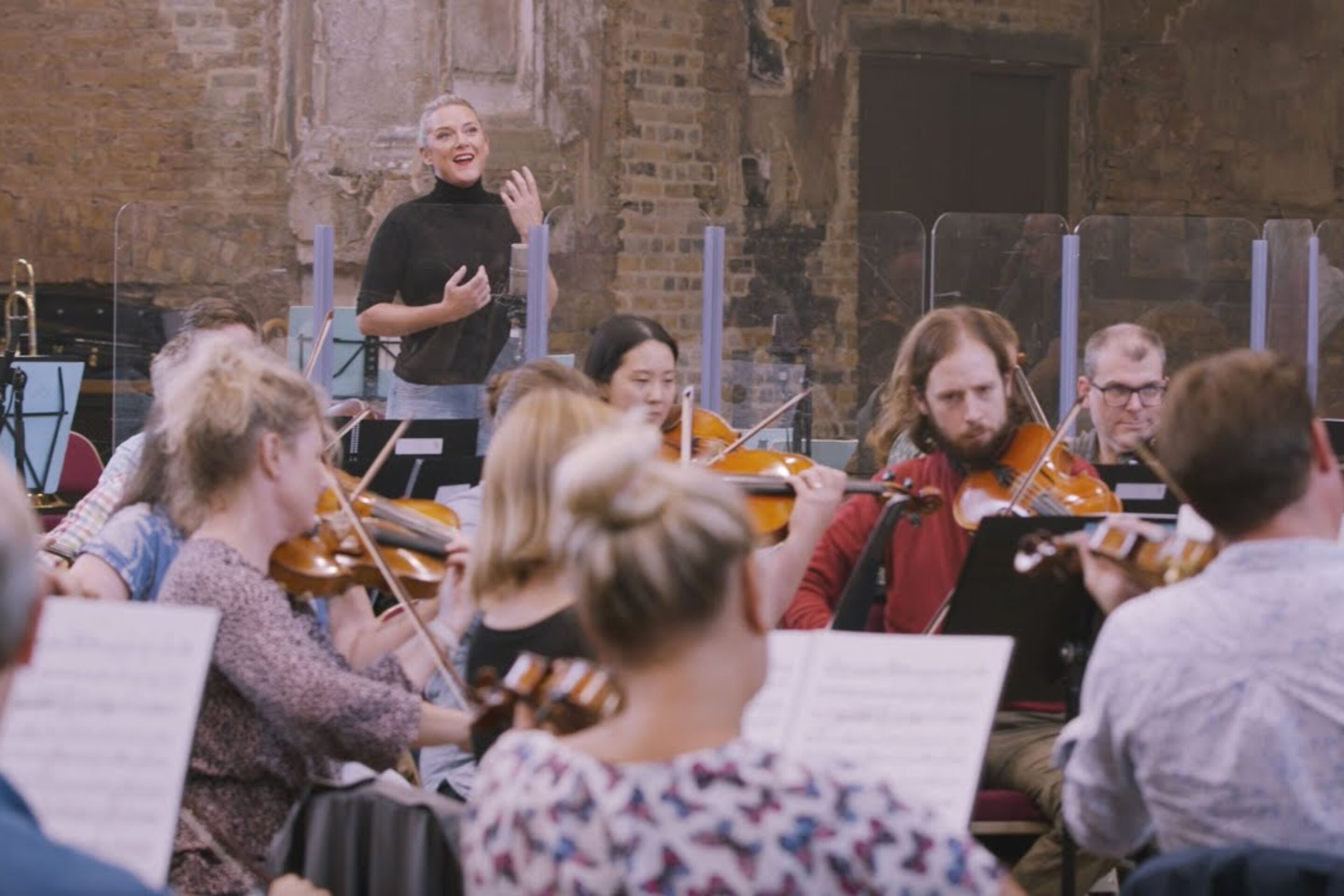
- ‘E lucevan le stelle’ (‘And the stars were shining’): Cavaradossi sings this heart-breaking expression of his memories of love for Tosca while awaiting his execution.

Why see it?
When Tosca premiered, the press called it ‘a shabby little shocker’, but audiences didn’t care. They were instantly gripped by its spellbinding melodies and unforgettable characters. Not much has changed since – the battle of wills between the evil Scarpia and the desperate Tosca will have you on the edge of your seat.
Explore our introduction to Tosca to learn about the story, history and music behind Puccini’s famous Italian opera.
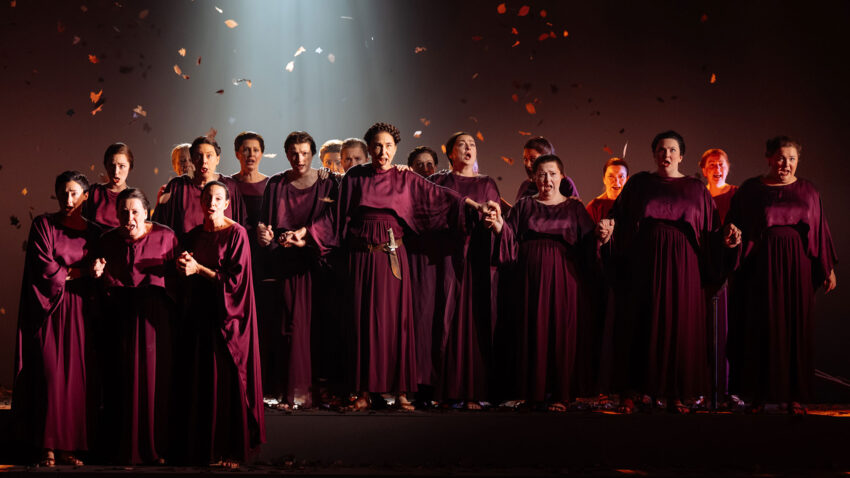
Combining soaring music and insightful human drama, Puccini’s operas have remained popular for a reason. This autumn our production of Tosca is an opportunity to see a new reimagining of a powerful and enduring drama.
See Tosca with ENO this year

What's On

Attending opera for the first time?
Turandot
First performed: 1926
Overview: The cold-hearted Princess Turandot will marry whoever can answer her three riddles – but failure means death. The Prince of Tartary falls for her, and guesses correctly, but she is reluctant to marry him. He tells her that if she can guess his name, he agrees to die instead. A servant girl, Liù, confesses to Turandot that she knows what the Prince is called, but she refuses to tell, in the name of love. Will the princess’s heart be melted?

Turandot’s Famous music:
- ‘Nessun dorma’ (‘Let no one sleep’): As Prince Calaf waits overnight in the palace gardens for someone to reveal his name, he sings one of the best-loved operatic arias of all time.
- ‘In questa reggia’ (‘In this palace’): As she enters in Act IITwo, Turandot explains that she refuses marriage in honour of her ancestor, Lou-Ling, who was raped and murdered by an invading prince. Her full-throttle aria explains her thirst for vengeance.

Why see it?
Puccini’s last opera, Turandot, is an enchanting display of his gifts as a composer. He draws on the more adventurous music of his contemporaries, from Stravinsky to Strauss, while wrapping everything up in a gorgeous Italian package. The suffering servant girl, Liù, is an especially vivid character.
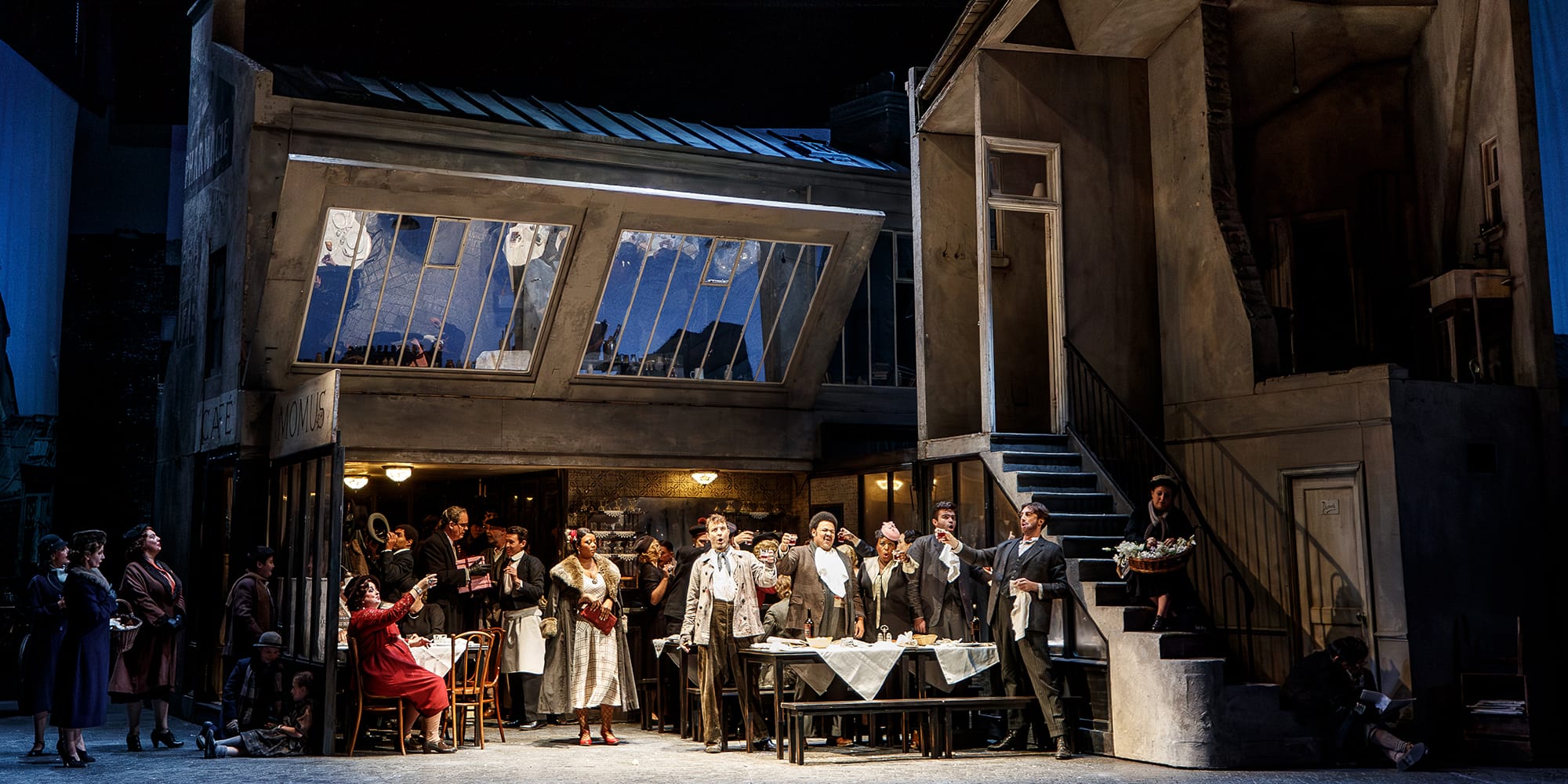
La bohème
First performed: 1896
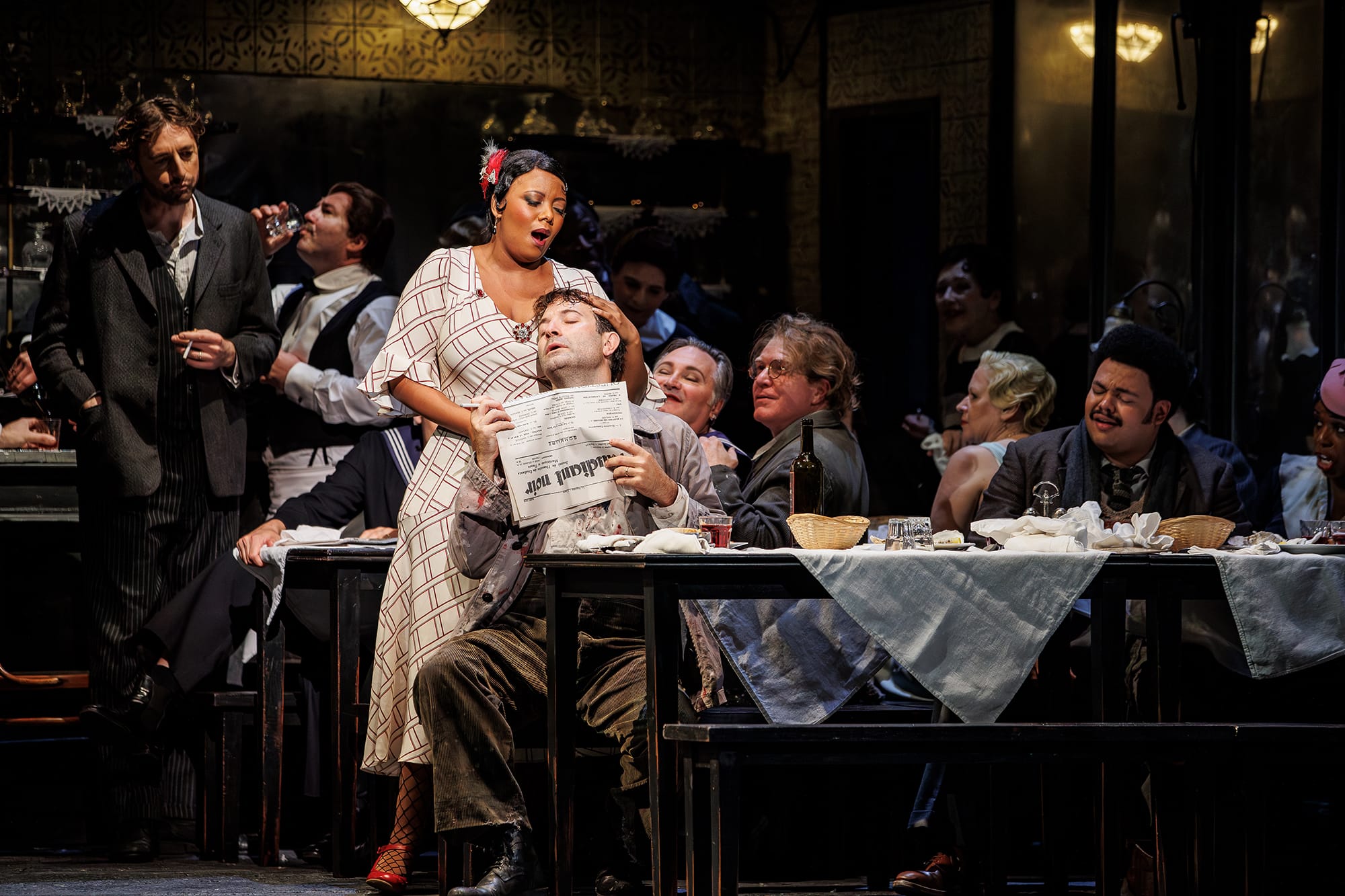
Overview: In 19th-century Paris a seamstress, Mimì, knocks on the door of an impoverished painter, Rodolfo, in search of a light for her candle, and they fall in love. But soon Rodolfo has abandoned Mimì because she has consumption, in the hope that she will find a wealthier lover. However, Rodolfo eventually discovers that Mimì has left her patron and is gravely ill. The opera’s ending is a tragedy of delayed responsibility.
La bohème’s famous music:
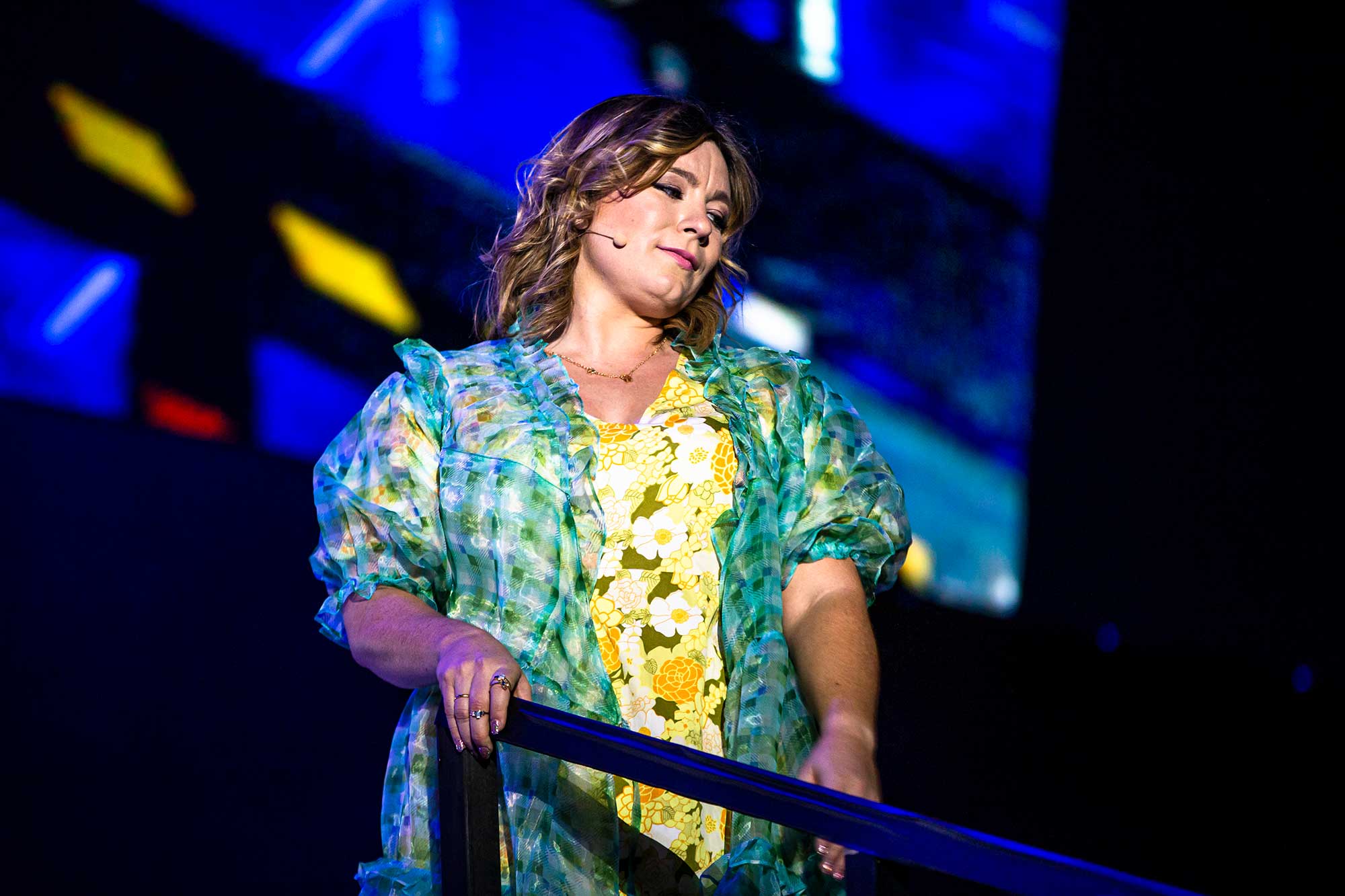
- ‘Che gelida manina’ (‘Your tiny hand is frozen’): Mimì and Rodolfo’s love story begins with this tender, heartfelt aria. Their candles have gone out, and Mimì has lost her room key. As they search for it in darkness, he takes her by the hand.
- ‘Mi chiamano Mimì’ (‘They call me Mimì’): After Rodolfo begins the conversation, Mimì makes her reply, and this is the other most popular musical moment in La bohème. She introduces herself in this aria, which conjures up her sensitivity and fragility.
Why see it?
The touching, impassioned romance and its tearjerker of an ending is just one thread in the beautiful tapestry that is La bohème. This gripping tale of a crew of impoverished bohemians is stuffed with memorable characters and eloquent music.
Manon Lescaut
First performed: 1893 (revised 1893 and 1922)
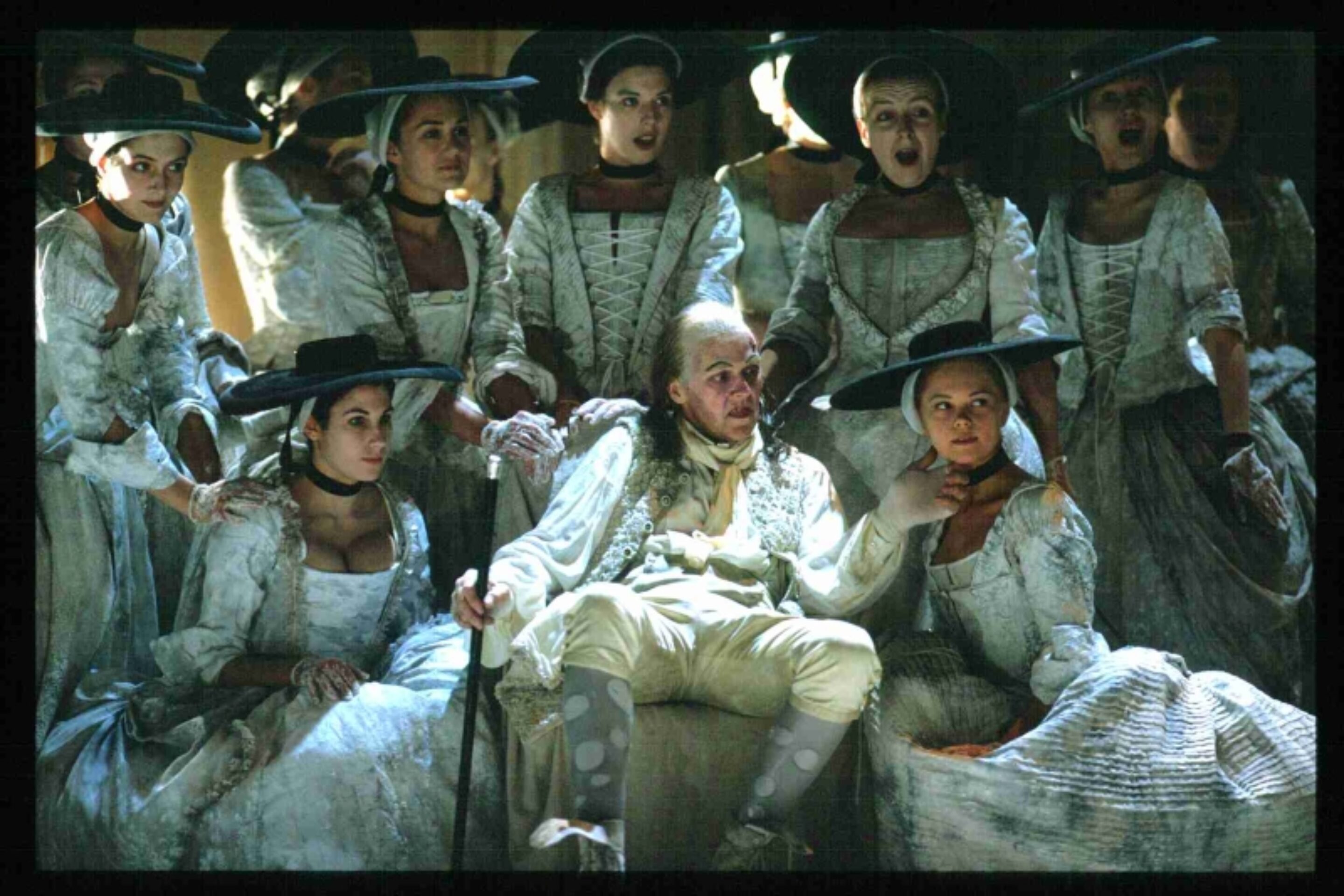
Overview: In 18th-century France, the student des Grieux and the wealthy Géronte fall in love with Manon. She elopes with des Grieux, then leaves him for Géronte and his riches. But when des Grieux reappears Manon is ready to run away with him. She tries to bring her jewels, but Géronte has her arrested as a thief. Manon is deported, and des Grieux accompanies her, but they cannot last long on the run.
Manon Lescaut’s famous music:
- ‘Donna non vidi mai’ (‘I have never seen a woman such as this one’): Des Grieux sings this rapturous aria when he first lays eyes on Manon. It’s a perfectly pitched musical evocation of love at first sight.
- ‘Sola, perduta, abbandonata’ (‘Alone, lost, abandoned’): This aria conjures up a horrifying fate for Manon through searingly resonant music. Lost in the barren American desert, the heroine contemplates the idea that her beauty has led her here.
Why see it?
After two failed operas, Manon Lescaut was the 34-year-old Puccini’s first hit: when it premiered he was hailed as the successor to Verdi. Pacy and passionate, with a compelling heroine, it contains all the ingredients of his later triumphs – an enjoyable taste of what was to come.
Suor Angelica
First performed: 1918
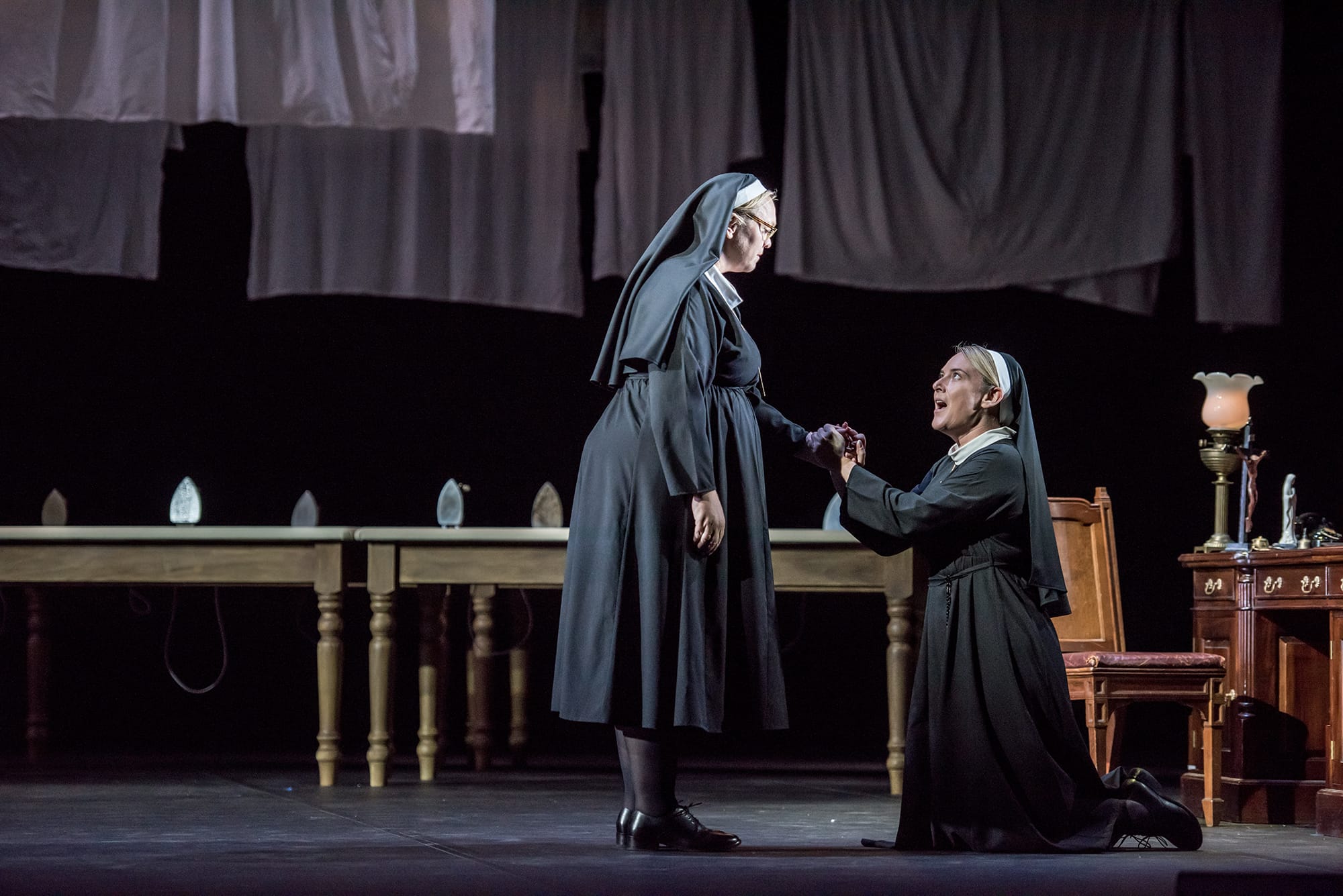
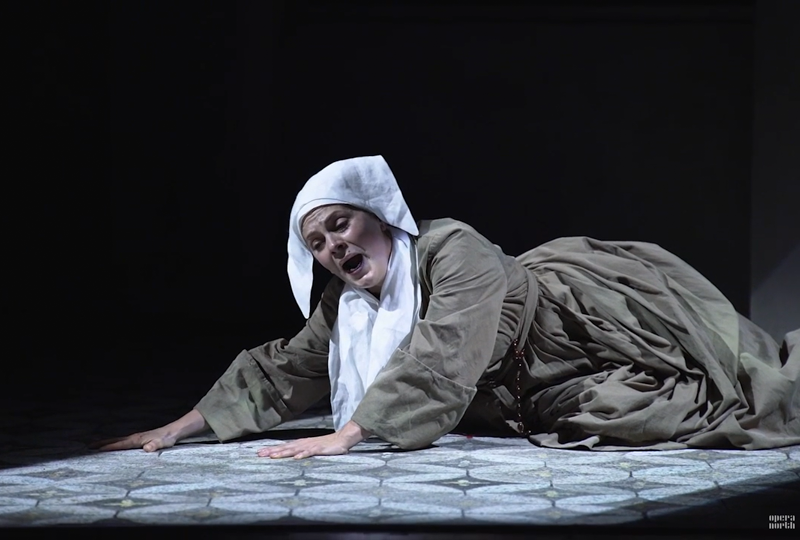
Overview: In Puccini’s trio of one-act operas, Suor Angelica is the centrepiece. Angelica is a nun in 17th-century Italy who has been confined to a convent as a punishment for having an illegitimate child. Her aunt, a princess, visits and tells her that her child is dead. Angelica decides to poison herself, then remembers – too late – that suicide is a mortal sin. But how should sin be weighed against maternal love?
Suor Angelica’s famous music:
- ‘Senza mamma’ (‘Without a mother’): Angelica’s anguished aria is a beautiful and moving song of mourning for her dead child.
- Angelica/Principessa duet: The duet in which Angelica confronts her cruel aunt is a chilling dialogue full of foreboding, in stark contrast to the scenes of sisterhood among the nuns.
Why see it?
The only opera by Puccini sung by an all-female cast, Suor Angelica is still deeply relevant today. ENO’s most recent production explored events within living memory in Ireland’s Magdalene laundries, where unmarried mothers were imprisoned and separated from their babies. Sometimes dismissed as sentimental, Suor Angelica is genuinely interested in the realities of women’s lives.
Gianni Schicchi
First performed: 1918
Overview: In 13th-century Florence, Buoso Donati’s family have gathered to mourn his death but are horrified to realise that he has left everything to a monastery. Gianni Schicchi, whose daughter wants to marry Donati’s nephew, comes up with a scheme: they’ll cover up the death, and he’ll pretend to be Donati and dictate a new will. However, the family is surprised by the will’s main beneficiary…
Gianni Schicchi’s famous music:
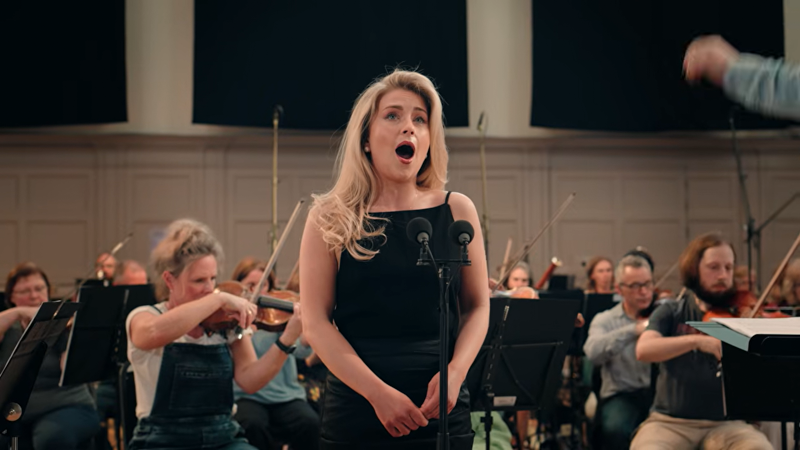
- ‘O! Mio babbino caro’ (‘Oh, my dear papa’): Schicchi’s daughter Lauretta pleads with her father to help Donati’s family in an aria that has had a very long life beyond Puccini’s one-act opera.
Why see it?
Puccini never wrote a full-length comic opera, but Gianni Schicchi suggests that he should have done. This quickfire piece is genuinely hilarious and features some gorgeous tunes – as well as a very satisfying ending.
Puccini FAQs
Puccini wrote 12 operas in total, 7 of which are commonly performed works. He also wrote music for orchestra and for piano, chamber music, art songs and choral music.
Puccini’s 12 operas, listed in order of composition, are Le Villi, Edgar, Manon Lescaut, La bohème, Tosca, Madama Butterfly, La fanciulla del West, La rondine, Il tabarro, Suor Angelica, Gianni Schicchi and Turandot.
La bohème, Tosca and Madama Butterfly are usually considered to be Puccini’s most famous operas, beloved for their enthralling stories and ravishing music. Other notable operas by the composer include Manon Lescaut, La fanciulla del West and Turandot.
Puccini’s operas La bohème, Tosca and Madama Butterfly are generally agreed to be his best, and have remained extremely popular with audiences for over 100 years. Also up there is Turandot – with his final opera, the composer ended on a high. It contains fantastic orchestral writing, plenty of thrills and one of Puccini’s best-known arias, ‘Nessun dorma’.
Related Content

Giacomo Puccini

The Beginner’s Guide to Puccini