
Opera Seria
If you ask someone to describe ‘opera’, usually the words drama and tragedy come to mind.
This stereotype stems from one of the oldest opera genres, Opera Seria, which gets its name from the Italian term for serious music.
Opera Seria typically covered historical or heroic productions, which led to the creations of two famous opera singing voices – prima donna (leading lady) and castrato (male hero).
These types of operas became increasingly popular among royal courts because the nobility enjoyed seeing their heroic stature reflected in the characters on stage.
If you’re new to opera, Handel and Mozart are two of the most famous examples of Opera Seria composers, with works like Handel’s Rodelinda and Mozart’s La clemenza di Tito (The Clemency of Titus) being a great place to start.

Learn more about Opera Seria

Rodelinda

Orpheus and Eurydice

The Beginner's Guide to Mozart
Opera Buffa
Coming from humble beginnings, the Opera Buffa was originally a one act comedic section of an Opera Seria that was used to bring some light relief to the tragic operas.
However, everyone loves a good laugh which made Opera Buffas increasingly popular and led to them becoming an opera genre in their own right.
Opera Buffa is the polar opposite to Opera Seria. One is funny and the other serious, one depicted royalty and the other ordinary peasant life that audiences could relate to.
If you’re new to opera, and you want something funny then start with one of Mozart’s most famous operas, The Marriage of Figaro, as this is one of the most well known examples of Opera Buffa. Also go for The Barber of Seville or Cinderella (La Cenerentola) by Rossini.
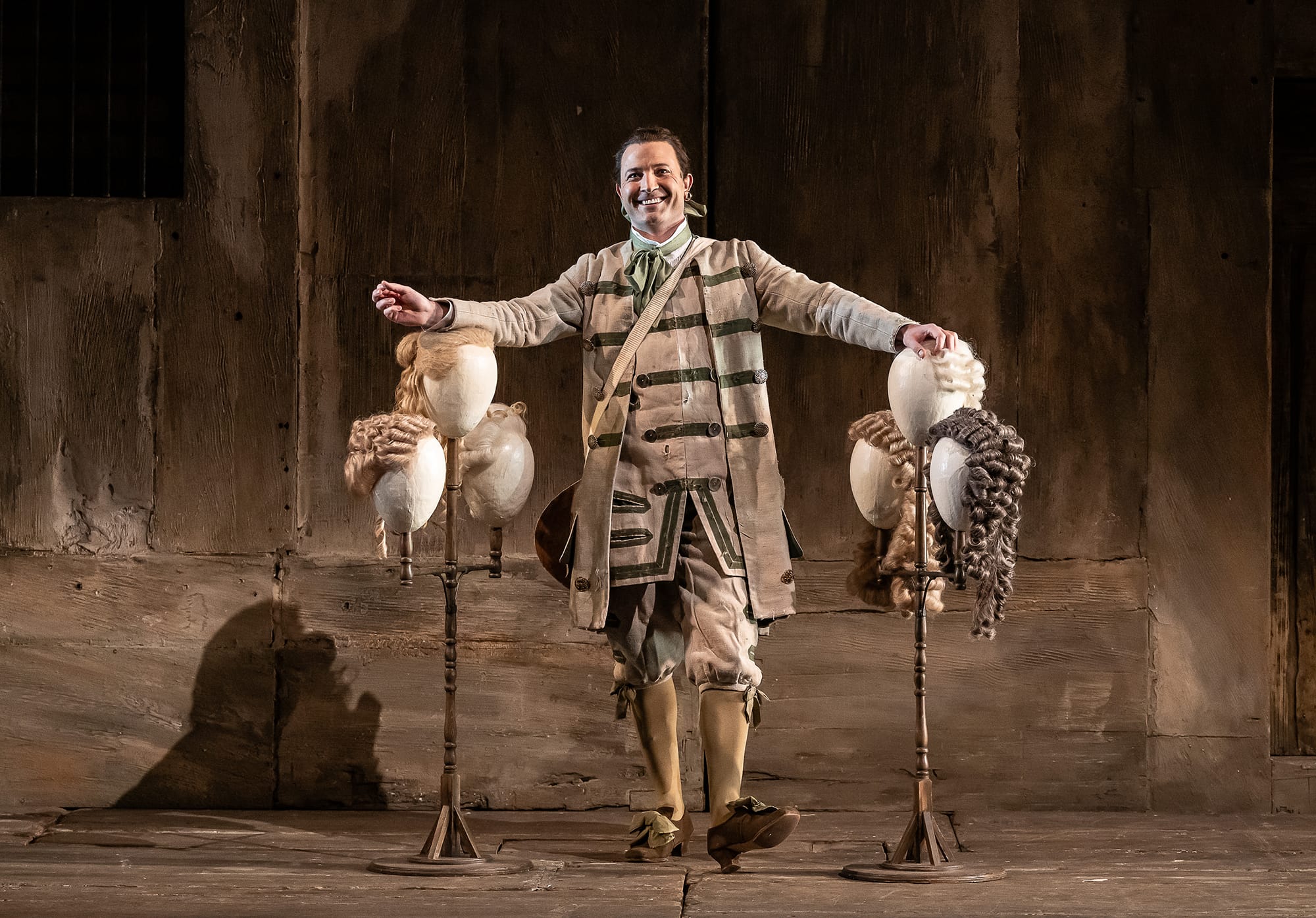
Examples of Opera Buffa

An Introduction to The Barber of Seville
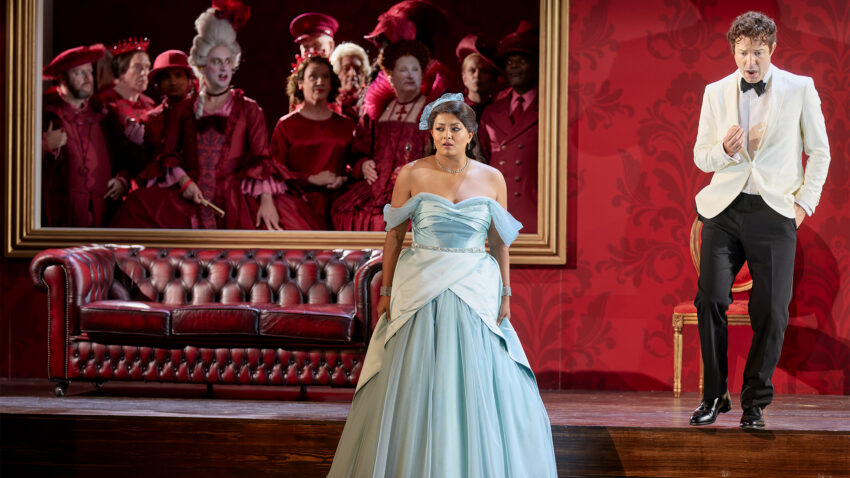
An Introduction to Cinderella (La Cenerentola)

Gioachino Rossini
Opera Verismo
They say write about what you know, so what better than an opera that depicts real life on stage.
Our next genre, Opera Verismo, does exactly that, gaining its name from the Italian word for realism.
Italian composers led the charge of this movement, including Giacomo Puccini whose beloved opera Tosca, is one of the most popular works of Opera Verismo.
By depicting the gruesome realities of what it meant to live in Rome at the time of Napoleon’s invasion, Tosca is one of the few examples of a historical production in this genre.
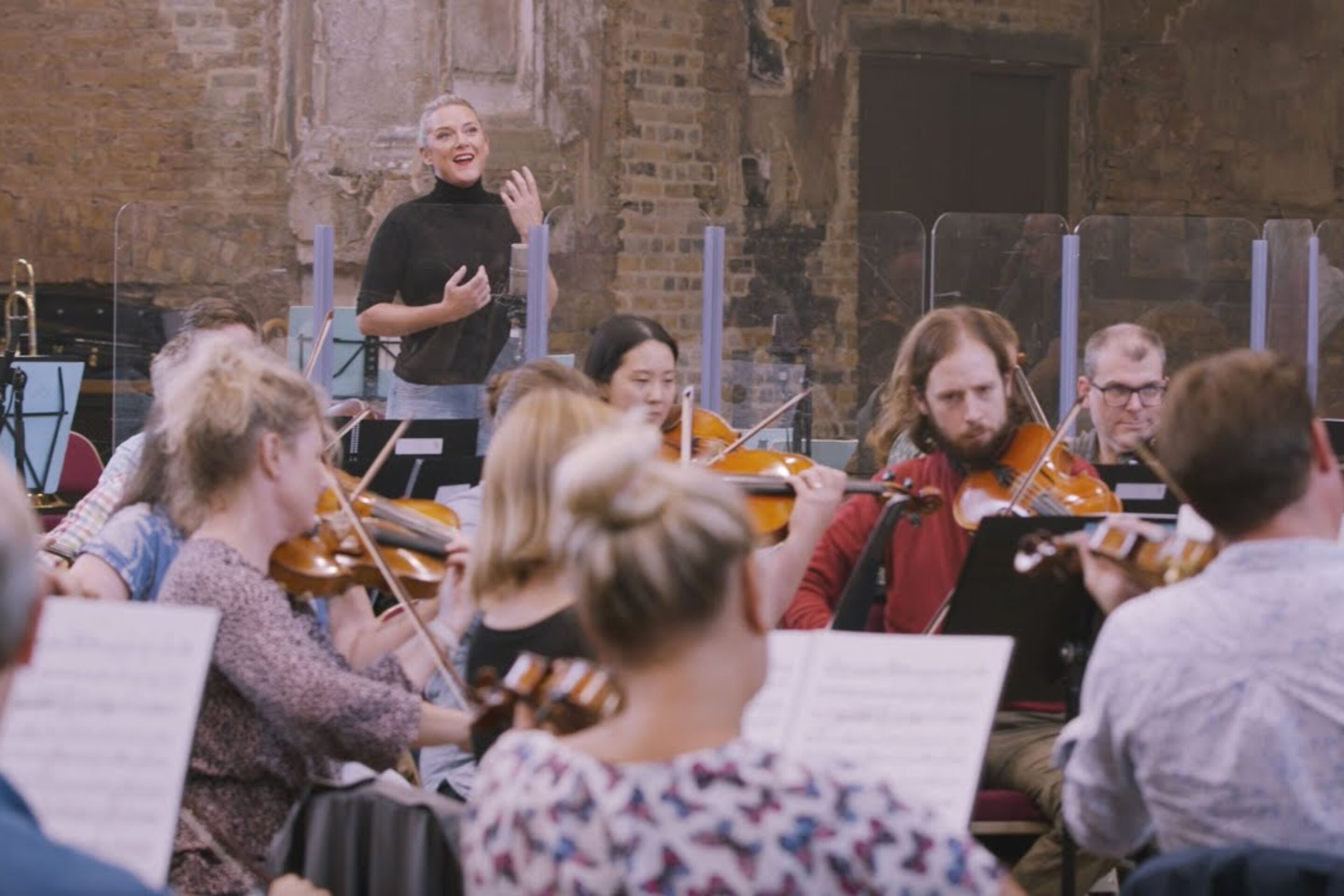
See Tosca with ENO


Giacomo Puccini

Attending opera for the first time?
Operetta
If you’re new to opera, but love musicals, then an Operetta could be the perfect genre for you.
Operetta contains both speech and songs, making it a happy medium between the two and a great entry point into opera music.
Jacques Offenbach was the founding father of this movement, with spectacular operas like Orpheus in the Underworld, paving the way for other great composers to thrive in this genre.
Gilbert & Sullivan operettas are particularly popular among audiences, with works like HMS Pinafore, The Mikado and Pirates of Penzance still being a favourite with opera goers today.

See Gilbert & Sullivan with ENO

Trial by Jury & The Zoo

Discover the Best Gilbert & Sullivan Songs

The Beginner's Guide to Operetta
Opera Genres FAQ
Opera (the Italian word for ‘ work’) is an art form that tells a story through music and singing.
There are many different types or genres within opera.
There are Opera Seria which are typically historical or heroic productions; Opera Buffa are comic or funny operas; Opera Verismo are productions are those focussed on everyday people; and Operettas are productions that contain both speech and songs.
There are many different types or genres within opera. If you’re new to opera, then think about the different genres that you like. Just as films can be comedy, drama or fantasy, opera has the same.
If you like comedy, start with an Opera Buffa like Mozart’s The Marriage of Figaro or Rossini’s The Barber of Seville.
If you like romance, start with Opera Verismo like Puccini’s La bohème or Tosca. Other operas full of romance are Bizet’s Carmen and Verdi’s La traviata
If you like fantasy, start with Mozart’s The Magic Flute or Wagner’s The Ring Cycle
If you like musicals, start with Operettas from Gilbert & Sullivan such as HMS Pinafore or The Pirates of Penzance
Read more about Opera

The Beginner's Guide to Opera
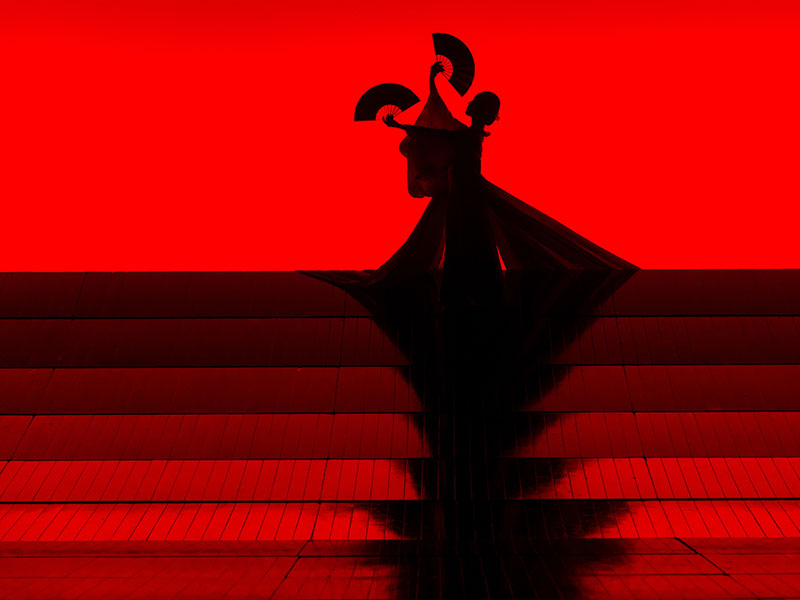
Beginner’s Guide to the Best and Most Famous Operas of All Time
