Puccini at a glance
- Full name: Giacomo Antonio Domenico Michele Secondo Maria Puccini
- Born: 22 December 1858
- Died: 29 November 1924
- Nationality: Italian
- Known for: La bohème, Tosca and Madama Butterfly
- Number of operas: 12
- Last opera: Turandot
- Best-known aria: ‘Nessun dorma’ from Turandot
The life of Giacomo Puccini
Here’s a quick guide to Puccini’s upbringing, musical training, career and legacy. Born into a long line of musicians, he would become a leading light of Italian opera and was eventually recognised as one of the art form’s greatest ever composers.
Early life and education
One of eight children, Giacomo Puccini was born in Lucca, Italy, in 1858. His great-great-grandfather was the maestro di cappella (music director) of Lucca’s cathedral. This was the start of a musical dynasty that saw four generations of the Puccini family serve as cathedral musicians and composers in Lucca.
However, Giacomo was only five years old when his father died – too young to inherit the job.
His musical career began when he joined the boys’ choir at the cathedral. Next, he studied at the Pacini School of Music under Carlo Angeloni after initially learning music from his uncle, Fortunato Magi. Puccini graduated in 1880, and, in keeping with his family’s history of writing music for the church, immediately composed a Mass (Messa di Gloria).
He went on to study composition at the Milan Conservatory, where his graduation piece was performed at the annual student concert and praised by a Milanese journalist. ‘In his Capriccio sinfonico there is a good deal that more experienced composers… have not succeeded in doing…’
Still in his mid-20s, Puccini had established his reputation as a composer on the rise.
Career highlights
Puccini wrote his first opera, Le villi (The Fairies), after graduating. His friends put it on in Milan, where it convinced a music publisher, Giulio Ricordi, that the composer was one to watch. He commissioned Puccini to write a second opera, Edgar – and while this work was unsuccessful, it was the start of a lifelong partnership.
Giacomo Puccini was 34 when his third opera, Manon Lescaut, premiered in Turin. A tear-jerking tale with an irresistible heroine, told through bewitching melodies, it was his breakthrough work.
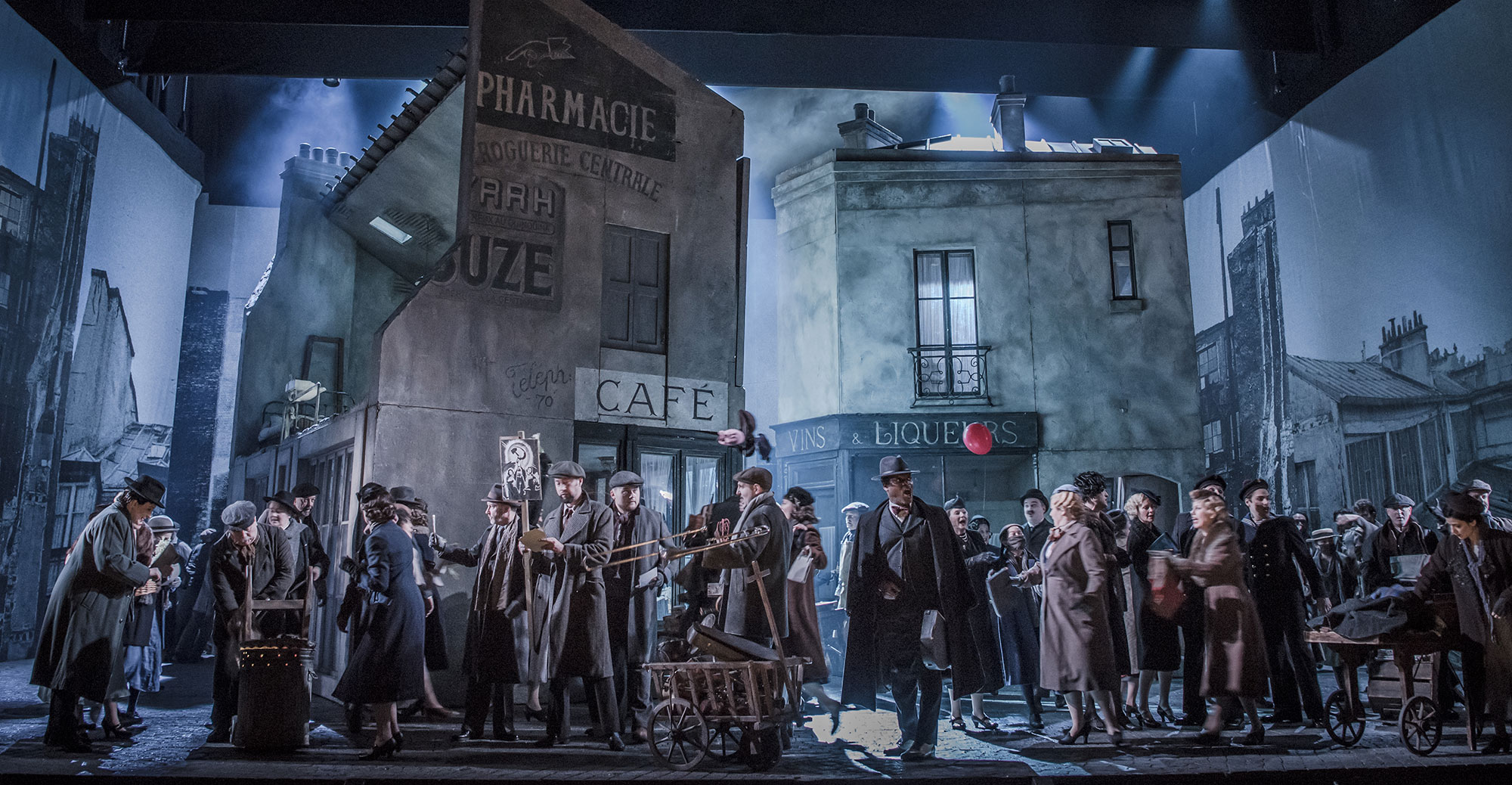
Three years later, the audiences eagerly awaiting the composer’s next opera were presented with La bohème. A tragic love story set in bohemian Paris, featuring gorgeous music and a stunningly poignant ending, it includes some of the most popular arias ever written. Within six months it was a huge hit.
Critics were uncertain about the 1900 premiere of Puccini’s next opera, Tosca – but the public absolutely loved it. A melodrama set in Rome at the turn of the previous century, it tells the story of a brave and passionate heroine struggling against an unforgettable villain, the monstrous Scarpia.
Madama Butterfly (sometimes referred to as Madame Butterfly or Madam Butterfly) is Giacomo Puccini’s third great middle-period work. It was first performed (and immediately revised) in 1904, though the version most often performed is a revision from 1907. The story of a young Japanese woman deceived by an American soldier is almost unbearably moving, and the suffering Butterfly is one of the most demanding roles in Italian opera.
Later life and legacy
Giacomo’s later years produced fewer big hits. Giulio Ricordi, his long-time publisher and supporter, died in 1912.
Between 1910 and 1918, Giacomo Puccini composed the Wild West romance La fanciulla del West, the unsuccessful comic opera La rondine and a trio of one-act operas, Il trittico (made up of a thriller, Il tabarro, a religious drama with an all-female cast, Suor Angelica, and a farce, Gianni Schicchi). Gianni Schicchi features one of the most recognisable operatic arias ever written, ‘O mio babbino caro’ (‘Oh, my dear papa’).
Puccini’s final opera, Turandot, was unfinished when the composer died in 1924, in Brussels, at the age of 65. He had throat cancer, and suffered complications after an operation to remove a tumour.
Giacomo Puccini’s son asked the composer Franco Alfano to finish Turandot’s final duet. The opera’s stunning orchestration and vivid characters are a return to form, and it features one of the most famous arias of all time: ‘Nessun dorma’.
Puccini’s musical style and influence
Giacomo Puccini’s musical style is easy to love. He’s one of the most successful opera composer of the twentieth century for a reason – audiences thrill to his soaring melodies and rich orchestration. And his showstopping music amplifies stories drenched in passion and atmosphere.
Puccini carried the baton for the great Italian composers who came before him, especially Verdi (1813 – 1901), another great dramatist whose music was hailed as ‘the voice of the Italian soul’. He was also influenced by Wagner (1813 – 1883), adopting features of the German composer’s music such as its conversational flow, emotive orchestration and, especially, its use of the leitmotif.
The leitmotif is a recurring musical idea linked to a character, place or emotion. This technique of musical associations allows Giacomo to voice a character’s unspoken thoughts or tell the audience something his characters don’t know.
Some of Puccini’s operas can be categorized as opera verismo. This term refers to a nineteenth-century movement of operas rooted in recognisable people, settings and emotional situations rather than mythology. Puccini’s characters are often well rounded and psychologically realistic, all the better to tug at our heartstrings.
Puccini’s most famous operas
Giacomo Puccini wrote 12 operas, many of which are still regularly performed all over the world. He began in his 20s with the tragic fairy tale Le Villi (The Fairies), and ended with the tale of the proud princess Turandot, left incomplete when he died.
Tosca
Puccini’s Tosca is a rollercoaster story of love, lust, murder and political intrigue. Its most spectacular passages include Tosca’s aria ‘Vissi d’arte’ (‘I lived for art’) and her lover’s tragic moment, ‘E lucevan le stelle’ (‘And the stars were shining’).

Madama Butterfly
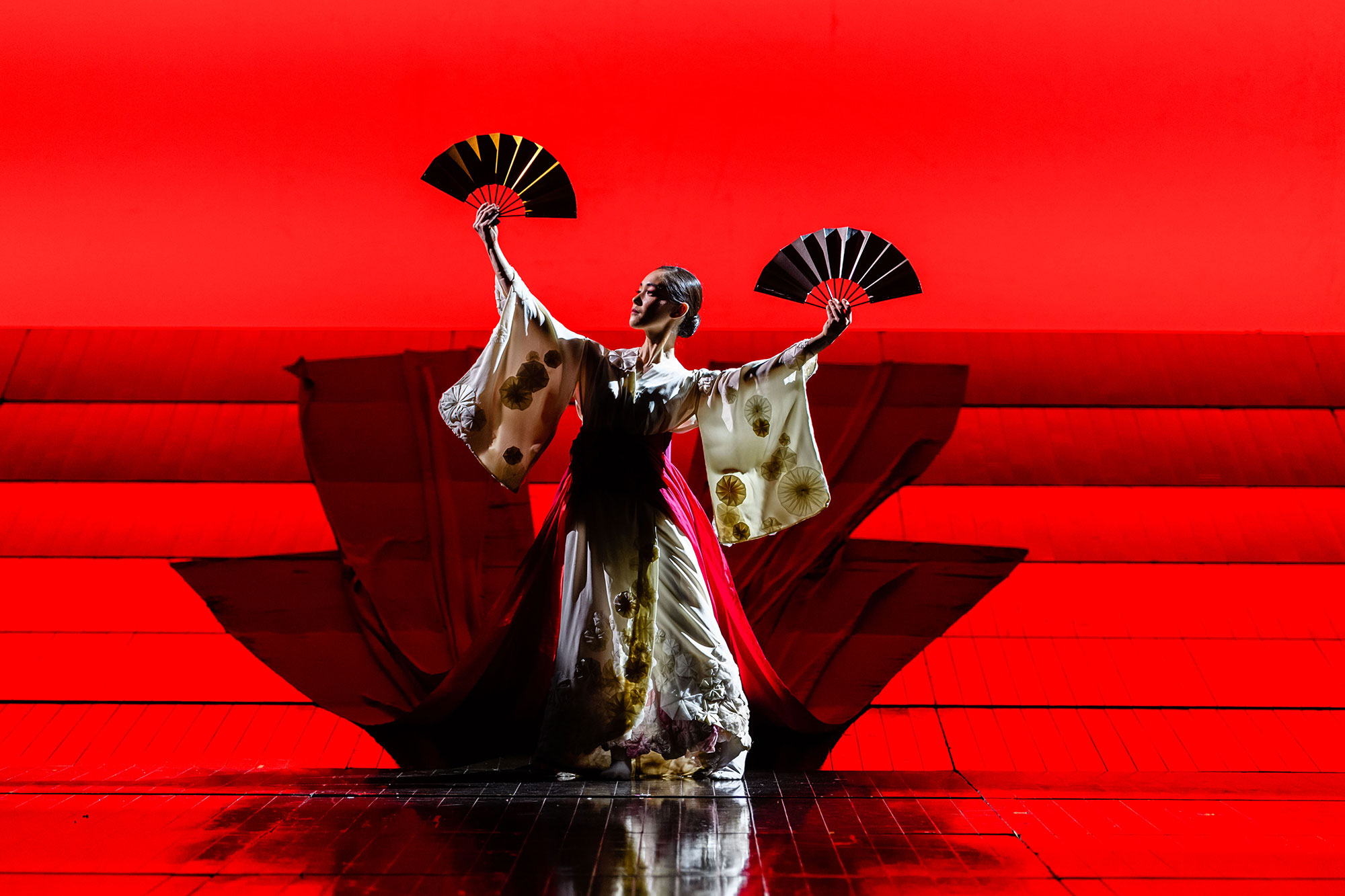
Madama Butterfly is a tragic tale of romantic suffering that has moved audiences for over a hundred years. It features the intensely poignant aria ‘Un bel dì, vedremo’ (‘One fine day’) and Puccini’s innovative Humming Chorus.
Turandot
Puccini’s magnificent final opera, Turandot, with its opulent score and ice-queen heroine, features the heroic Act III anthem ‘Nessun dorma’ (None shall sleep).

Suor Angelica
The centrepiece of Puccini’s triptych of one-act operas, Suor Angelica (Sister Angelica) is a tragedy in miniature with an all-female cast. The protagonist’s aria ‘Senza mamma’ (‘Without a mother’) is profoundly moving.

Puccini's music in action
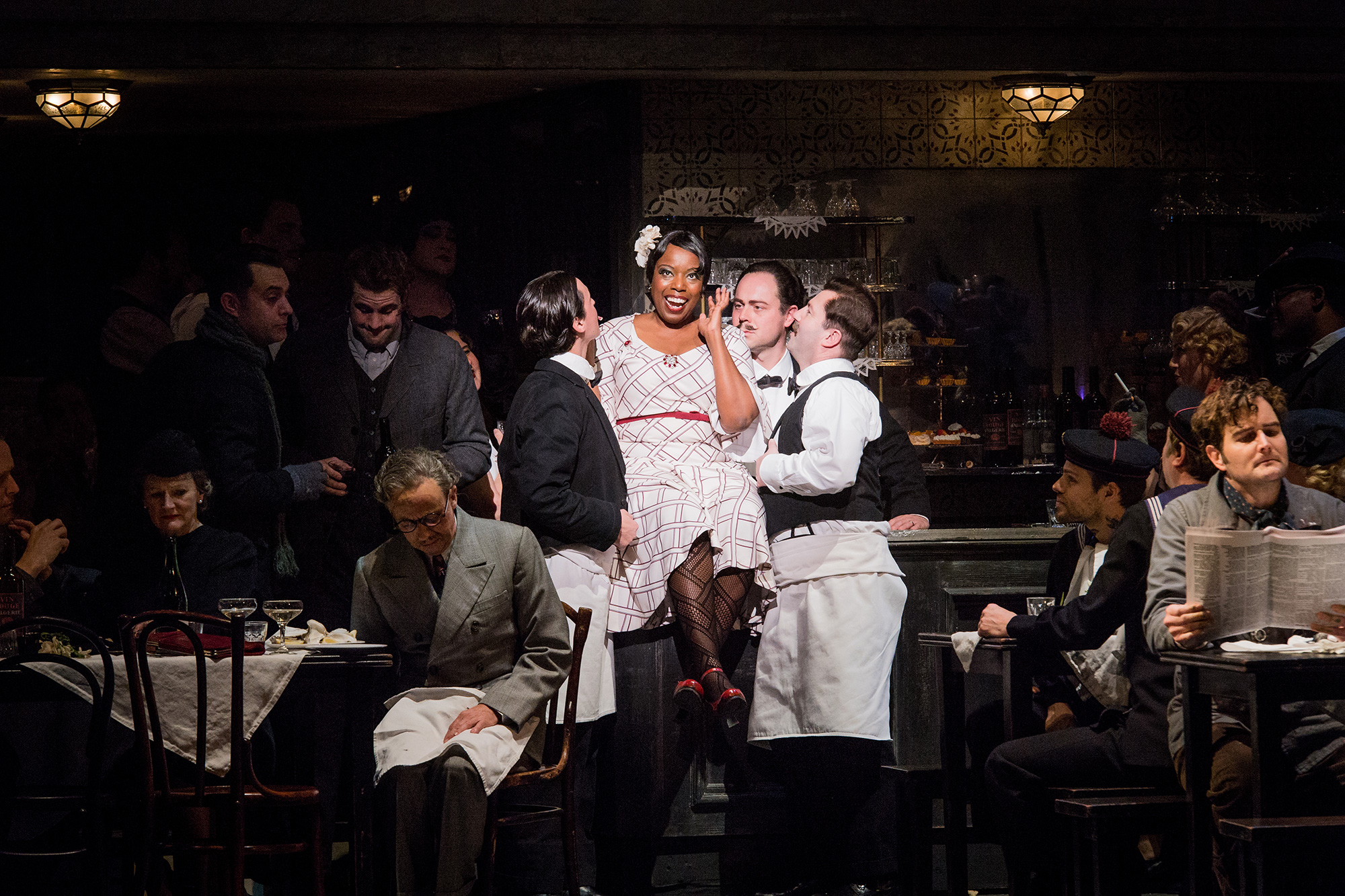
Get a taste of Puccini’s best-loved operas with magical performances from ENO. It’s the perfect introduction to a composer known for his dramatic sensibility.


Listen to our Puccini Playlist
Here’s our selection of Giacomo Puccini’s most unforgettable arias and orchestral music. If you’re new to the composer, it’s time to enter Puccini’s passionate world. And if you’re already a fan, it’s an excuse for one more listen…
Puccini Frequently Asked Questions
Giacomo Puccini is one of the greatest and most successful composers of Italian opera.
Puccini was born in 1858 in Lucca. Lucca is a city on the Serchio River in Italy’s Tuscany region.
Giacomo Puccini is pronounced ‘ja·kuh·mow puh·chee·nee’.
Yes, Puccini is Italian though his operas are set in many different countries, including France (La bohème), Japan (Madama Butterfly) and China (Turandot).
Giacomo Puccini was married to Elvira Bonturi (later Elvira Gemignani: she was already married to Narciso Gemignani when she met the composer).
There is no evidence that Verdi and Puccini ever met. However, it’s clear that Giacomo Puccini was influenced by the elder composer. In his letters, Verdi acknowledged Puccini’s growing fame and recognised his flair for melody.
Puccini suffered a heart attack due to complications from surgery for throat cancer. He died in Brussels on 29 November 1924.
Puccini was aged 65 at the time of his death.
See Puccini's Tosca live this season
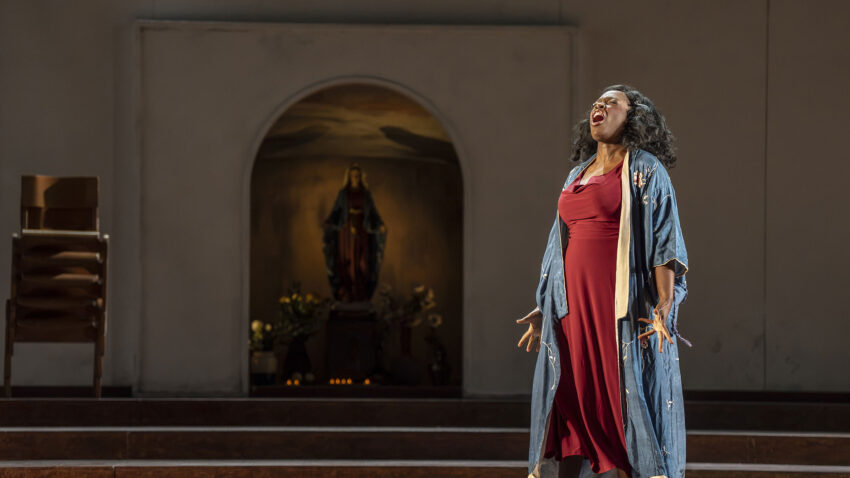
Tosca
An Introduction to Tosca
Related content

The Beginner’s Guide to Puccini
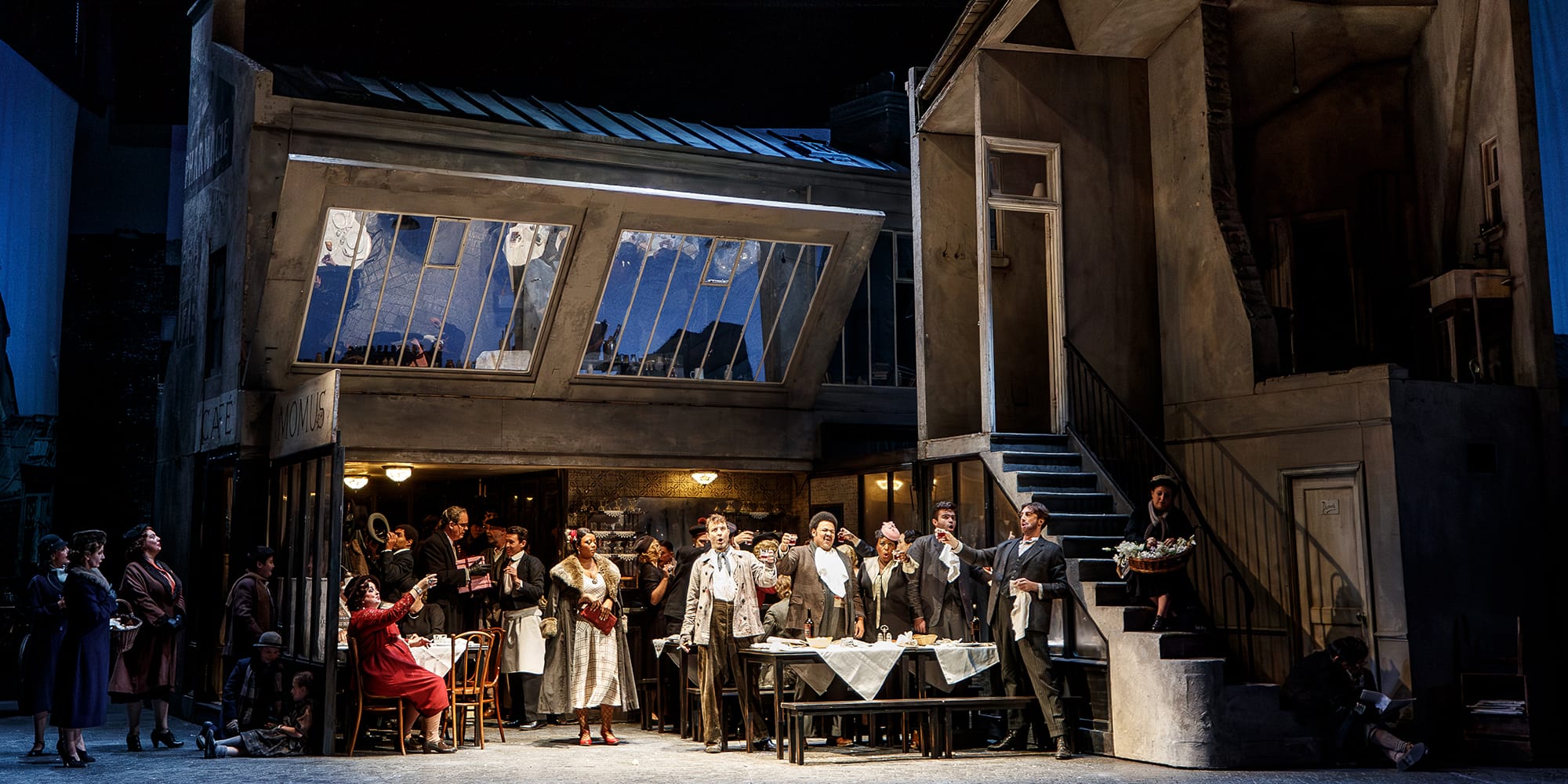
Puccini’s Greatest Arias