Don Giovanni
The challenge for anyone directing Don Giovanni is to navigate the territory between the comedy that undoubtedly exists – Mozart called it a ‘dramma giocoso’ (humorous drama) – and the depiction of an unrepentant murderer who is dragged down to hell.
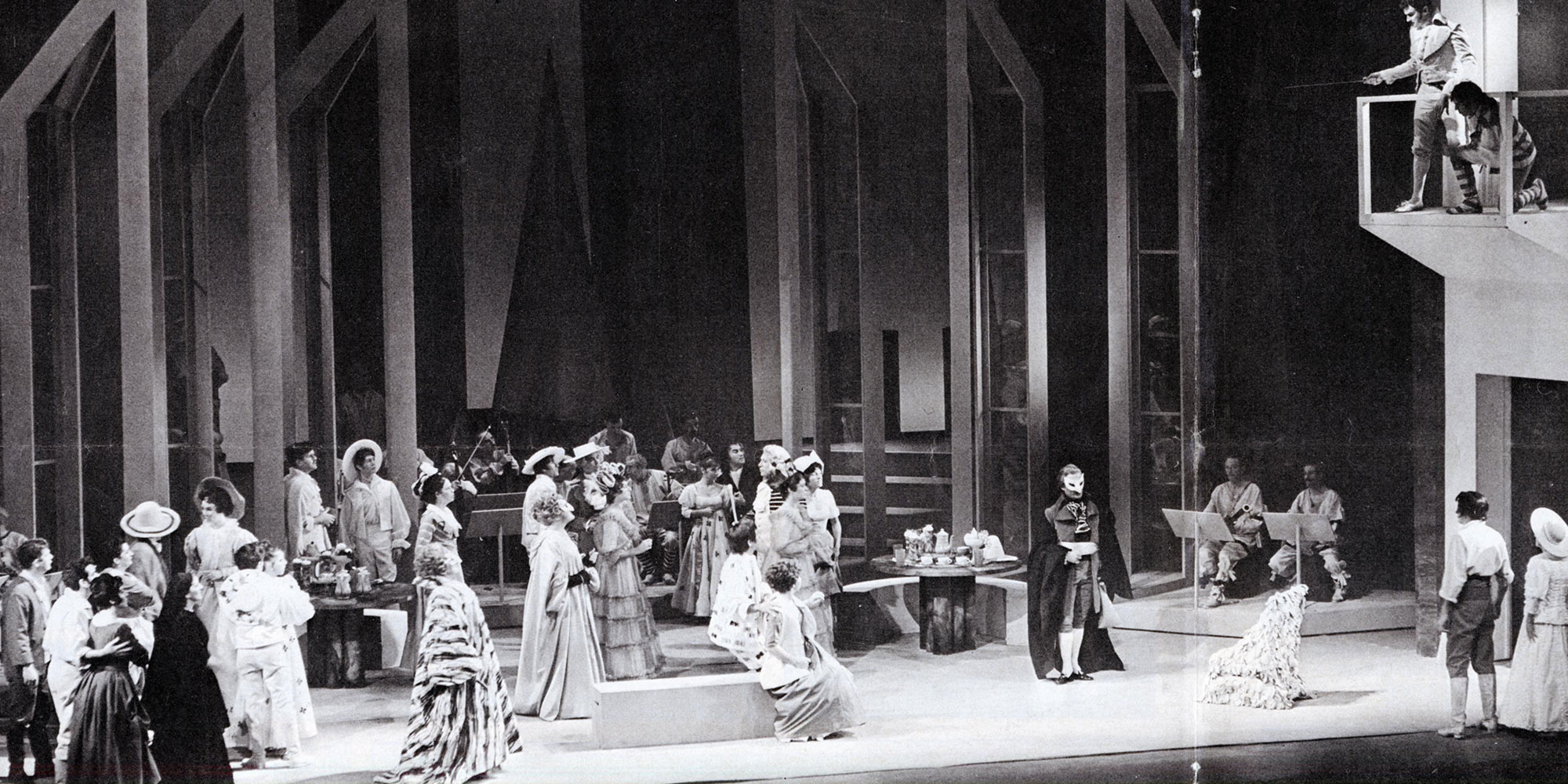
ENO’s first season at the London Coliseum, in 1968, opened with a new production of Don Giovanni directed by Sir John Gielgud and designed by Derek Jarman. Gielgud did not enjoy his time on the show – his response to hearing the orchestra for the first time was to shout ‘Stop, stop, stop that terrible noise!’ He never directed opera again.
Sir Jonathan Miller brought a traditional attitude to his 1985 production, relying on the mores of the period when the opera was written to justify the Don’s evasion of earthly justice.
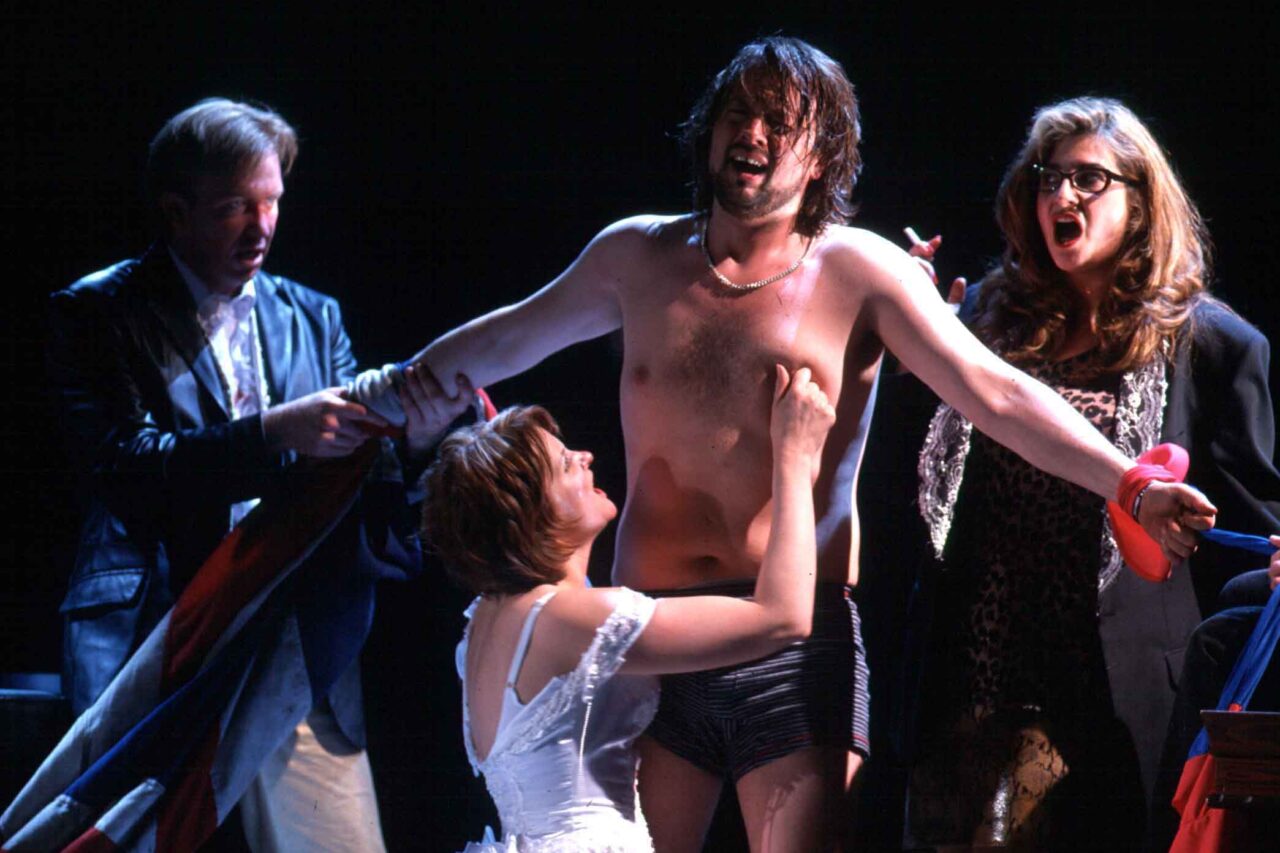
In 2001, Calixto Bieito brought his customary intensity to a contemporary production where everyone seemed to be high on sex and drugs. The use of film in the production suggested an element of voyeurism that made the audience complicit in the debauchery.
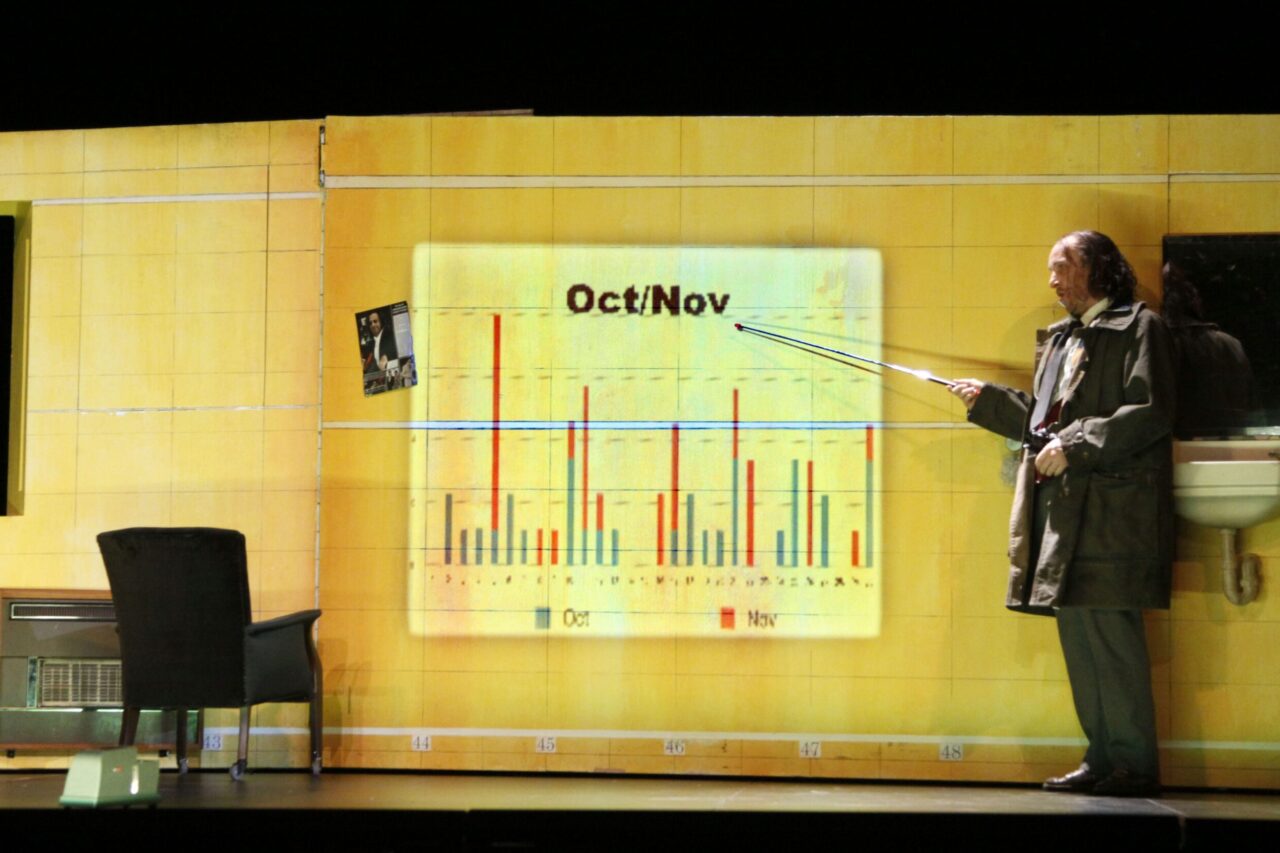
In 2010, Rufus Norris focused on the idea that Don Giovanni’s actions electrified anyone he met, generating excitement in their lives. In Leporello’s Catalogue Aria, his master’s exploits were updated to a PowerPoint presentation, where laughter gradually turned to unease as the pictures became less and less palatable
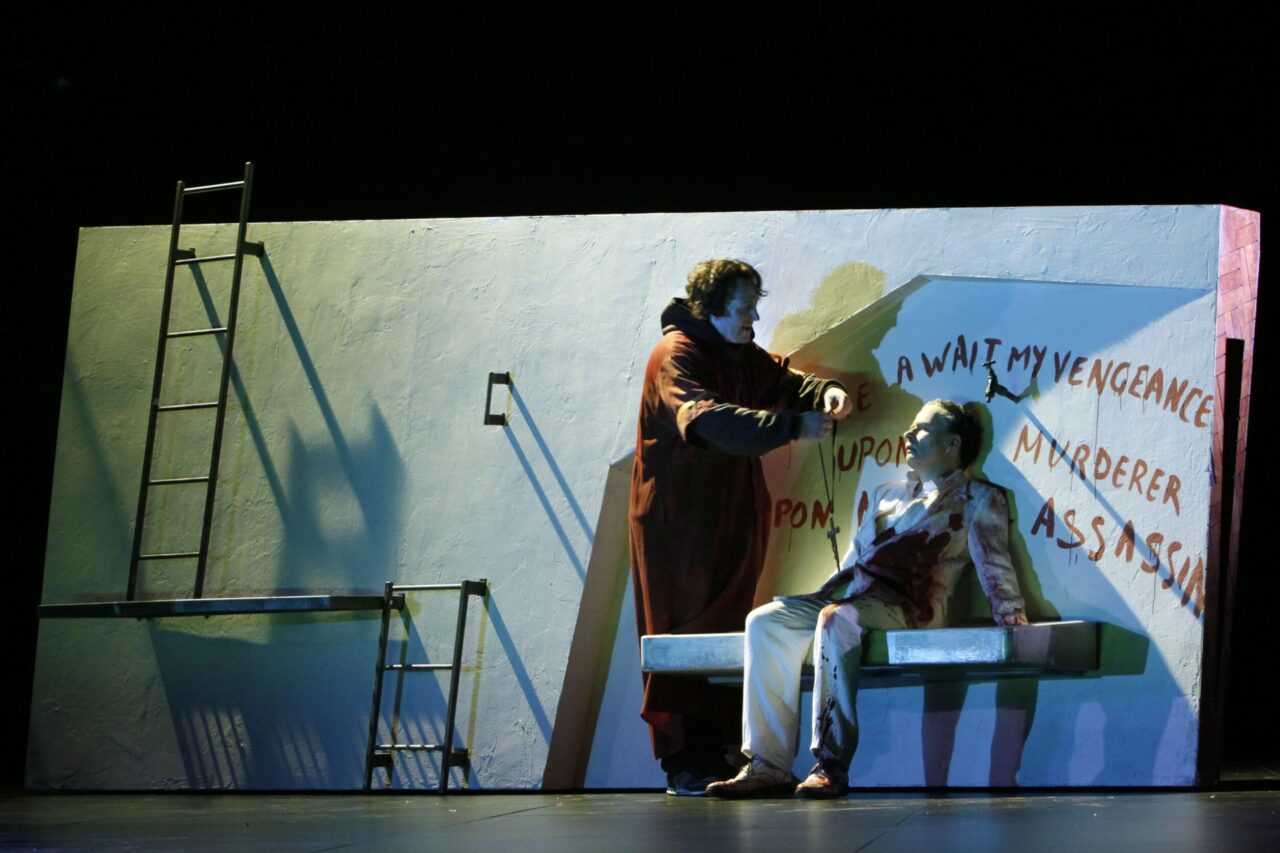
In 2016, Richard Jones highlighted Don Giovanni’s amorality, implying that his sexual attraction had more to do with the pheromones he emitted than any physical or intellectual attributes he might possess.
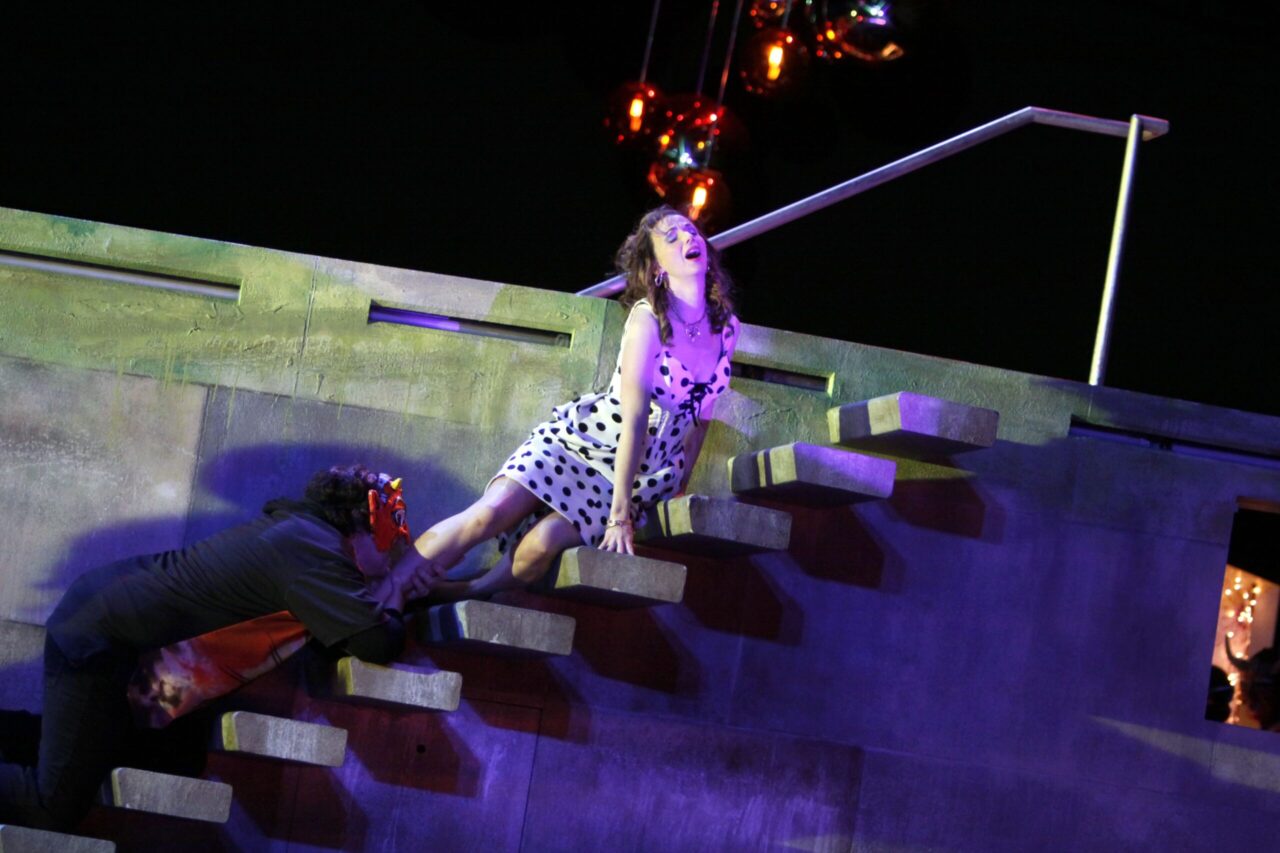
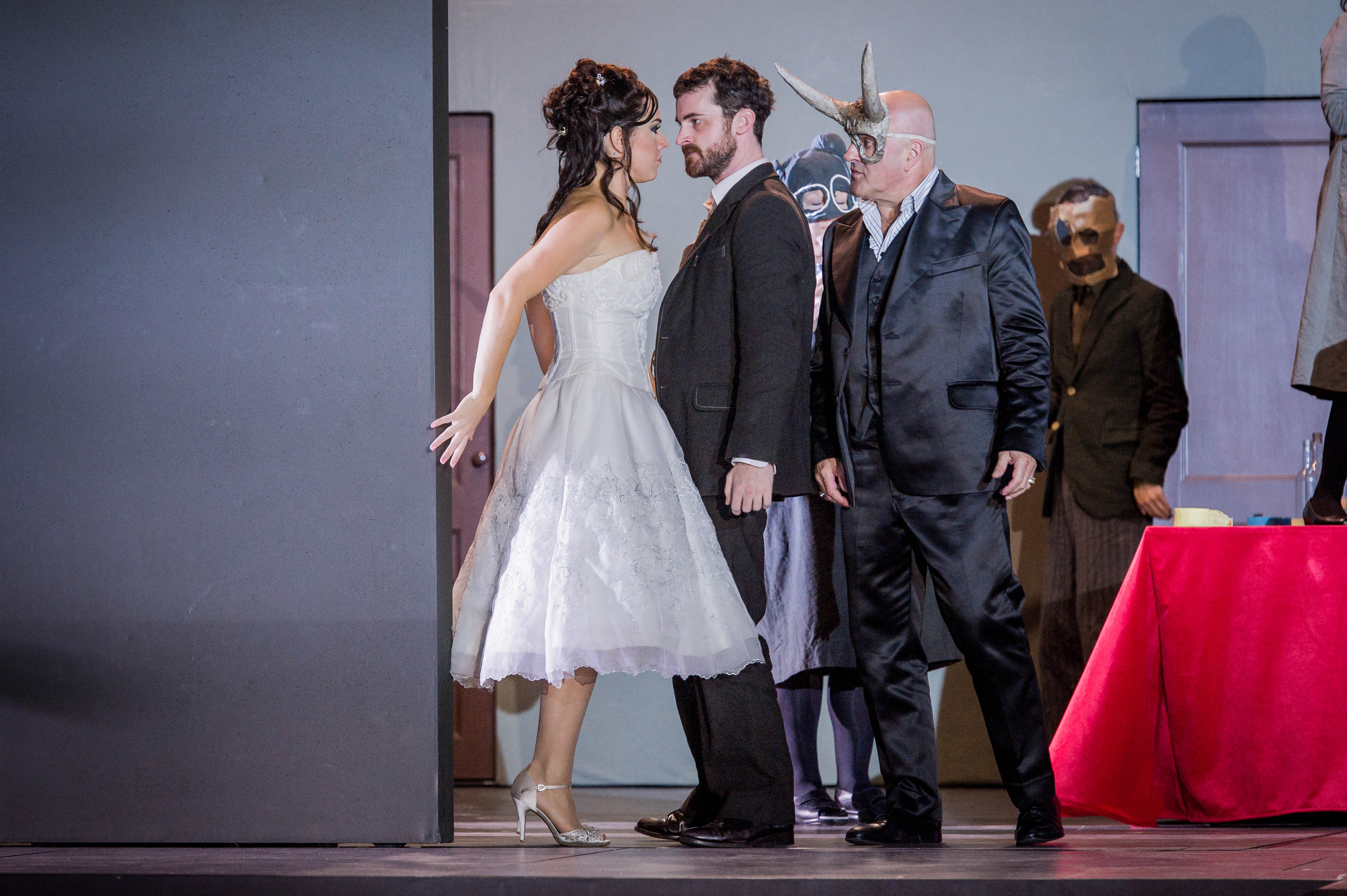
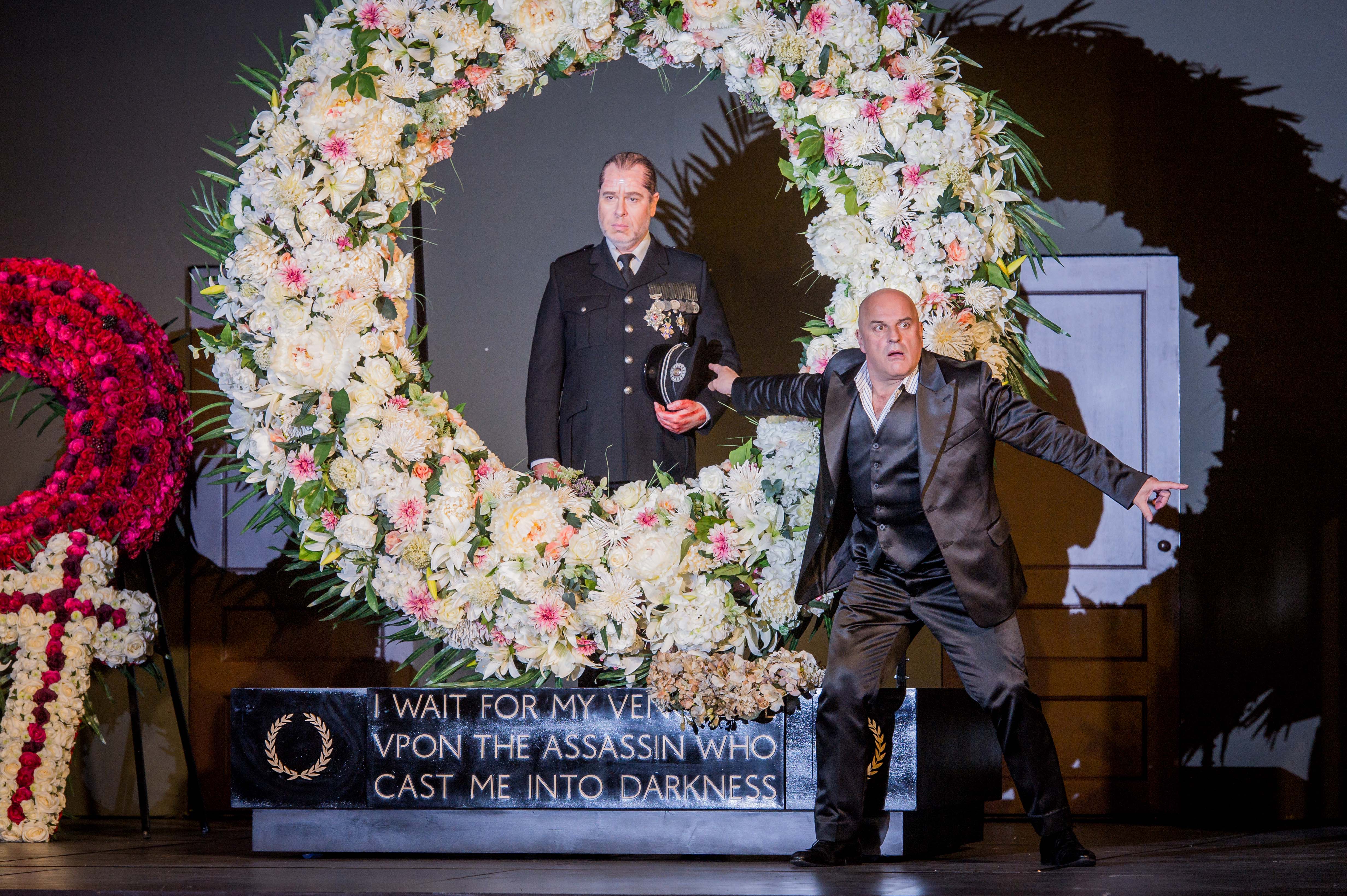
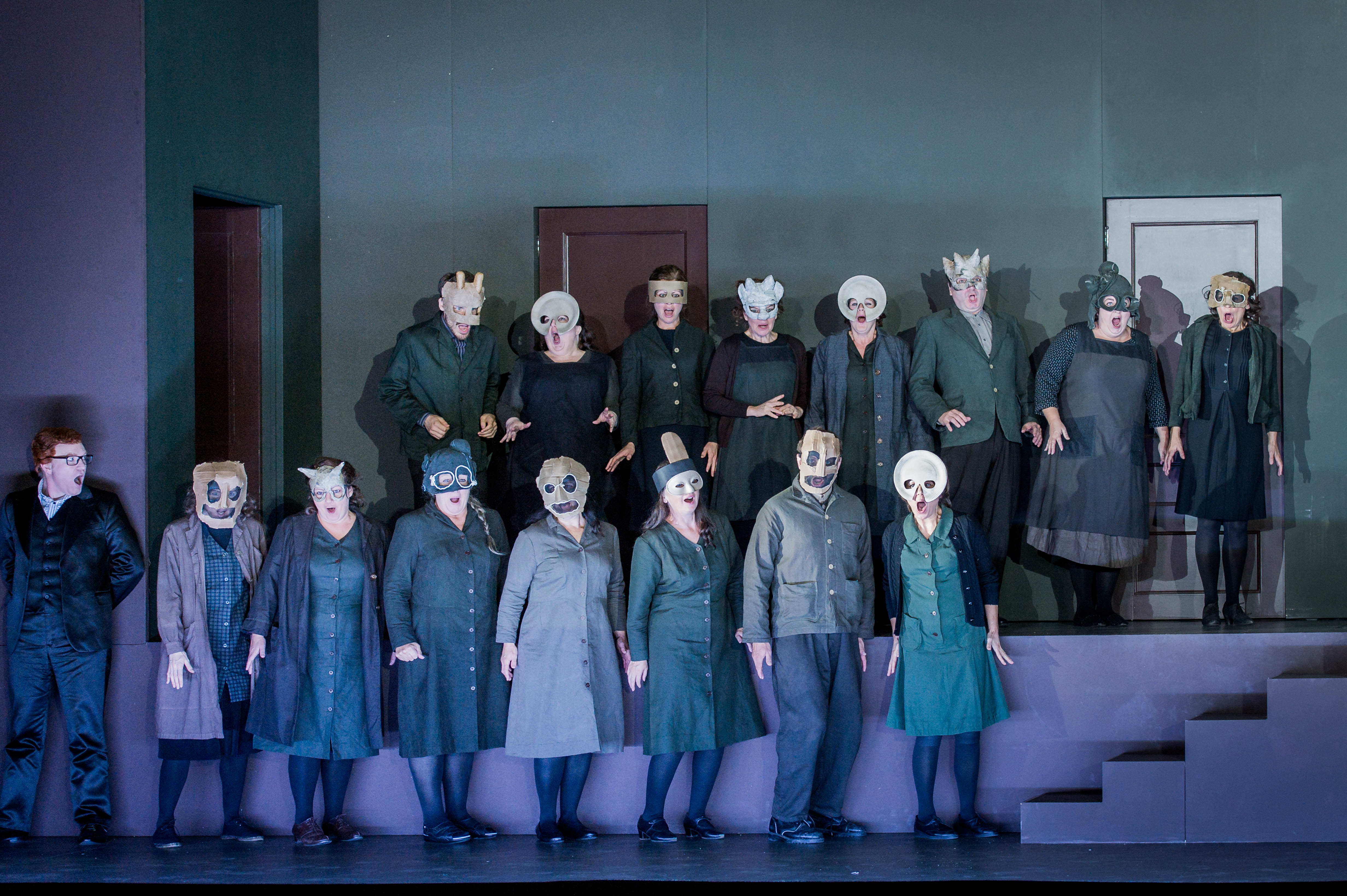
Don Giovanni at ENO
Look through our gallery of images from productions of Mozart's Don Giovanni
More about Mozart

Wolfgang Amadeus Mozart
Mozart's Most Famous Music: Where to Start
Mozart's Women: A Musical Journey
The Marriage of Figaro
In 1978, Sir Jonathan Miller directed a new production of The Marriage of Figaro for ENO.
In 1991, came Graham Vick’s production, which was renamed Figaro’s Wedding, provoking much discussion at the time.
The change of title, proposed by the translator Jeremy Sams, was to clarify that the story referred to the day of Figaro’s wedding, rather than to his and Susanna’s married life. This production also had an unusual take on Act 4, which is set at night. The stage was brightly lit throughout the act, with the performers behaving as if it were dark.
The inherent class struggle, which had caused problems for Mozart when he composed the piece, was highlighted by Fiona Shaw in her 2011 production. The design used a revolve, which meant servants would invariably be able to overhear their masters, even in their most intimate moments.

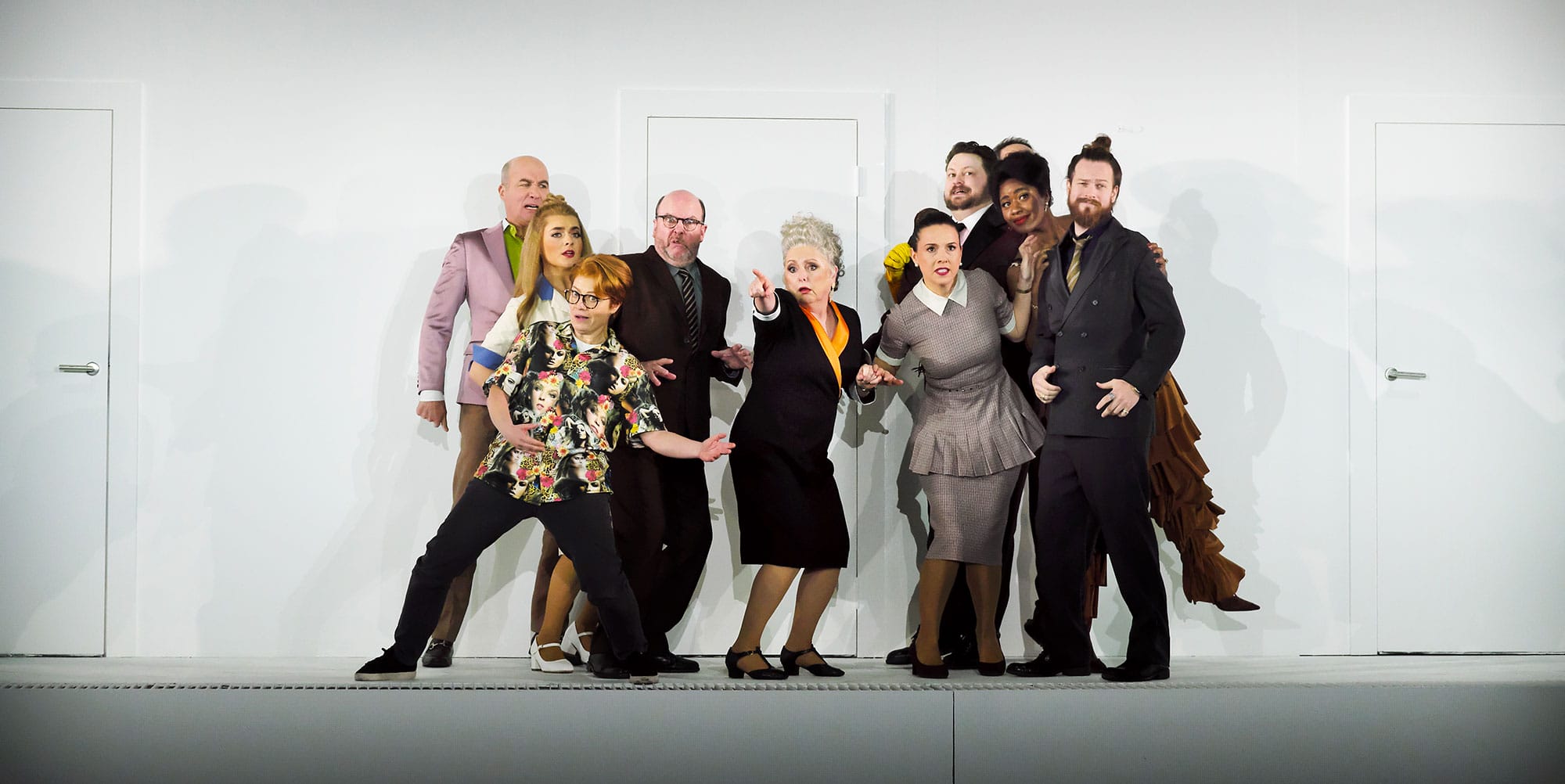
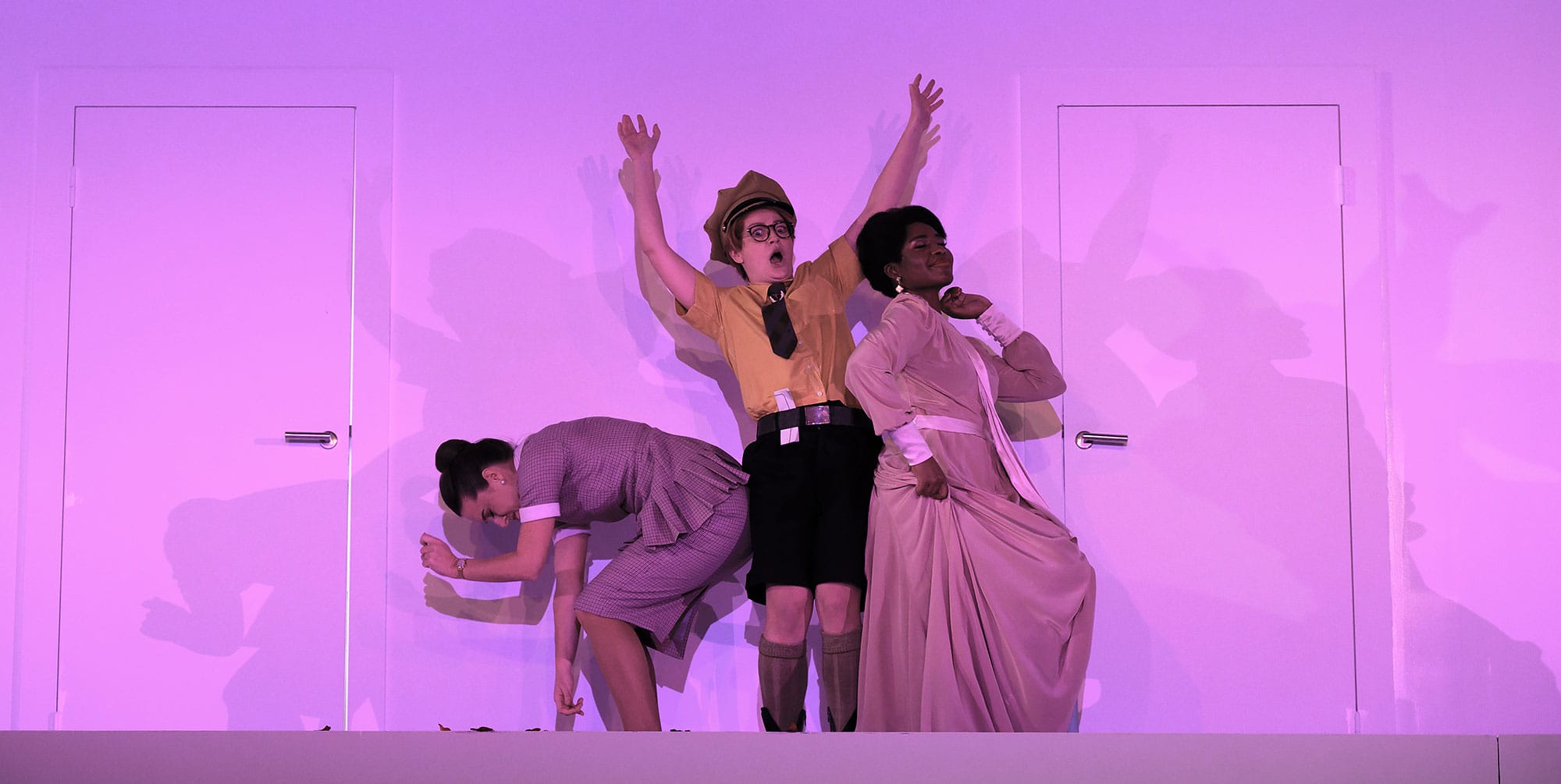
Also demonstrating that the piece is about people eavesdropping, Joe Hill-Gibbins’ 2020 production has a static set featuring doors through which people can listen, hide and, occasionally, jump.
The first night of this production has the dubious honour of being the last performance ENO gave before the Covid pandemic of 2020 closed theatres throughout the country for several months.
It was revived to great success in 2025.
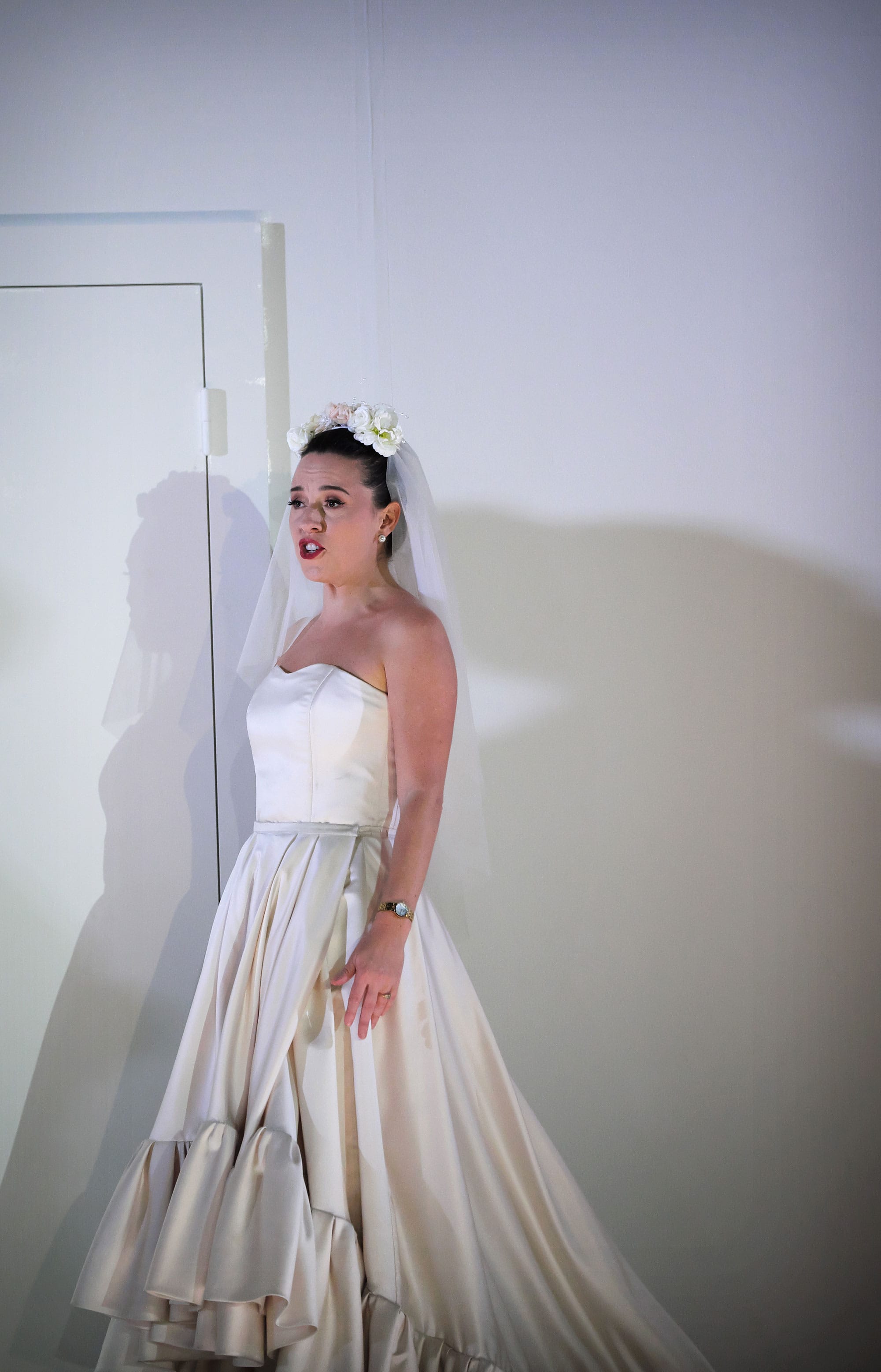
The Marriage of Figaro at ENO
Look through our gallery of images from productions of Mozart's The Marriage of Figaro
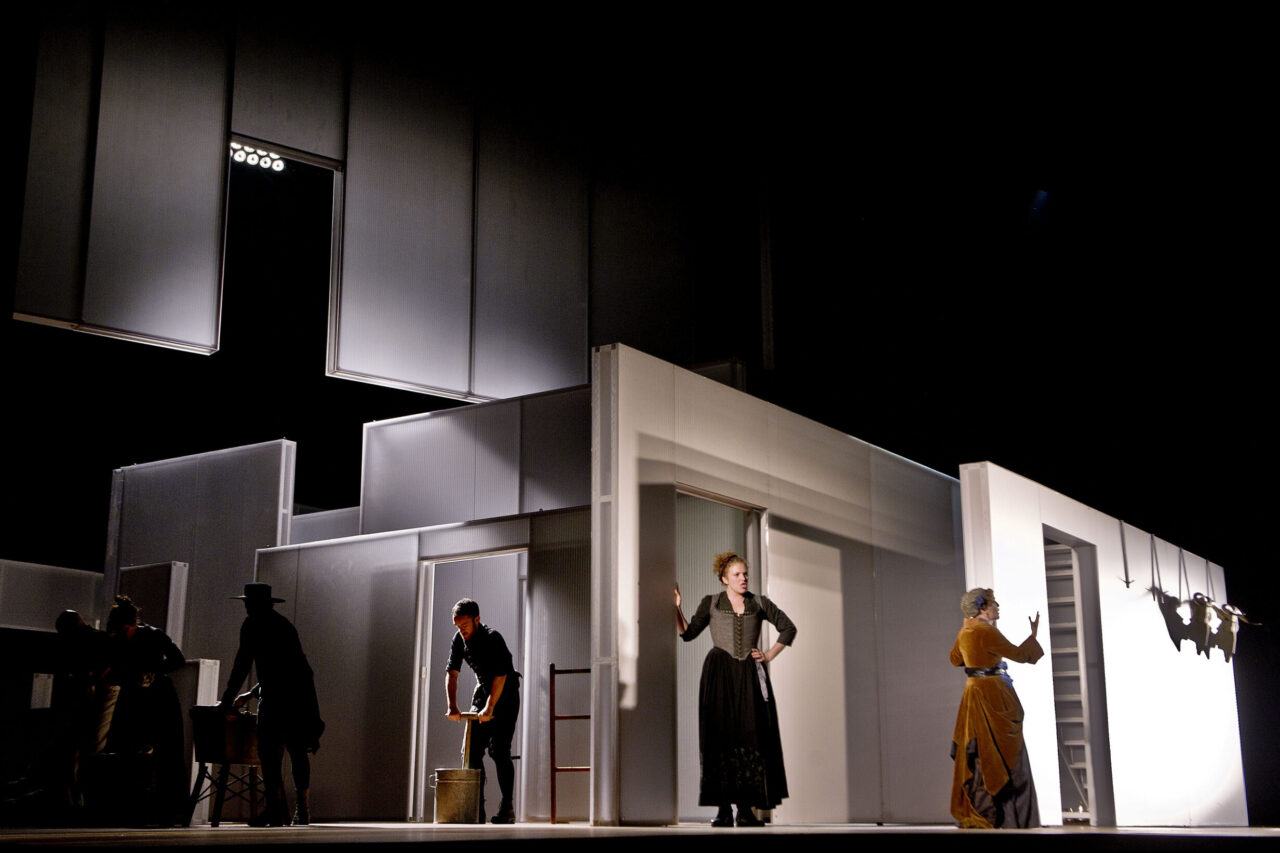
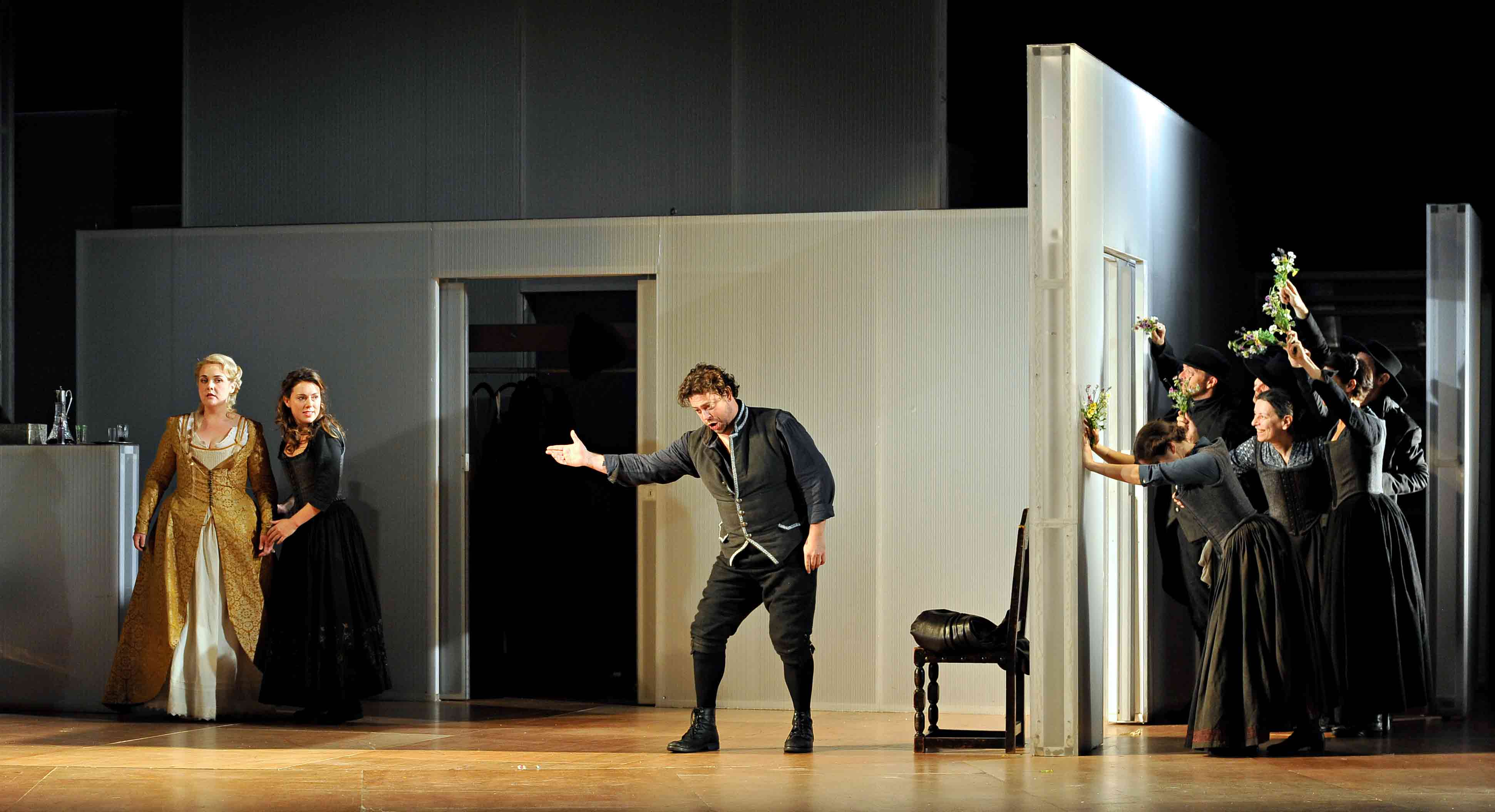
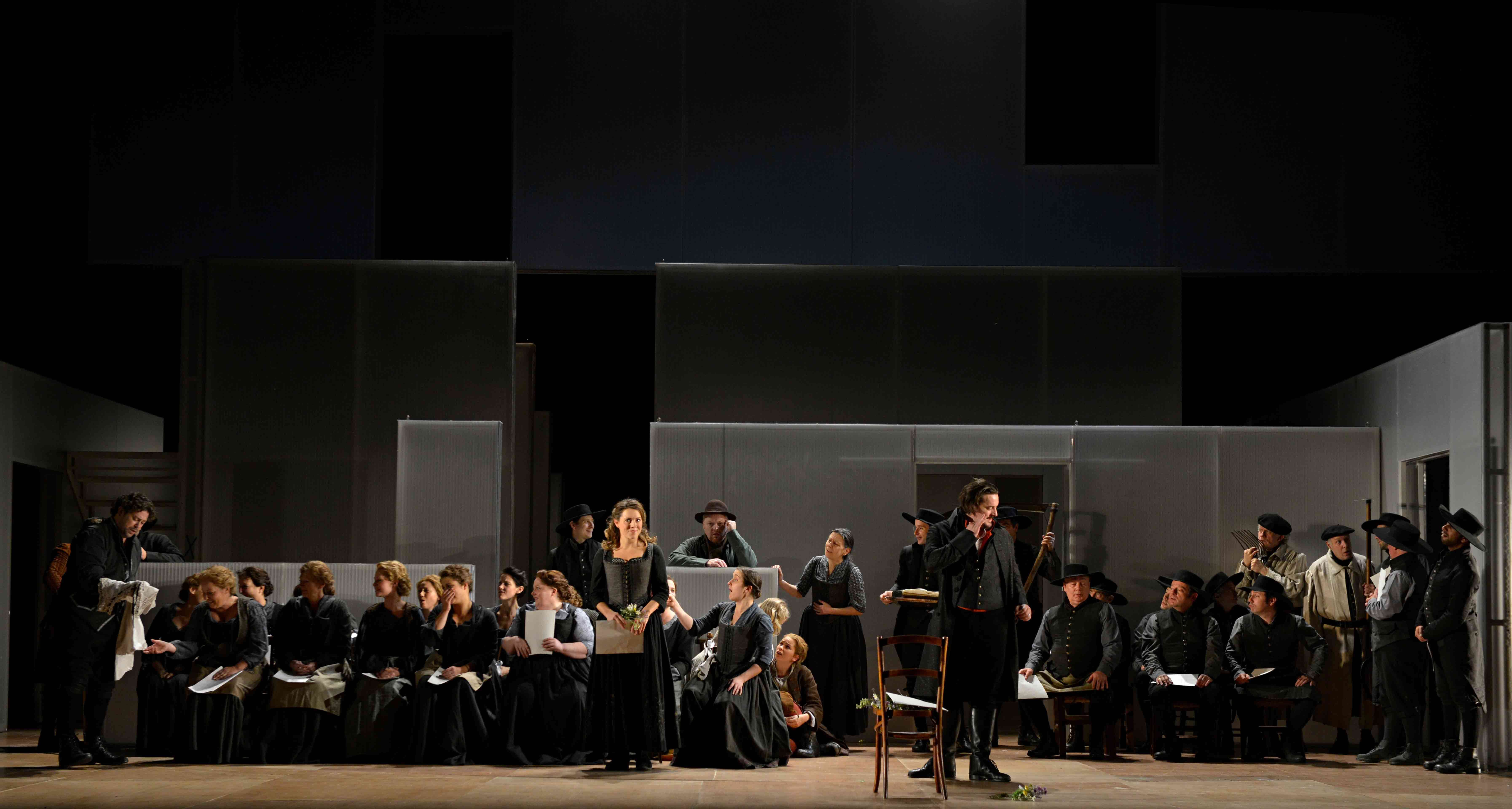
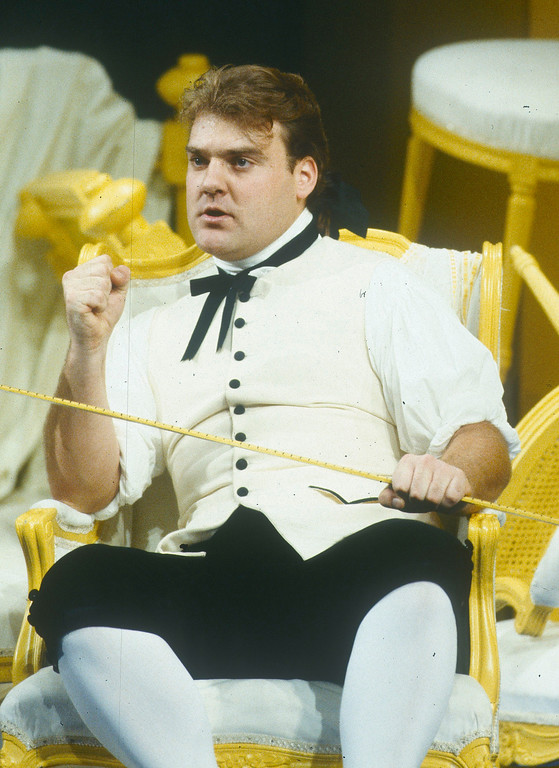
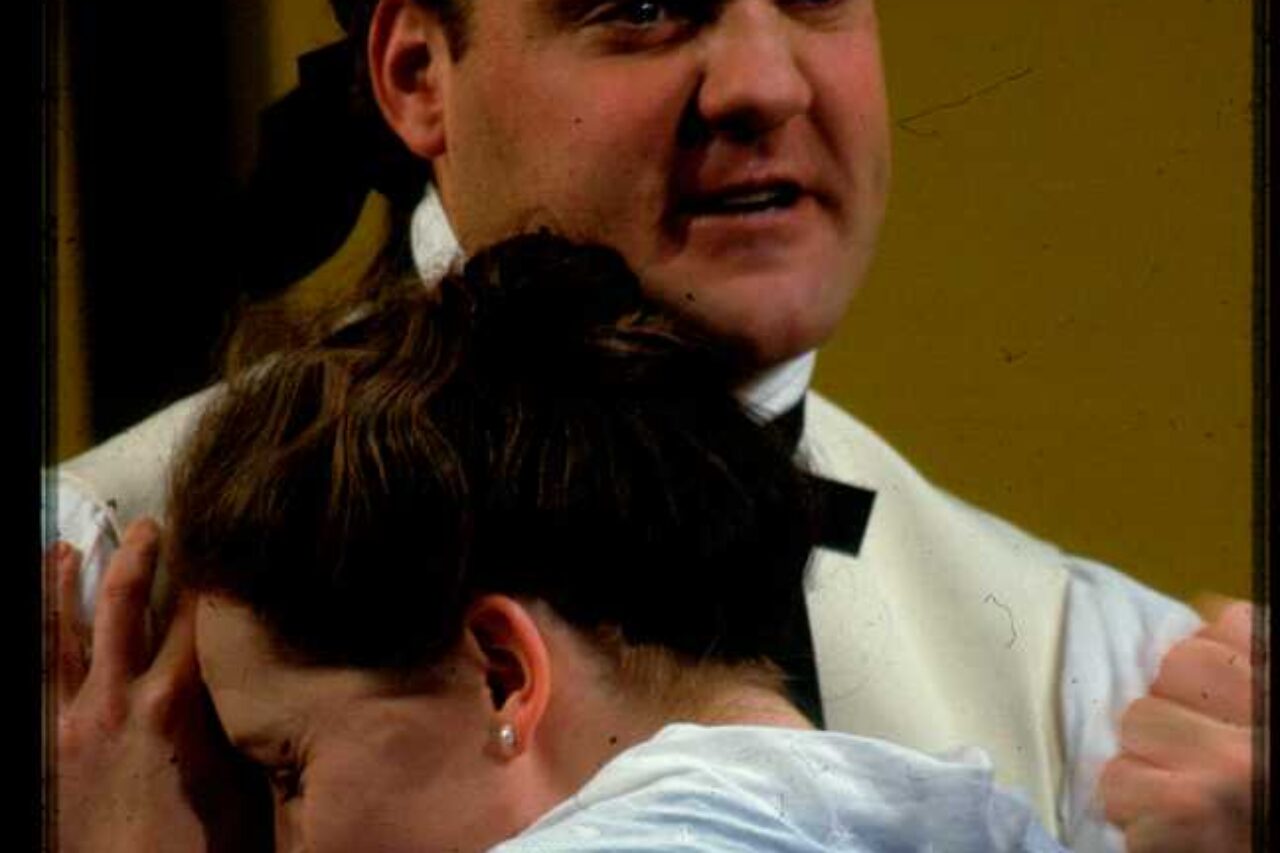

More about The Marriage of Figaro

The Marriage of Figaro
An Introduction to The Marriage of Figaro

Who’s Who, What’s What: Five Common Questions about The Marriage of Figaro Answered
Così fan tutte
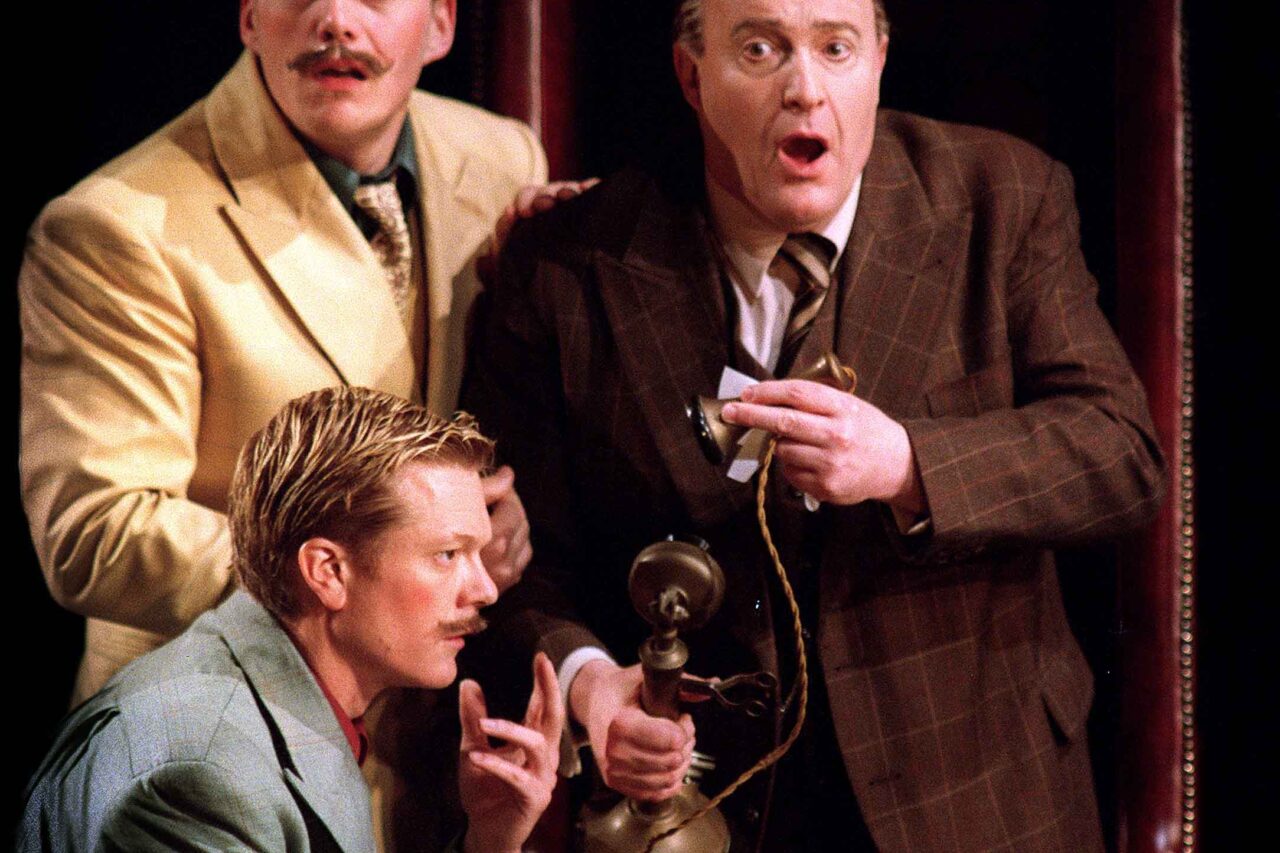
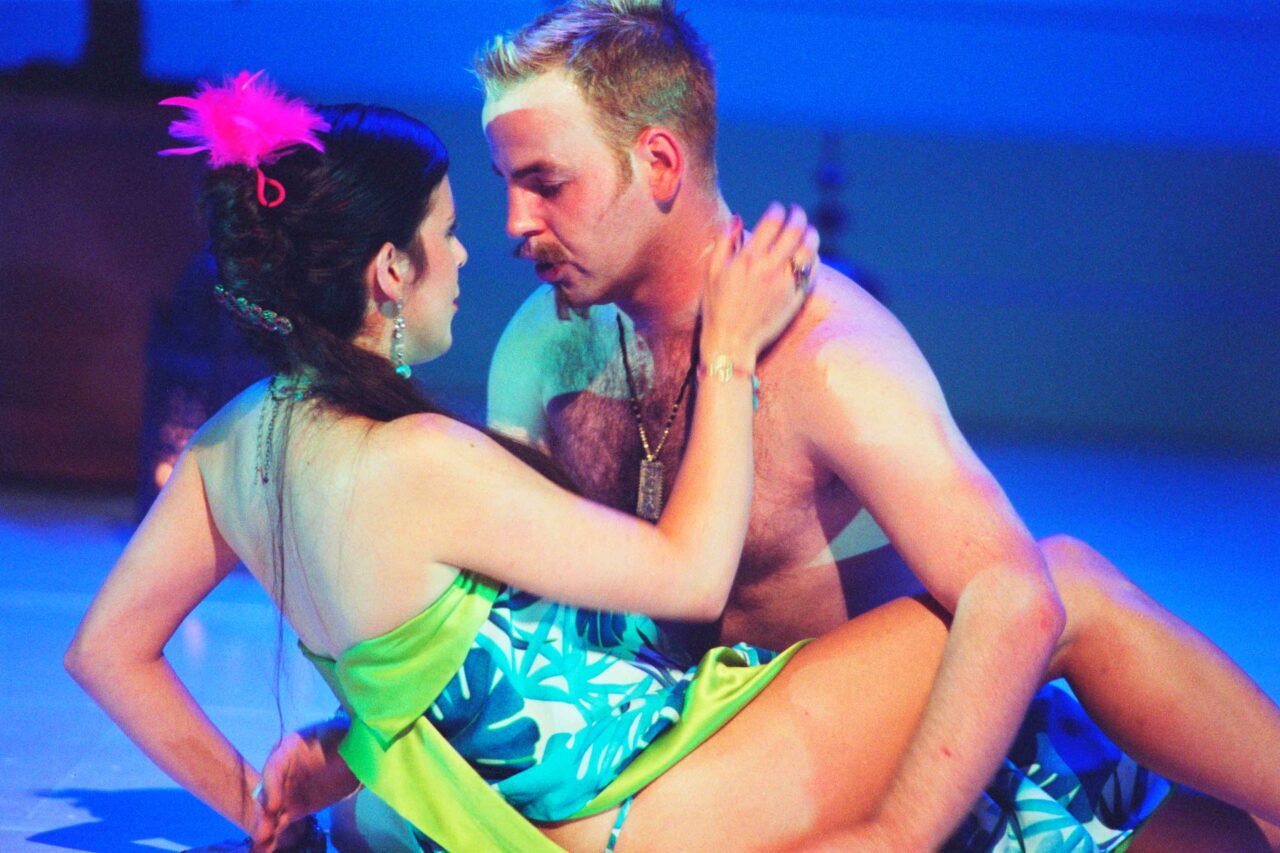
Since 1969, ENO has had more new productions of Così fan tutte than any other Mozart opera.
In 1981 there was a traditional production directed by John Cox.
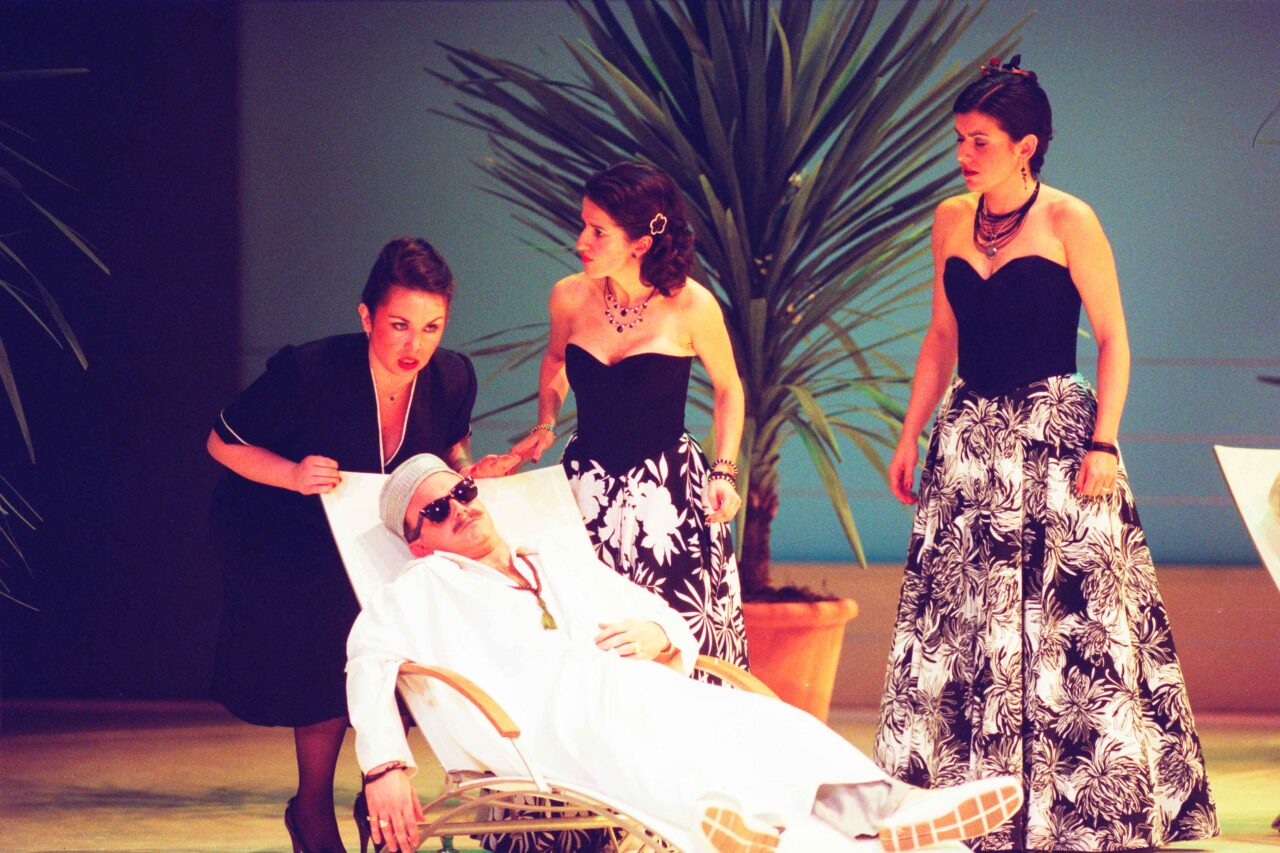
Nicolette Molnár’s more controversial production in 1994 employed a twist at the end. The sisters Fiordiligi and Dorabella seemed, for once, to gain the upper hand over their lovers Ferrando and Guglielmo through ingenious use of disguise and sleight of hand.
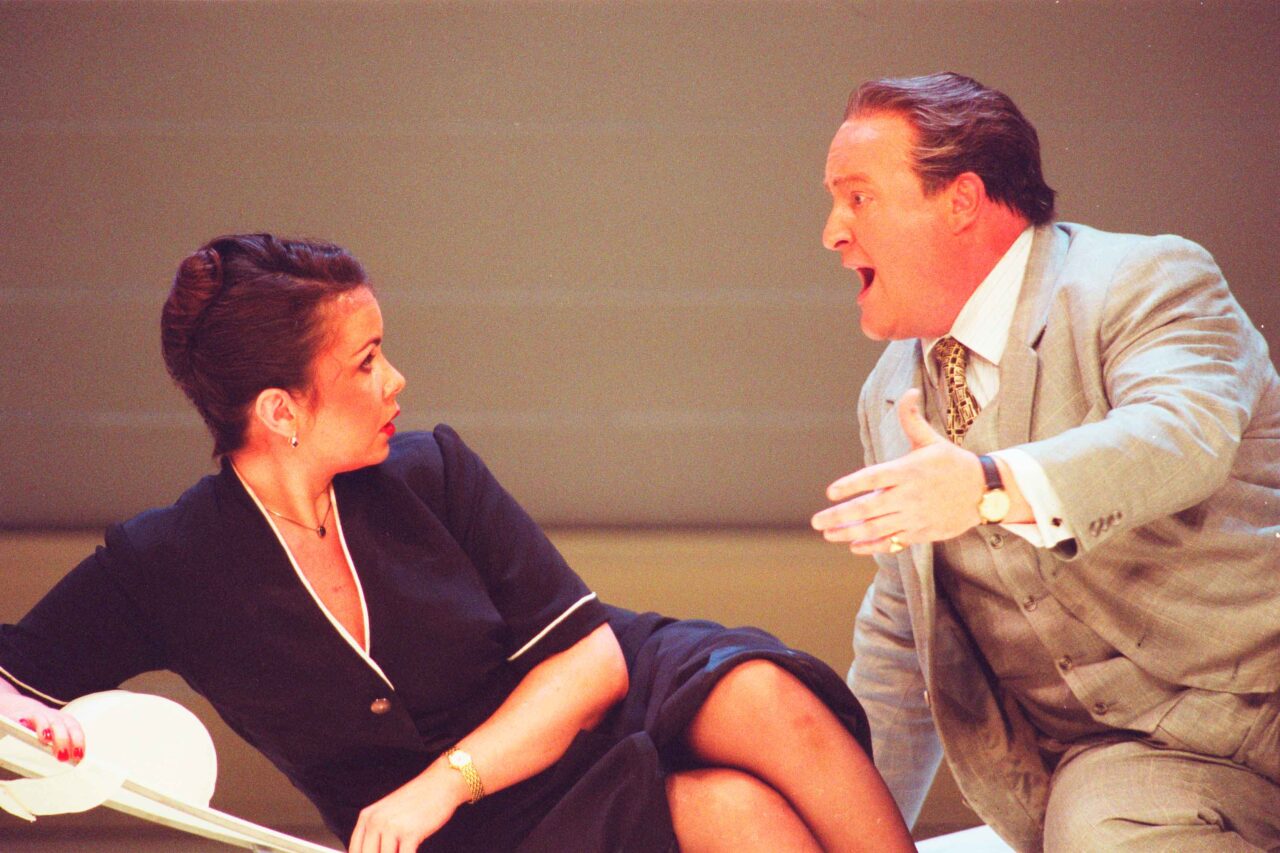
Matthew Warchus, in his 2002 production, preferred to see the piece through the cynical lens of Don Alfonso. Starting with a dumb show during the overture, which showed Alfonso setting out his plans, it ended with him gaining the upper hand over all the other characters.
When the Coliseum closed for renovation in 2003, actor Samuel West directed a modern dress production at the Barbican that was praised for its theatricality in a low-budget setting. It cleverly sought to show both the traditional and contemporary take on the piece by having the two couples respond in different ways to the situation in which they find themselves.

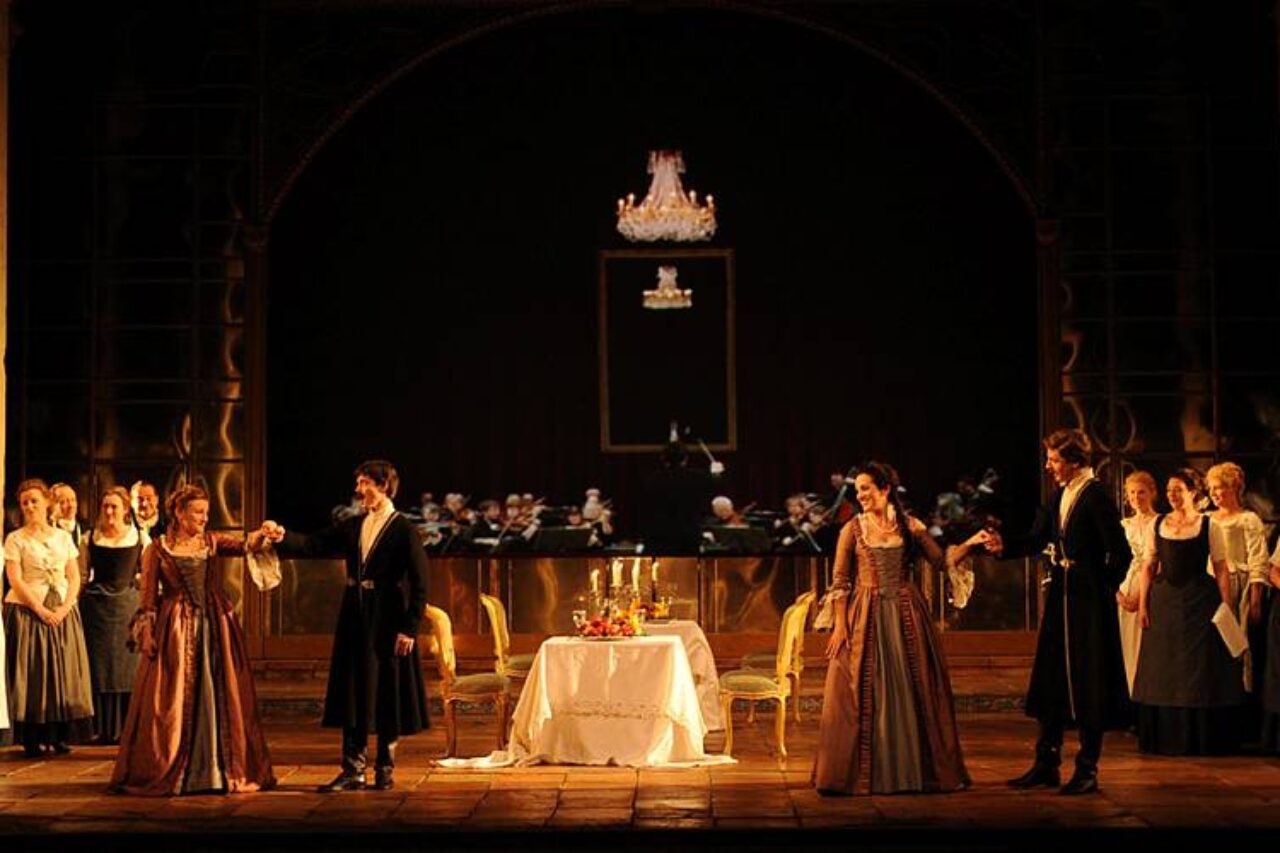
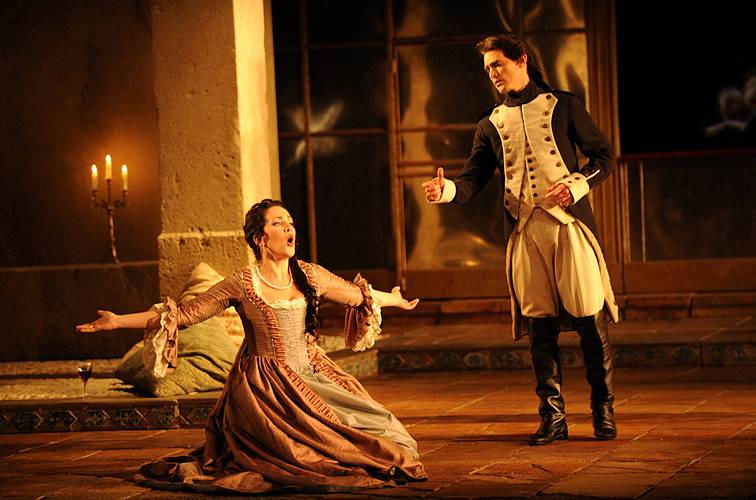
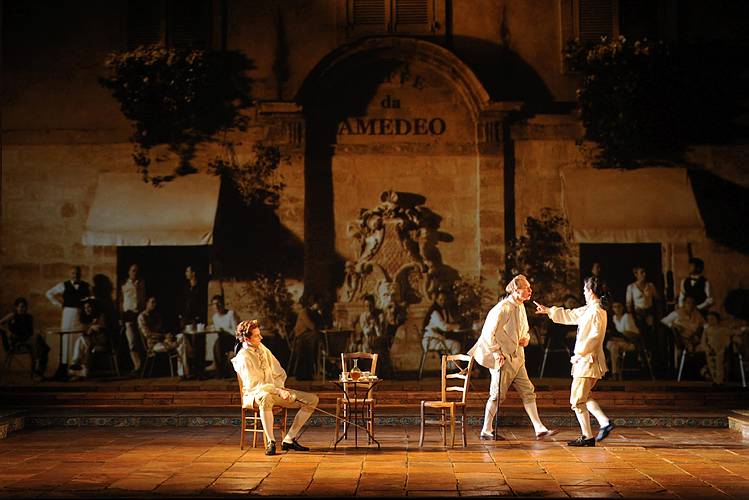
In 2009, acclaimed Iranian filmmaker Abbas Kiarostami directed a spare, straightforward production, using film to create the backdrop. First seen at the Aix-en-Provence Festival the previous year, the ENO performances were overshadowed by the director being denied a visa by the British Embassy in Tehran, thereby preventing him from attending the London rehearsals.
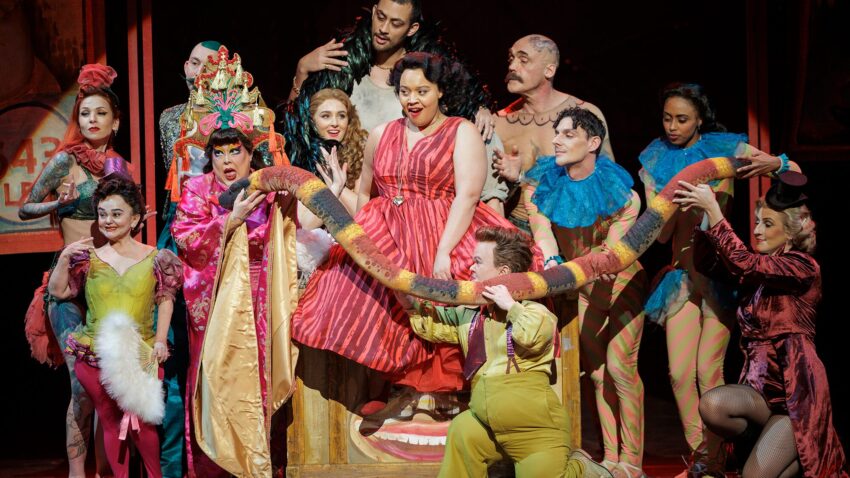
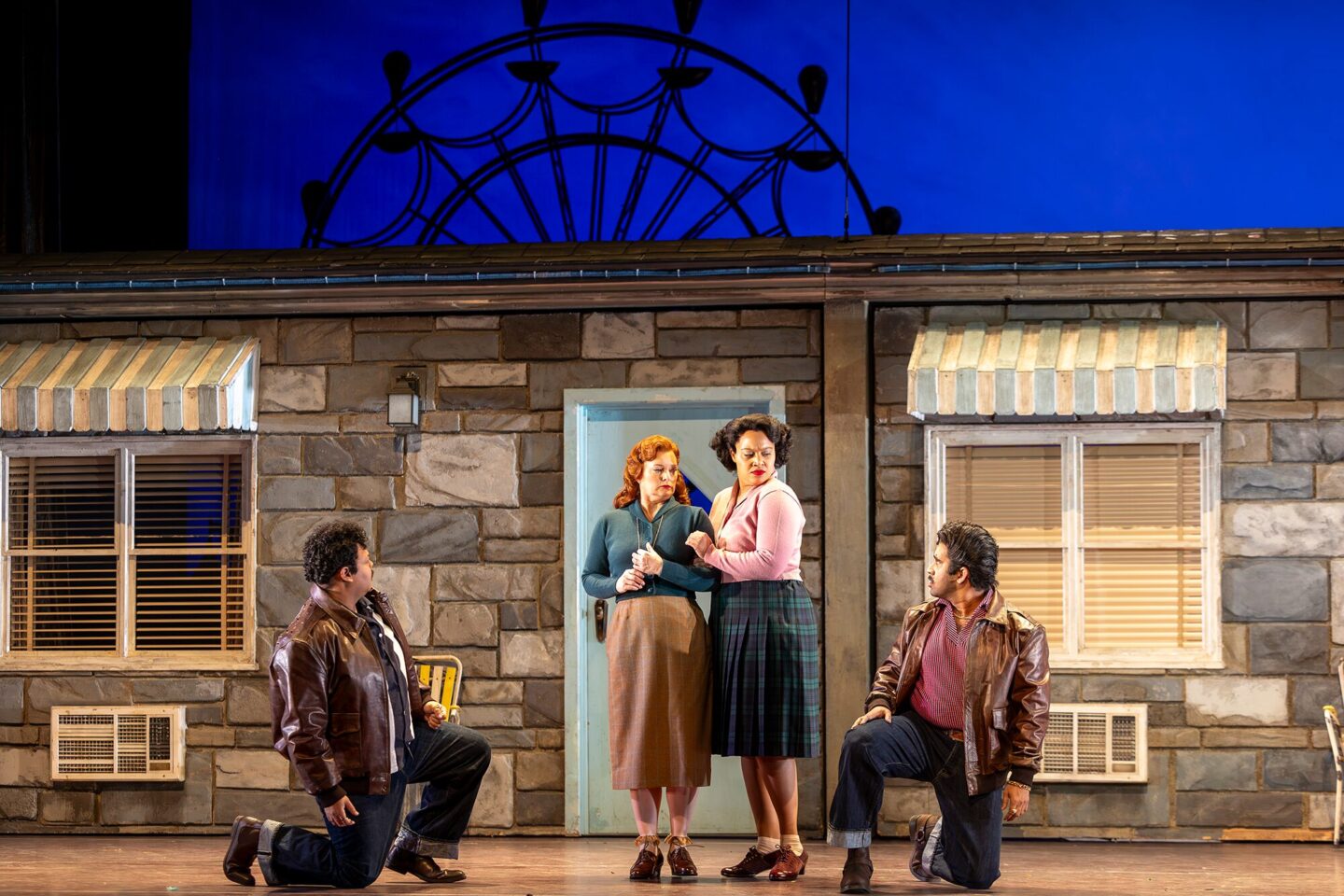
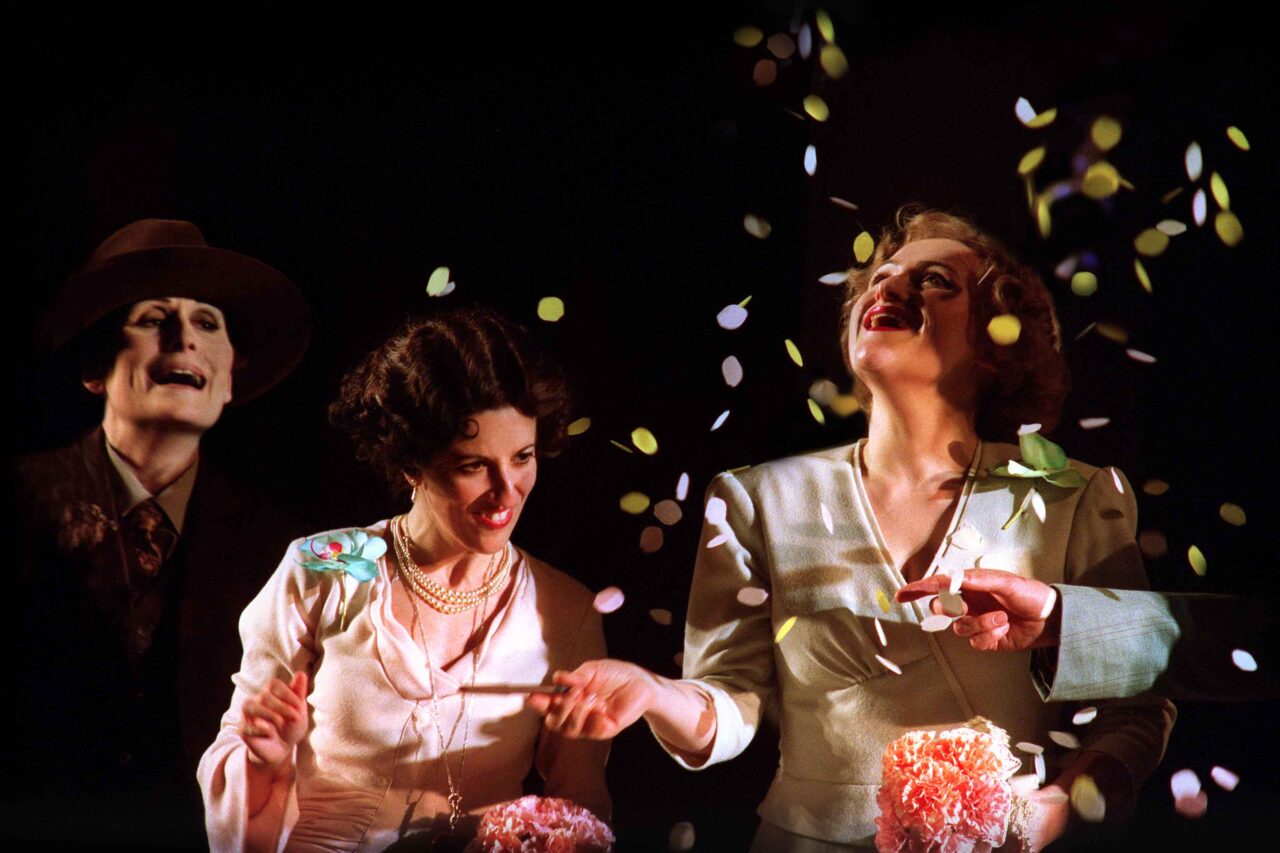
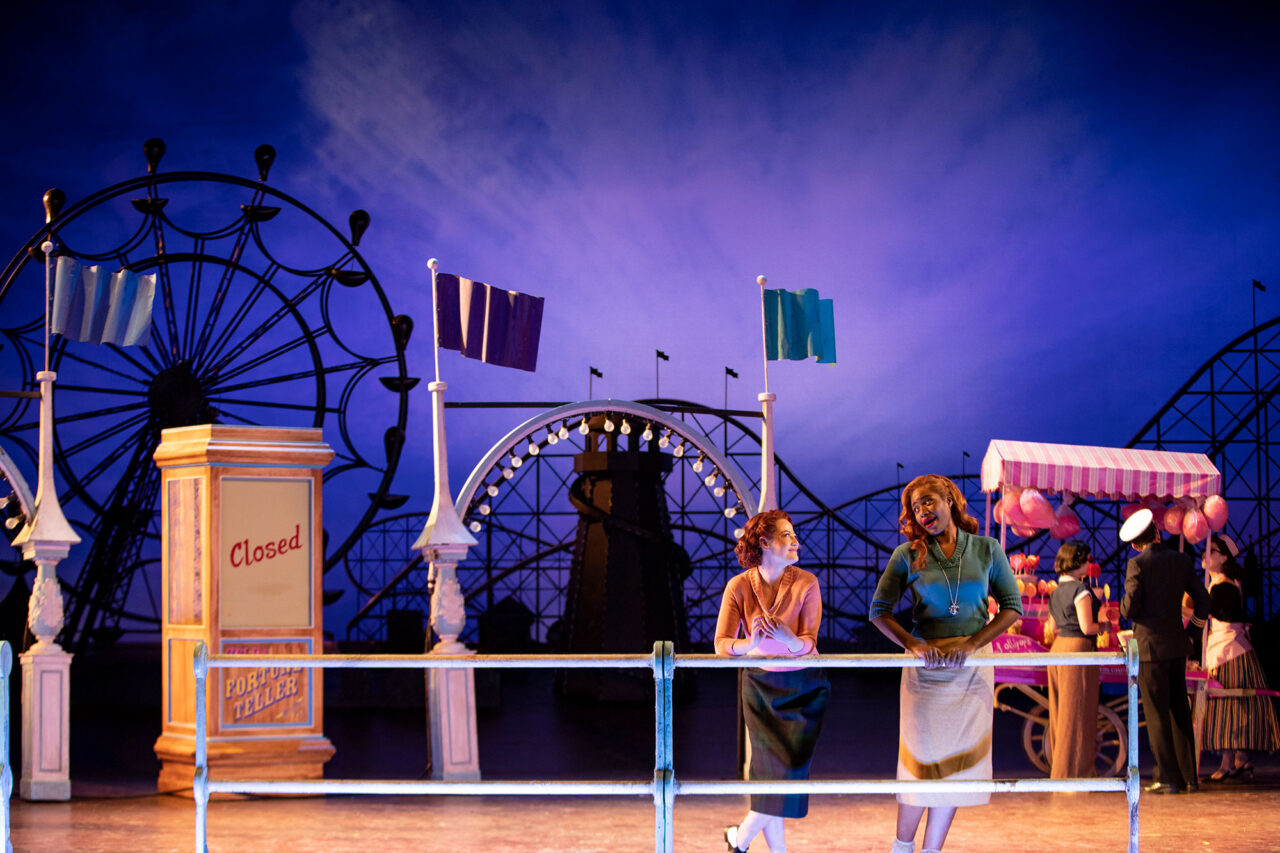
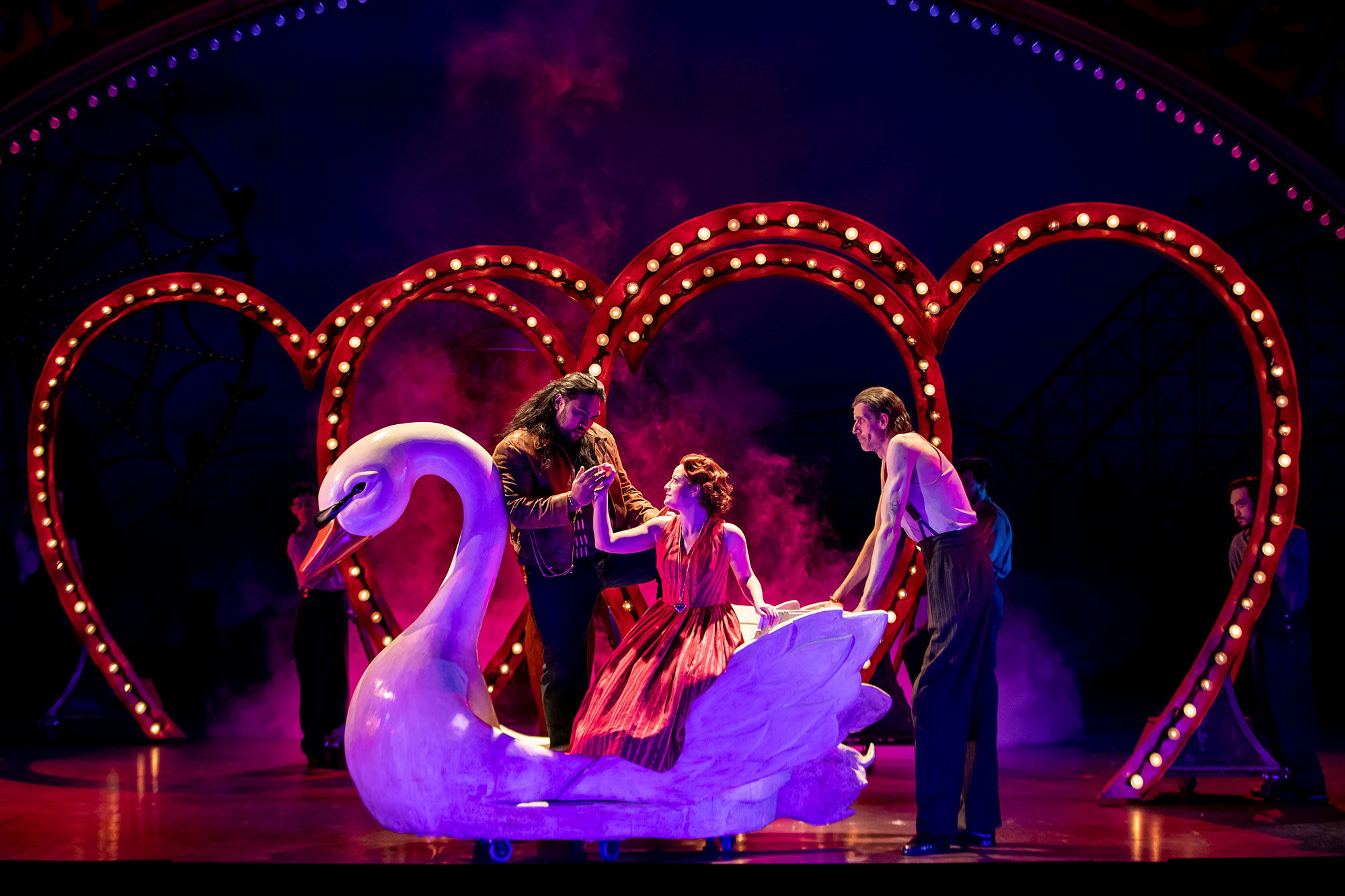
Phelim McDermott set his production in the gaudy world of Coney Island in the 1950s. Tom Pye’s colourful design uses fairground attractions to create a seductive world in which the characters are uncertain of what is real and what is not.
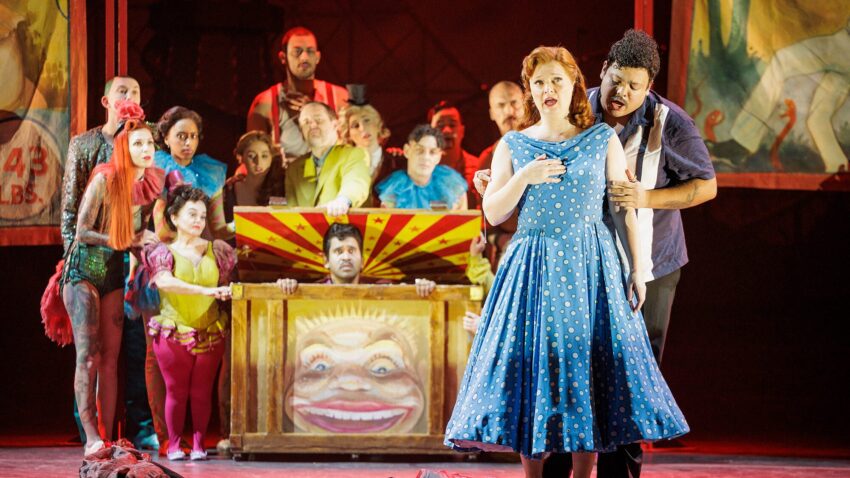
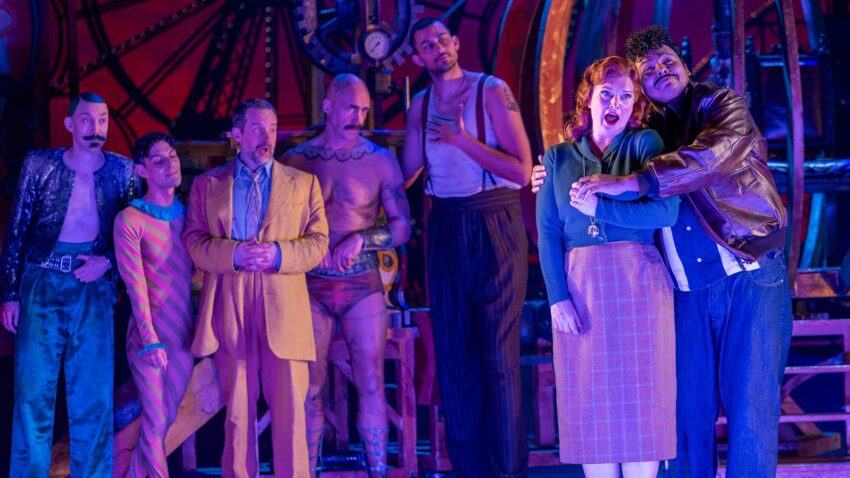
First performed in 2014 and later seen at the Metropolitan Opera New York, this co-production with Improbable employs its trademark theatricality to breathe new life into Così fan tutte, an opera that will continue to fascinate and infuriate directors – and audiences – for years to come.
Così fan tutte at ENO
Look through our gallery of images from productions of Mozart's Così fan tutte

More about Così fan tutte
An Introduction to Così fan tutte
Who’s Who, What’s What: Five Common Questions about Così fan tutte Answered
Read more about the Mozart and De Ponte operas
The Marriage of Figaro

Don Giovanni