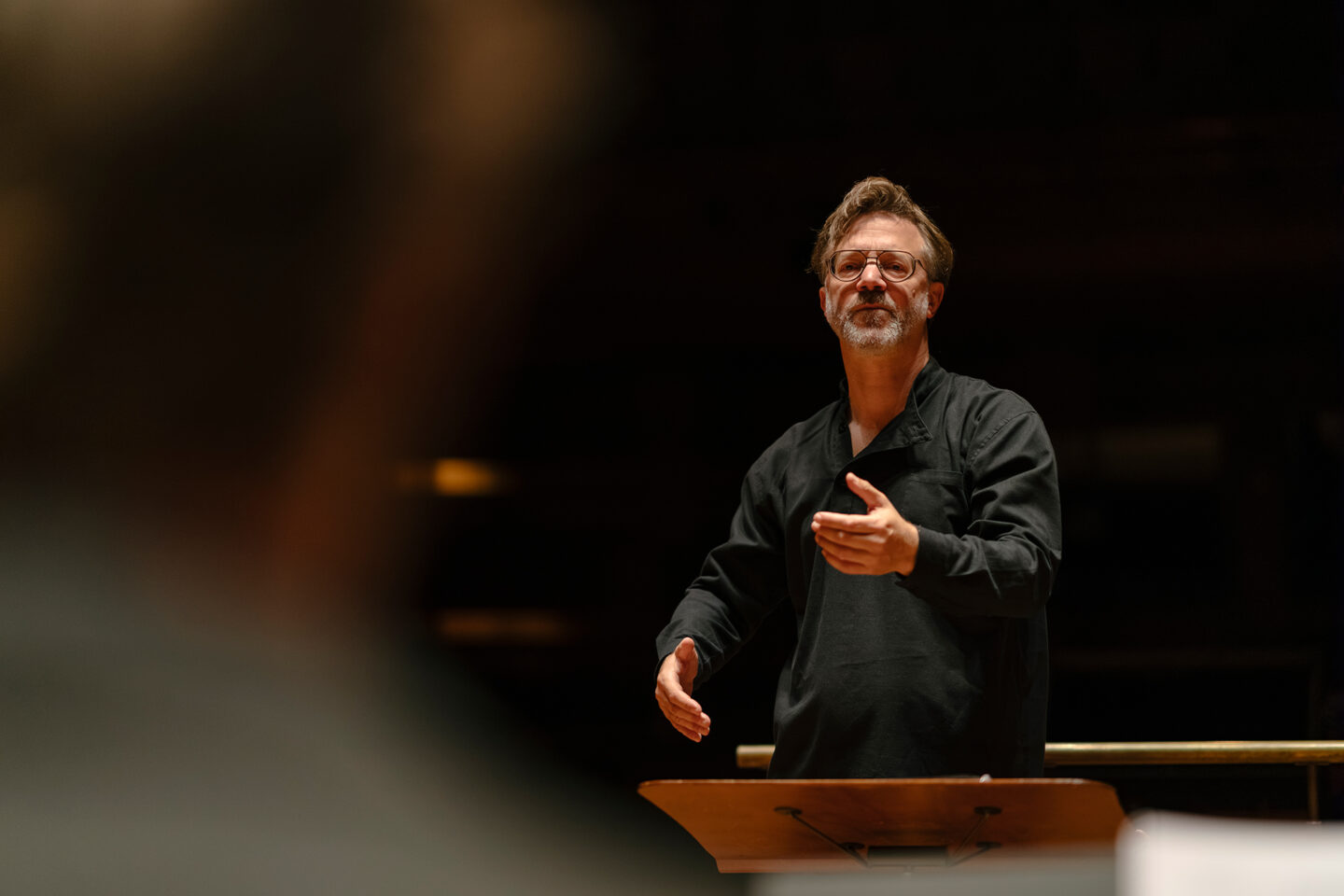
On working with ENO
De Ridder’s relationship with ENO stretches back more than two decades, encompassing landmark premieres such as Gerald Barry’s The Bitter Tears of Petra von Kant (2005) and Michel van der Aa’s Sunken Garden (2013).
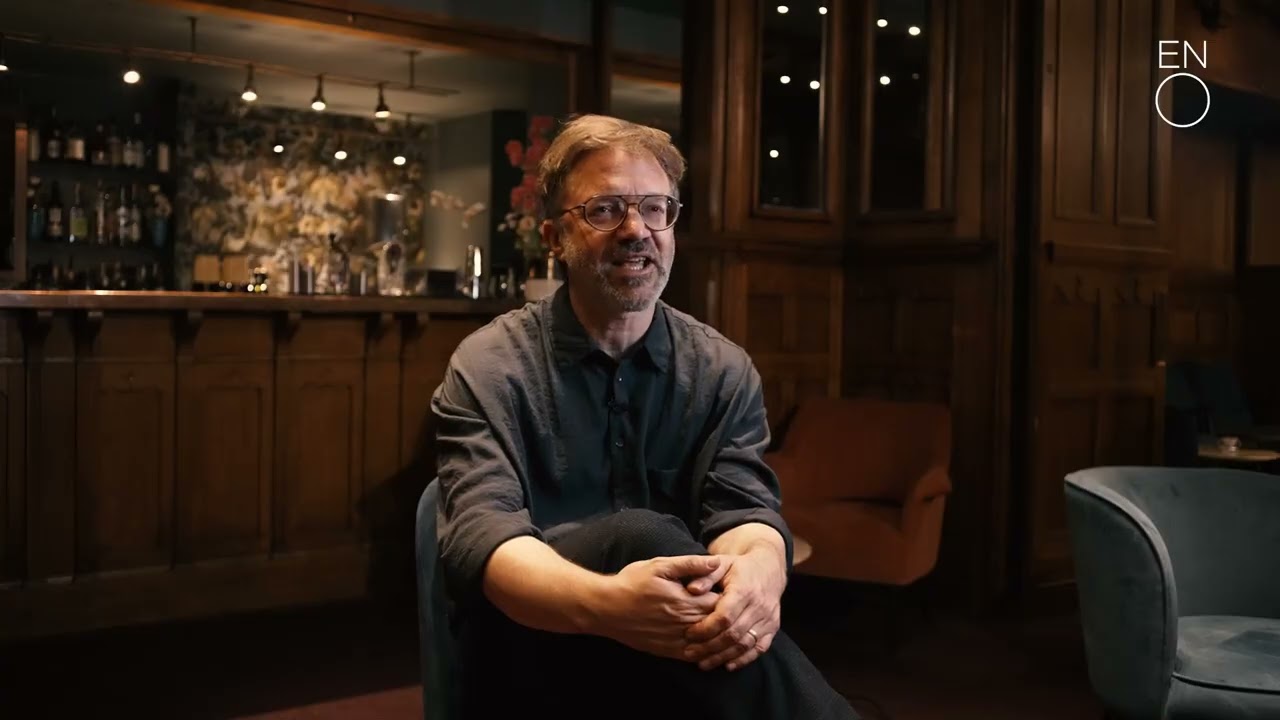
The atmosphere at ENO remains as welcoming and cutting edge to de Ridder today.

On Rise and Fall of the City of Mahagonny
De Ridder describes the work’s renewed currency as ‘uncanny’ and a reminder that opera’s relevance does not come from topical gestures alone, but from works that know how to speak plainly across time.
The score for Rise and Fall of the City of Mahagonny, written for a theatrical band but realised on an operatic scale, requires an orchestra that can retain rhythmic bite and improvisatory sharpness without sacrificing weight or precision.
On Kurt Weill’s music
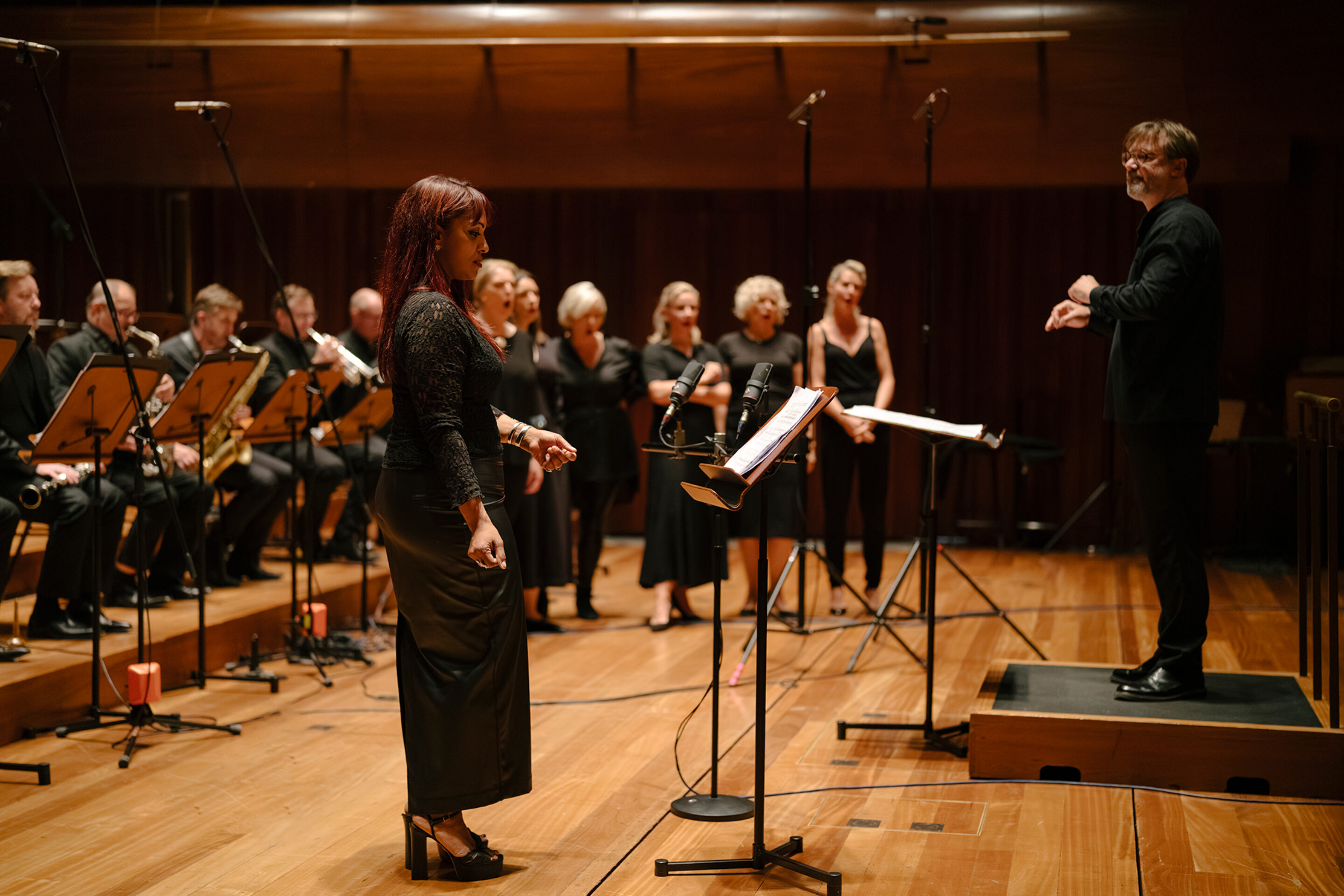
‘I did grow up with the music of Kurt Weill running through my veins,’ he says, recalling his formative years in Berlin.
‘What Weill did is a very complex, very, very conscious crossover,’ he notes, a fusion that allowed opera to absorb the language of cabaret, jazz and popular song without surrendering its dramaturgical seriousness.
‘It’s still numbers in closed forms,’ De Ridder observes, ‘but the numbers carry narration and drama.’.
‘My favourite opera singers are proper singing actors,’ he says. ‘This knowledge of how to speak through singing or speak within the singing – in Weill – it’s absolutely essential.’
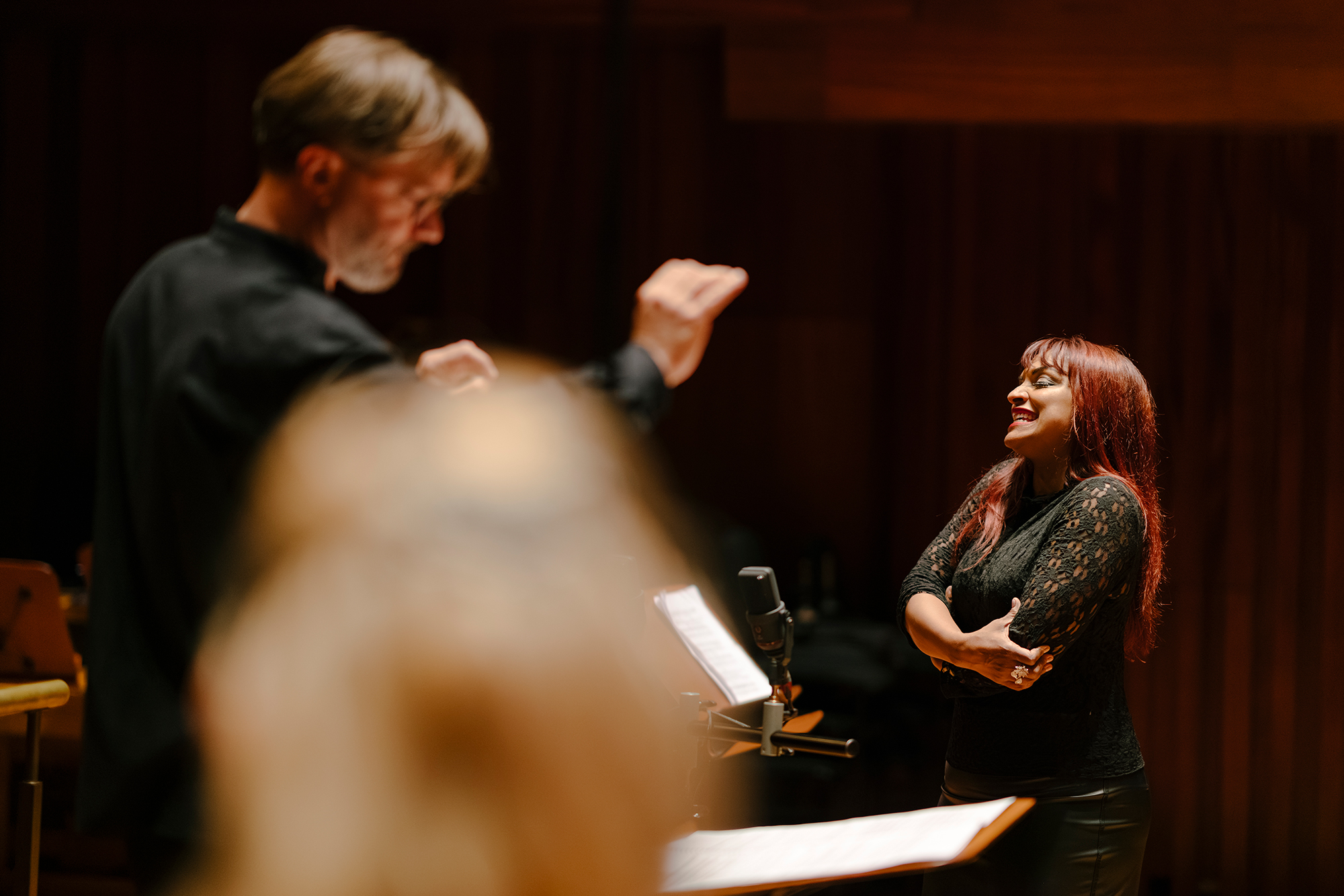
'...interesting titles, exciting music, exciting stage concepts paired with great pieces'André de Ridder, On reaching new audiences as the Music Director of ENO
On connecting with audiences
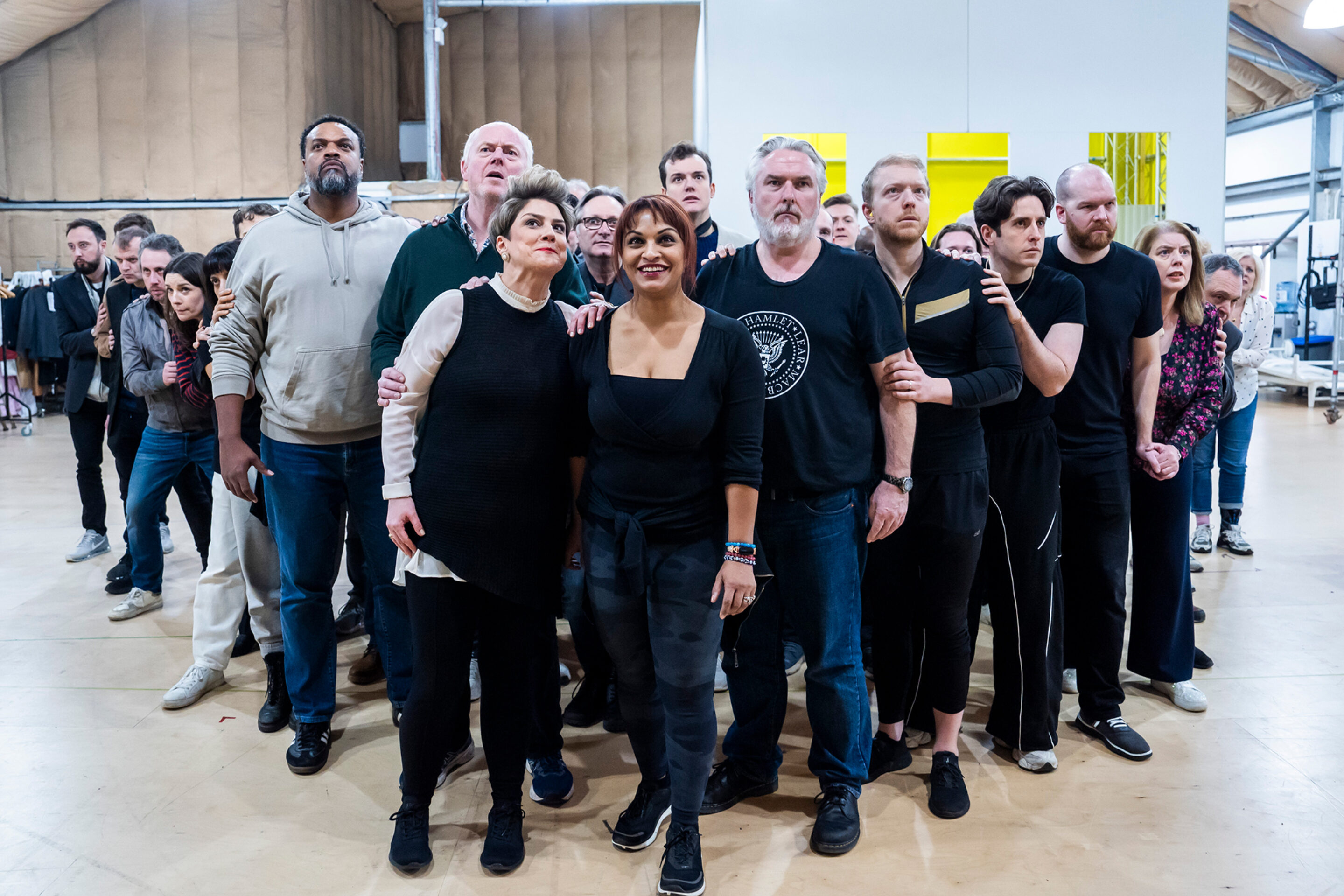
de Ridder recalls watching the Chorus of ENO not merely sing brilliantly, but play spontaneously, relishing their theatrical presence and their connection with the public.
English-language performance allows opera to speak directly, without mediation. Productions should close the distance between stage and audience, rather than magnify it.
Watch the full video
Related Content
Creating a World out of Nothing Meet Director Jamie Manton and Designer Milla Clarke
Rise and Fall of the City of Mahagonny
