
What is a bass vocal?
The bass voice type is typically the lowest male voice, and it is often associated with characters of authority, wisdom or villainy. In many operas, bass singers are tasked with portraying kings, fathers or other figures of stature, but they also take on roles as comic characters or even supernatural beings.

Types of bass singer
There are several sub-types f bass singing voices, each with its own unique characteristics. These are:
Basso profondo (also basso profundo or contrabass): Known for their exceptionally deep, dark timbre and often used for characters who are older or more serious, such as Sarastro in Mozart’s The Magic Flute.
Basso cantante: Possess more lyrical qualities and are used for roles that require greater vocal agility and expressiveness, like Figaro in The Marriage of Figaro.
Comic bass or basso buffo: Specialise in roles that require quick delivery and comedic timing, often seen in the works of Rossini and Donizetti.
These distinctions allow composers to craft roles that match the vocal strengths of the bass, enriching the overall storytelling.
Famous singers with a bass voice
Bass opera singers have been pivotal in some of the most memorable performances in the genre. These singers demonstrated the versatility of the bass voice, proving that it can carry both the gravitas of serious drama, and the lightness required for comedy to captivate audiences both past and present.
Historical bass singers
Fyodor Chaliapin: Renowned for his portrayal of Mussorgsky’s Boris Godunov which highlighted his ability to combine deep emotion with vocal depth.
Cesare Siepi: Siepi’s interpretations of Mozart’s Don Giovanni set a high bar for future generations of famous bass voices.
Nicolai Ghiaurov: Famous for his powerful roles in Verdi operas like Attila and Don Carlos.

Popular modern bass singers
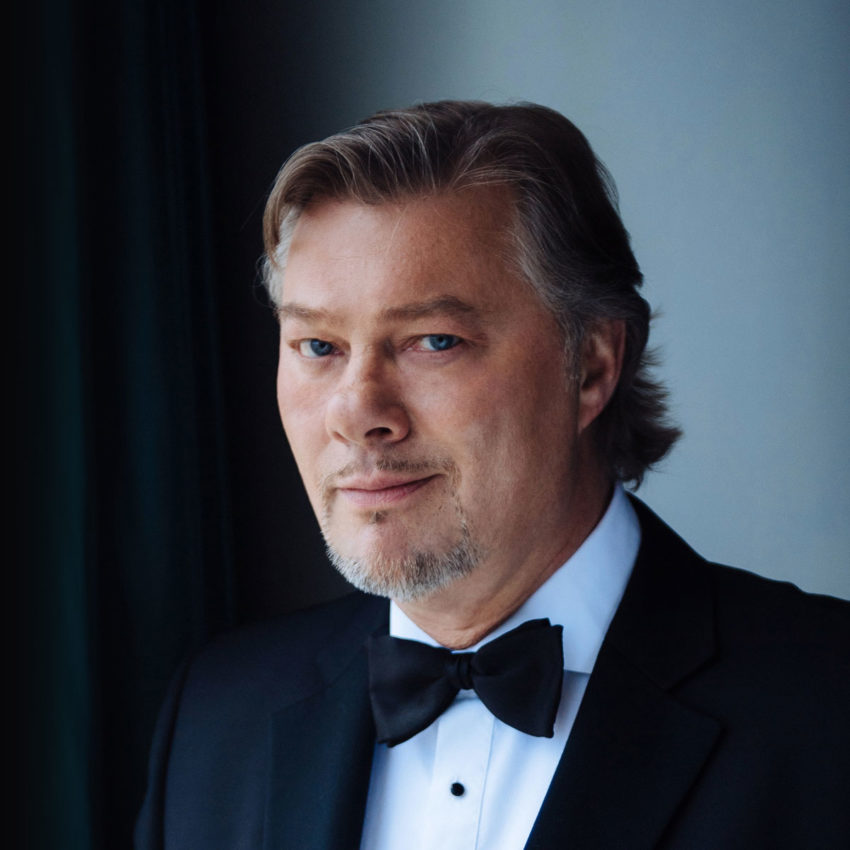
René Pape: Pape’s roles in Wagnerian operas such as Die Meistersinger von Nürnberg and Tannhäuser display his exceptional ability to bring depth and nuance to complex characters.
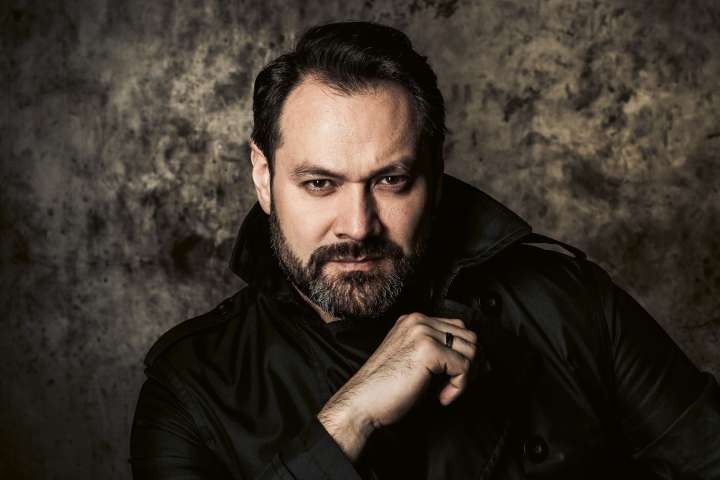
Ildar Abdrazakov: Noted for his powerful voice and charisma in both dramatic and comedic roles, including Verdi’s Attila and Rossini’s comic masterpieces.
FAQs
The lowest type of bass voice is called a basso profondo, which translates from Italian as “deep bass”. This vocal classification refers to singers with an exceptionally deep, resonant voice that can reach the lowest pitches in the bass range, typically extending from around E2 to E4.
This bass voice type is known for having a powerful, almost cavernous sound, often used in opera to portray characters with authority, or an ominous presence, such as kings or gods. This voice type is rare and requires specific vocal technique to manage such low notes while maintaining clarity and tone.
Bass singers are considered rare due to a combination of genetics, anatomy and vocal technique. A true bass voice requires a genetically unique vocal cord structure with the right physical properties to generate such deep, resonant sounds. They must also undertake rigorous training and technique to master the control and resonance needed for these deep tones.
Bass voices are often more limited in range compared to higher voice types (such as tenors or baritones), which leads to fewer opportunities for bass singers in both classical and opera performances. As a result, those who have a bass voice type are highly sought after for their unique sound.
A bass singing voice is highly valuable to both operatic and classical music. It adds an essential depth and balance to harmonies, providing a solid foundation to support higher voices and form a richer sound. The deep, resonant tones of a bass also allow singers to take on powerful and authoritative roles in opera, often portraying kings, gods or other commanding characters.
While bass singers are fewer in number, their voices are both rare and highly sought after for their ability to bring gravitas and presence to any performance.


Related content

Opera’s Greatest Soprano Roles

Opera’s Greatest Tenor Roles
