Who wrote La bohème?
La bohème was written by Italian composer Giacomo Puccini (1858-1924). He was the leading Italian composer of his generation.
Puccini wrote in the ‘Opera Verismo‘ style also known as naturalism. This genre of opera does away with epic quests and mythological beasts, focussing instead on ‘human’ drama – illness, lost loves and marital problems as seen in the plot of La bohème.
He wrote 12 operas in total with some of his compositions being regarded as some of the best of opera, including Madam Butterfly, Tosca and La bohème. He also wrote orchestral pieces, piano pieces, chamber music, mass and art songs.

What is La bohème about?
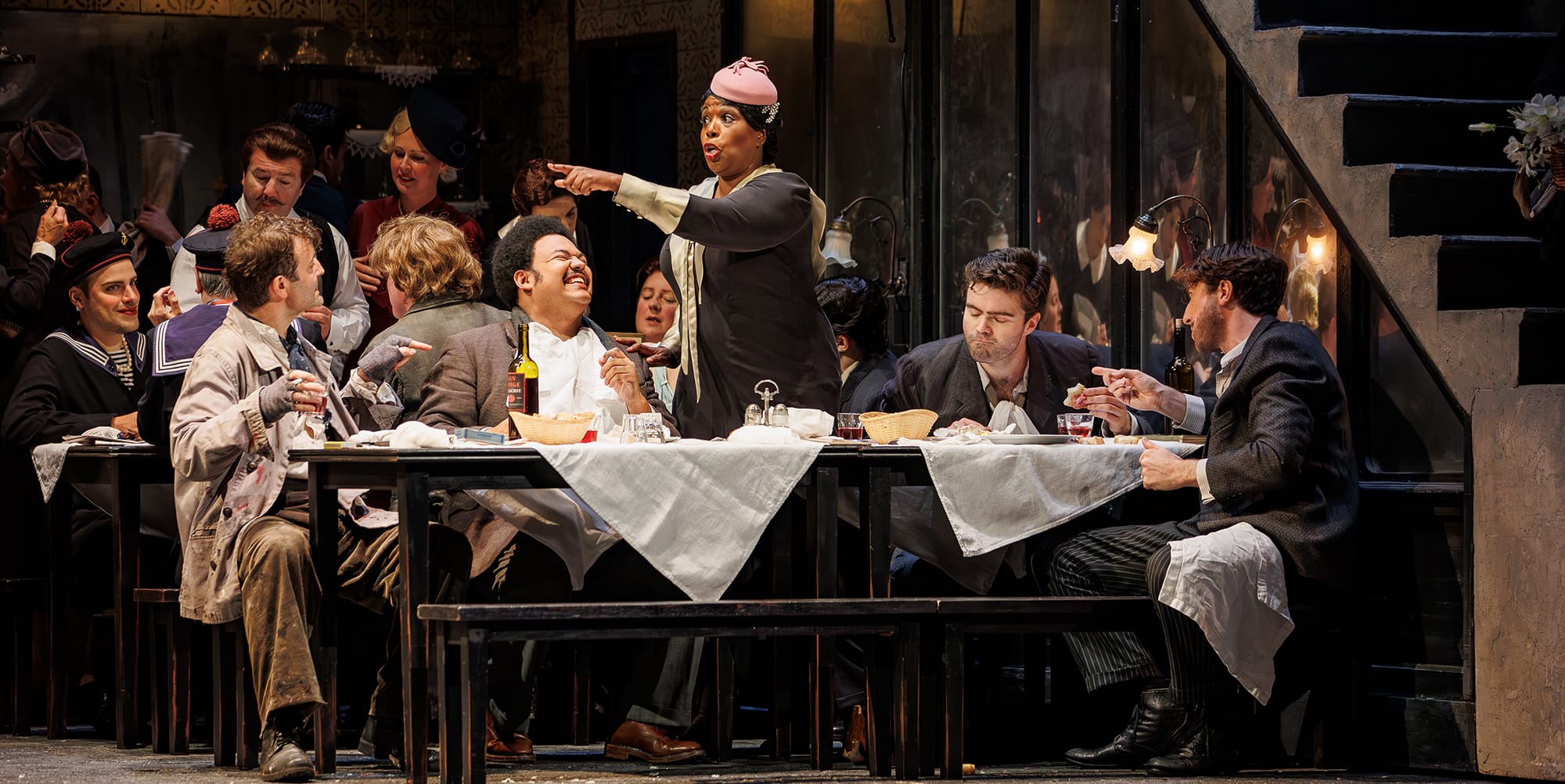
The story of La bohème follows Bohemian writer Rodolfo and seamstress Mimì’s whirlwind romance, as both struggle with life as impoverished Parisians.
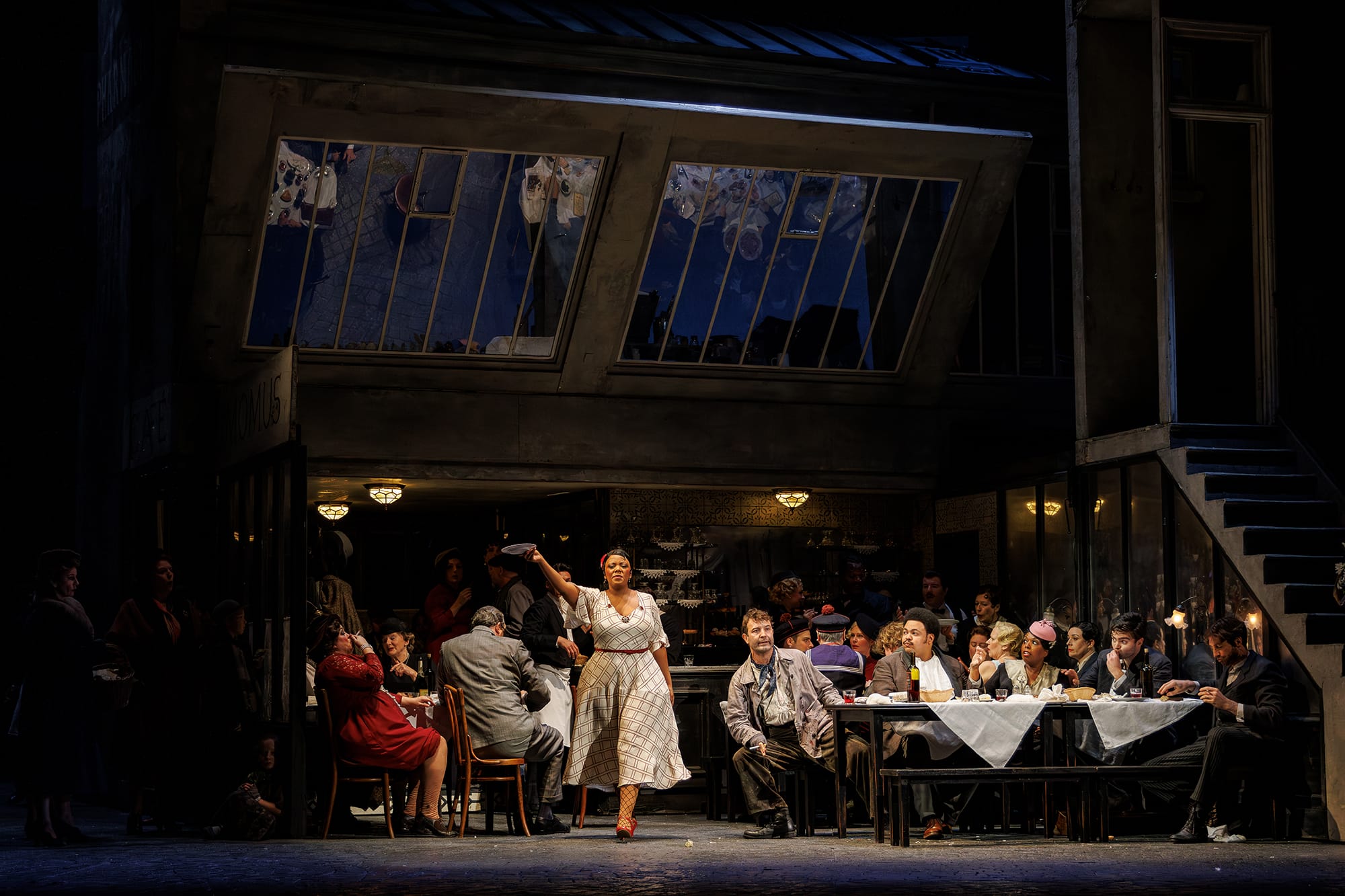
The relationships and hardships faced by the pair along with their friends Marcello and Musetta are explored, alongside the effects of poverty, illness and youthful passion. The opera is a poignant take on the fleeting nature of happiness.

Is La bohème a good opera for beginners?
Yes. La bohème is a great opera for beginners.
The opera is widely considered as one of the greatest and most beloved operas of all time.
Its popularity has been sustained since the 1896 premiere, and it continues to captivate audiences globally – with Puccini’s score for La bohème praised for its ability to capture a range of emotions.
If you’re an opera newbie, read our beginner’s guide for all you need to know about our incredible art form.
What is the most famous song from La bohème?
There is a wide selection of songs performed in La bohème that are argued to be the best.
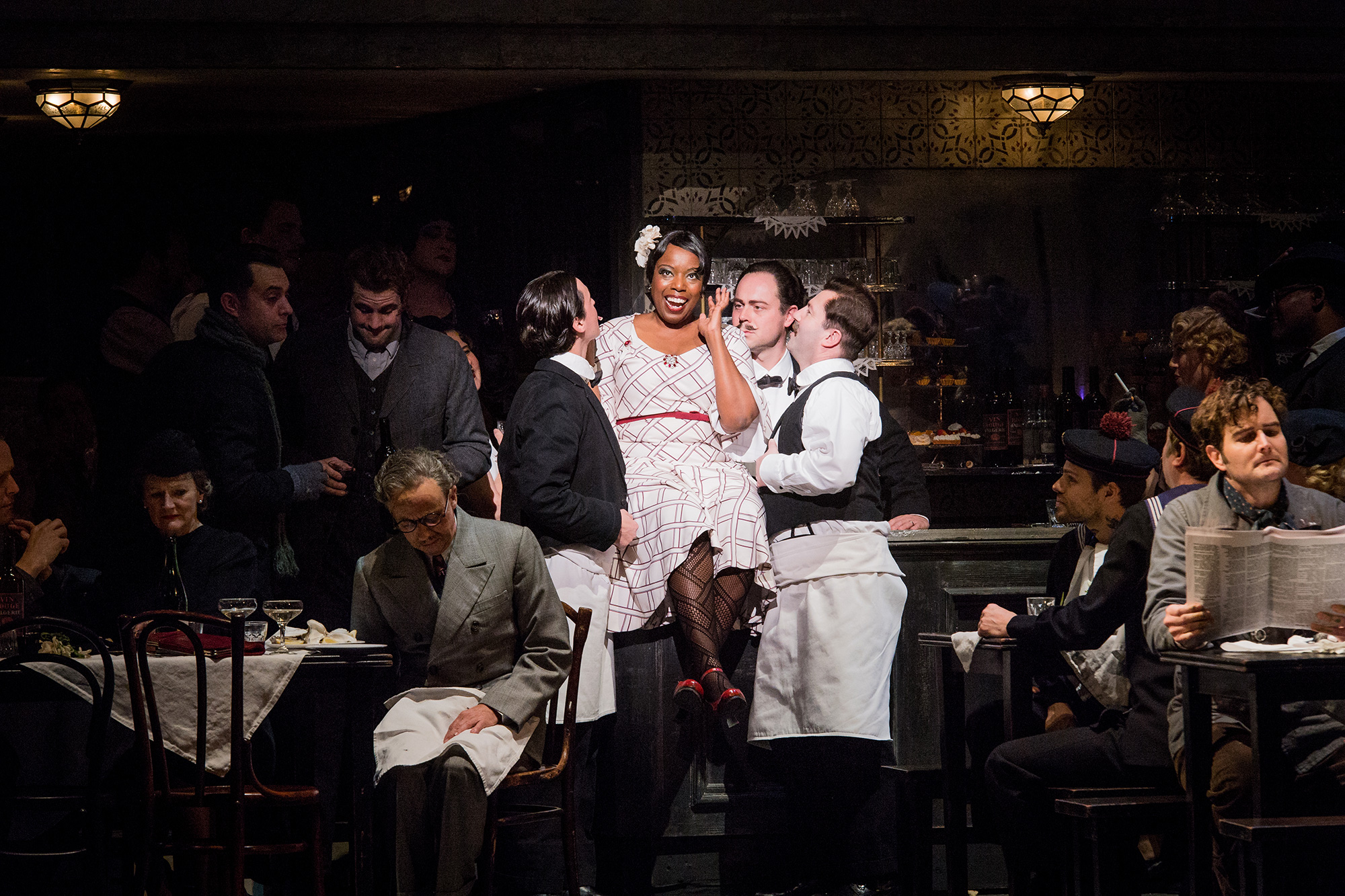
However, the most popular choices are Rodolfo’s aria ‘Che gelida manina’ (What a frozen little hand, let me warm it for you) and Musetta’s aria ‘Quando m’en vo’ known in English as ‘Musetta’s Waltz’.
What does La bohème mean?
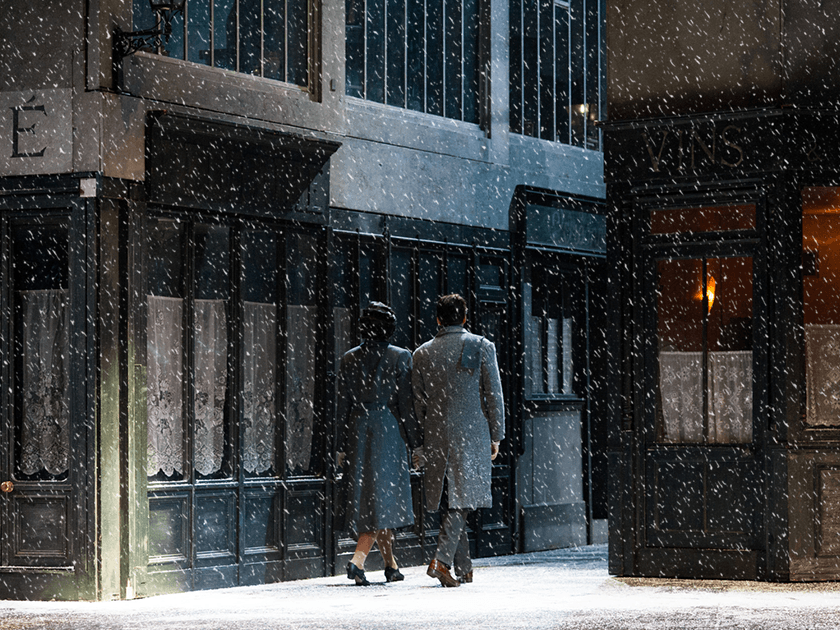
Translated into English, ‘La bohème’ is ‘The Bohemian’. This refers to someone who leads an unconventional and artistic life, as well as disregarding the stereotypical social norms of their society. In the context of the opera La bohème, this is referring to the group of artists at the centre of the story.
Bonus: How to pronounce La bohème
Following Italian pronunciation, La bohème is pronounced as ‘lah boh-EM’.

Related Content
An Introduction to La bohème
La bohème in pop culture
