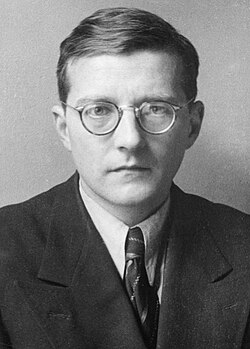
The life of Dmitri Shostakovich: A summary
This section explores the remarkable journey of Shostakovich’s life – from his upbringing in Soviet Russia to his international career as a prolific composer. Discover the early influences that shaped him, the challenges he faced under political scrutiny, and the works that secured his enduring legacy.
Early life and education
Dmitri Dmitriyevich Shostakovich was born on 25 September 1906 in Saint Petersburg, then a thriving cultural centre of Russia. Raised in an intellectually vibrant household, he displayed prodigious musical talent from a young age. At just nine years old, he began piano lessons, and by thirteen he had entered the Petrograd Conservatory. There, he studied piano and composition under renowned teachers such as Leonid Nikolayev and Maximilian Steinberg.
Shostakovich’s early success arrived quickly: his Symphony No. 1, composed at only nineteen, became an international triumph and marked the start of his professional career. His formative years were shaped by both classical traditions and the rapidly changing political and artistic atmosphere of post-Revolution Russia.
Career highlights
Throughout his career, Shostakovich developed a distinctive compositional voice – one capable of expressing biting wit, dramatic tension, lyrical beauty and raw emotional power. His output spans symphonies, operas, chamber music, piano works and film scores, contributing to some of Soviet cinema’s most iconic moments.
Some of his most significant achievements and compositions include:
- ‘Symphony No. 5’ (1937) – Often interpreted as a response to political oppression, this piece restored Shostakovich’s standing after earlier censorship.
- ‘Symphony No. 10’ (1953) – A profound and brooding work written shortly after Stalin’s death.
- ‘Symphony No. 4’ – A vast, ambitious piece suppressed for decades before its eventual premiere.
- ‘Waltz No. 2’, from his Jazz Suite No. 2, which remains one of his most recognisable pieces worldwide.
- ‘Piano Concerto No. 2’ – Written for his son Maxim, celebrated for its vibrant and lyrical second movement.
- The Gadfly – A film score containing the famous Romance movement.
A substantial catalogue of movie scores, now considered landmarks of Soviet-era filmmaking.
His bold opera Lady Macbeth of Mtsensk caused a notorious political scandal following a damning Pravda article in 1936, shaping his career for decades. Despite censorship, political pressure and artistic scrutiny, Shostakovich continued to produce work of extraordinary depth and originality.
Later life
In his later years, Shostakovich turned increasingly to intimate forms such as chamber music, including his fifteen string quartets, widely regarded as masterpieces of 20th-century repertoire. Though his health declined due to long-term illness, he continued composing until shortly before his death on 9 August 1975. His final works – including Symphony No. 15 and several late chamber compositions – reveal a deeply introspective style, blending humour, nostalgia and mortality. Today, his legacy as a composer continues to influence musicians, scholars and audiences around the world.
Shostakovich’s musical style and influence
Shostakovich’s musical style is instantly recognisable: a blend of intense emotional contrasts, driving rhythms, sharp dissonances and haunting melodies. His works often feature sudden shifts between sarcasm and sorrow, grandeur and fragility – a reflection of the turbulent political climate in which he lived.
Key influences included Mahler, Berg and Russian folk traditions. Shostakovich also pioneered the use of personal musical motifs, most famously the DSCH theme, derived from the German spelling of his name. His music has shaped modern orchestral writing, Soviet-era film scoring, and contemporary interpretations of musical irony and political expression.
Shostakovich’s most famous works
- Symphony No. 5 (1937) – Often interpreted as a response to political oppression, this piece restored Shostakovich’s standing after earlier censorship.
- Symphony No. 10 (1953) – A profound and brooding work written shortly after Stalin’s death.
- Symphony No. 4 – A vast, ambitious piece suppressed for decades before its eventual premiere.
- Waltz No. 2, from his Jazz Suite No. 2, which remains one of his most recognisable pieces worldwide.Piano Concerto No. 2 – Written for his son Maxim, celebrated for its vibrant and lyrical second movement.
- The Gadfly – A film score containing the famous Romance movement.
Shostakovich’s most famous operas
- Lady Macbeth of Mtsensk (1934) – A groundbreaking opera combining dark humour, raw emotion and social critique.
- The Nose (1930) – A surreal, satirical work based on Gogol’s short story, considered one of his boldest early creations.
- Katerina Ismailova (1963) – A revised version of Lady Macbeth of Mtsensk, developed to meet Soviet censorship standards while preserving the opera’s dramatic essence.
Shostakovich’s music in action
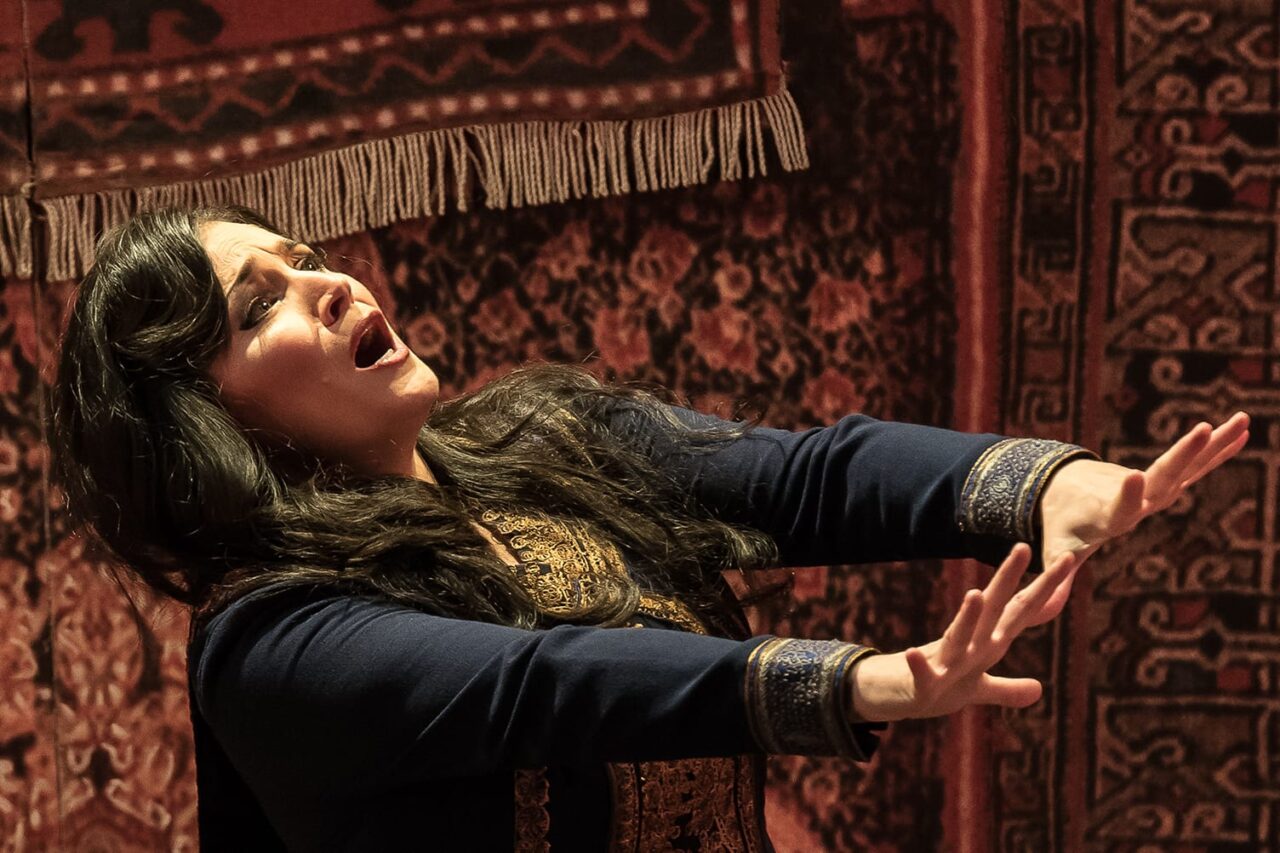
Shostakovich's Lady Macbeth of Mtsensk, ENO
Dmitri Shostakovich FAQs
His Symphony No. 5 is widely considered his most famous work, though Waltz No. 2 and String Quartet No. 8 are also extremely popular.
Shostakovich was an accomplished pianist and initially pursued a career as a concert performer before focusing primarily on composition.
Throughout his life, he faced severe political scrutiny, particularly under Stalin, but remained a leading composer. He died in 1975 after long-term illness.
His signature musical motif, DSCH, appears throughout his works and represents the German transliteration of his name: D–E♭–C–B.
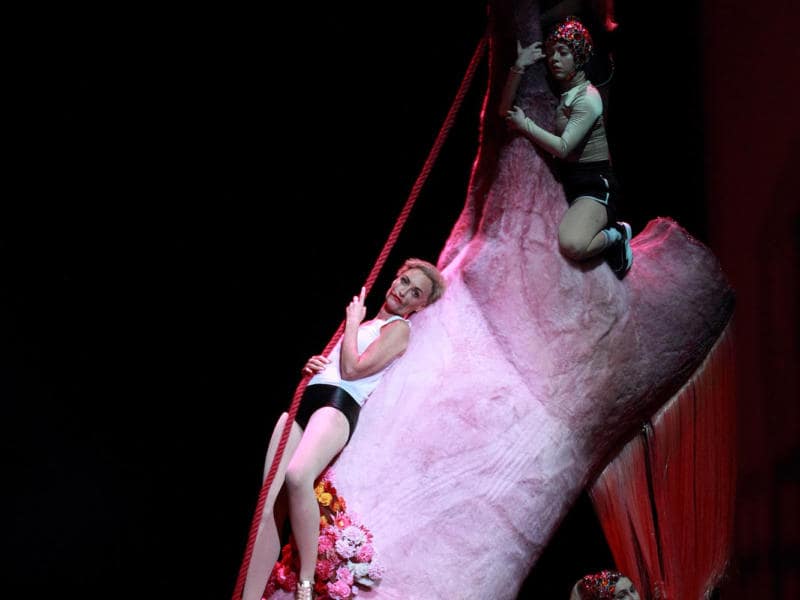
Operas that shook society

Beginner's Guide to 20th Century Composers
