Vissi d'arte (love and music) – Tosca
A tragic story of passion and jealousy, Puccini‘s opera Tosca is the story of the opera singer Floria Tosca, as she fights to save her lover Cavaradossi from the city’s police chief Scarpia.
Sung by Tosca herself in Act 2 of the opera, the aria begins with the phrase ‘Vissi d’arte, vissi d’amore’ which translates as ‘I have lived for art, I have lived for love’.
E lucevan le stelle – Tosca
E lucevan le stelle (With the Stars Shining Brightly) is an aria from the opera Tosca. This tenor aria is sung by the character Cavaradossi in Act 3 of the opera.
Cavaradossi is an artist who is in love with the singer Floria Tosca. However, Cavaradossi is sentenced to execution but before he dies, he sings E lucevan le stelle and recalls the love he had with Tosca.

See Tosca live with ENO

The Beginner’s Guide to Puccini

Attending opera for the first time?
Un bel di vedremo – Madame Butterfly
‘Un bel di vedremo’ features in Act 2 of Madam Butterfly, one of opera’s most enduring tales of unrequited love.
Madama Butterfly (Madam Butterfly in English) follows the tragic tale of Cio-Cio San, a young Japanese girl who falls in love with American naval officer Pinkerton, with devastating consequences.
Transalated as One fine day we’ll see – ‘Un bel di vedremo’ is sung by Cio-Cio-San in as she hopes and believes that her love will return to her.

More about Madame Butterfly
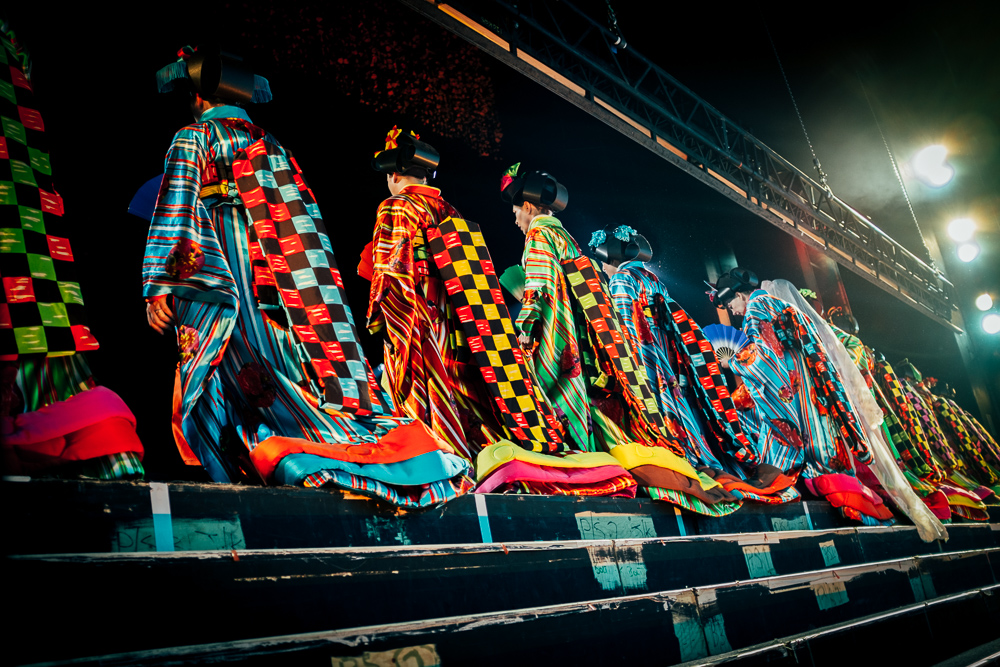
An Introduction to Madam Butterfly
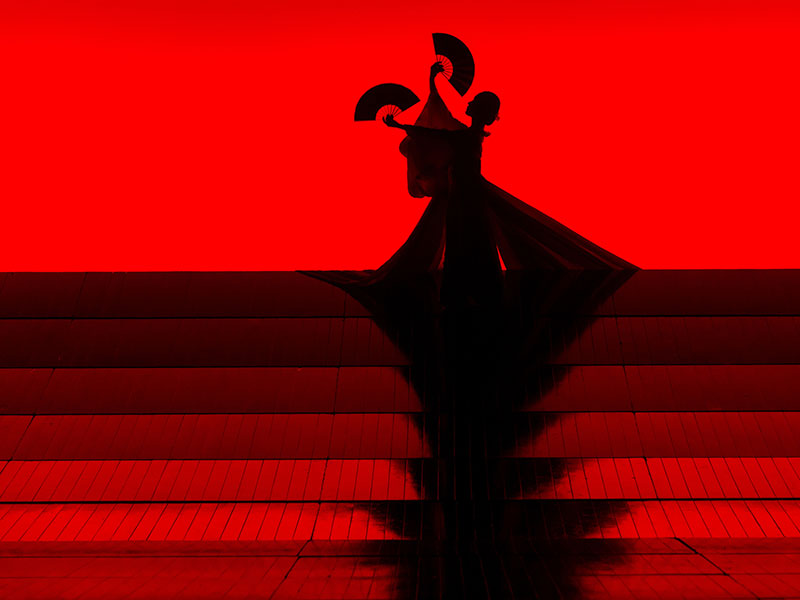
Who’s Who, What’s What - Madam Butterfly
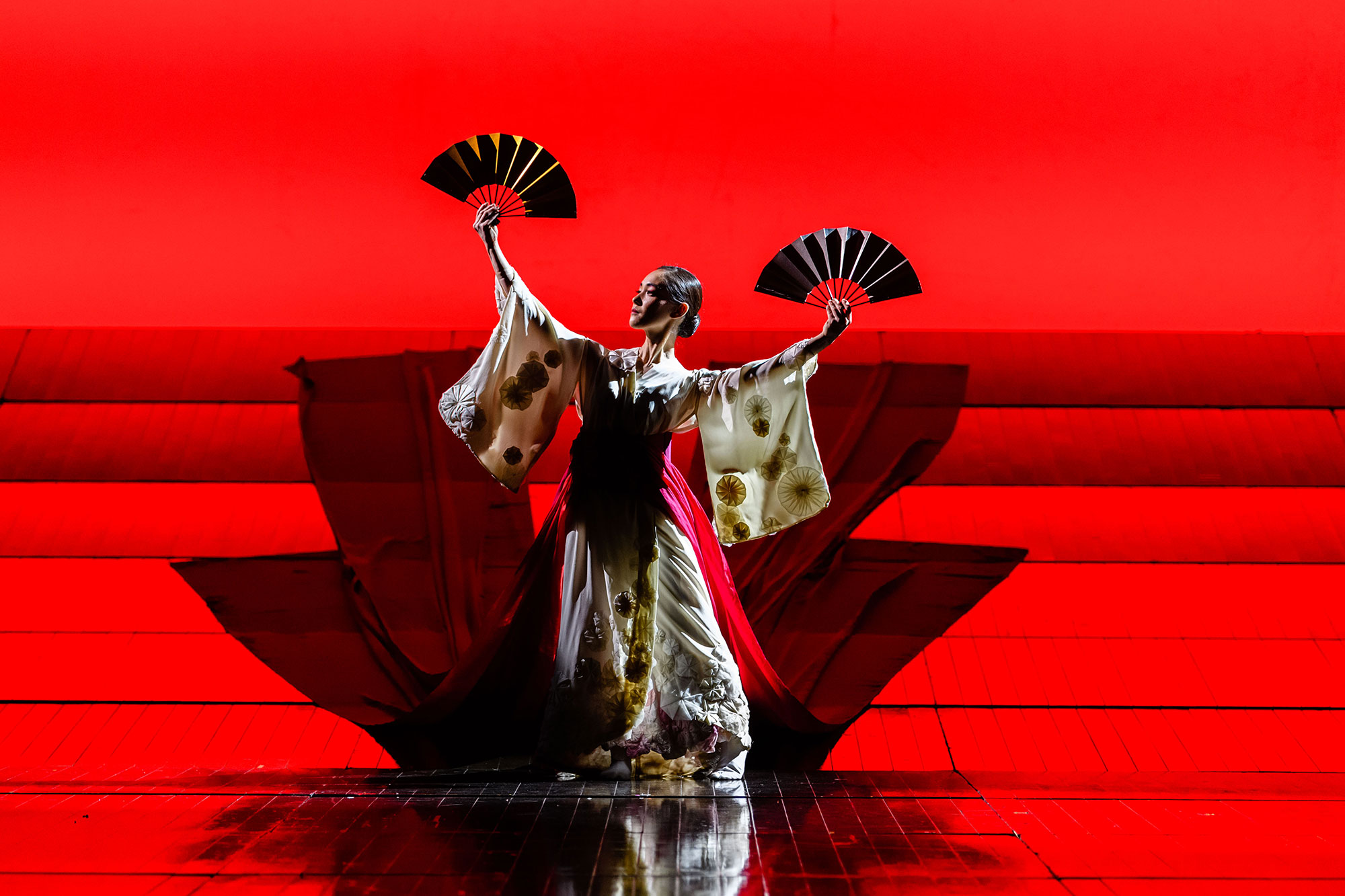
Madam Butterfly
O mio babbino caro – Gianni Schicchi
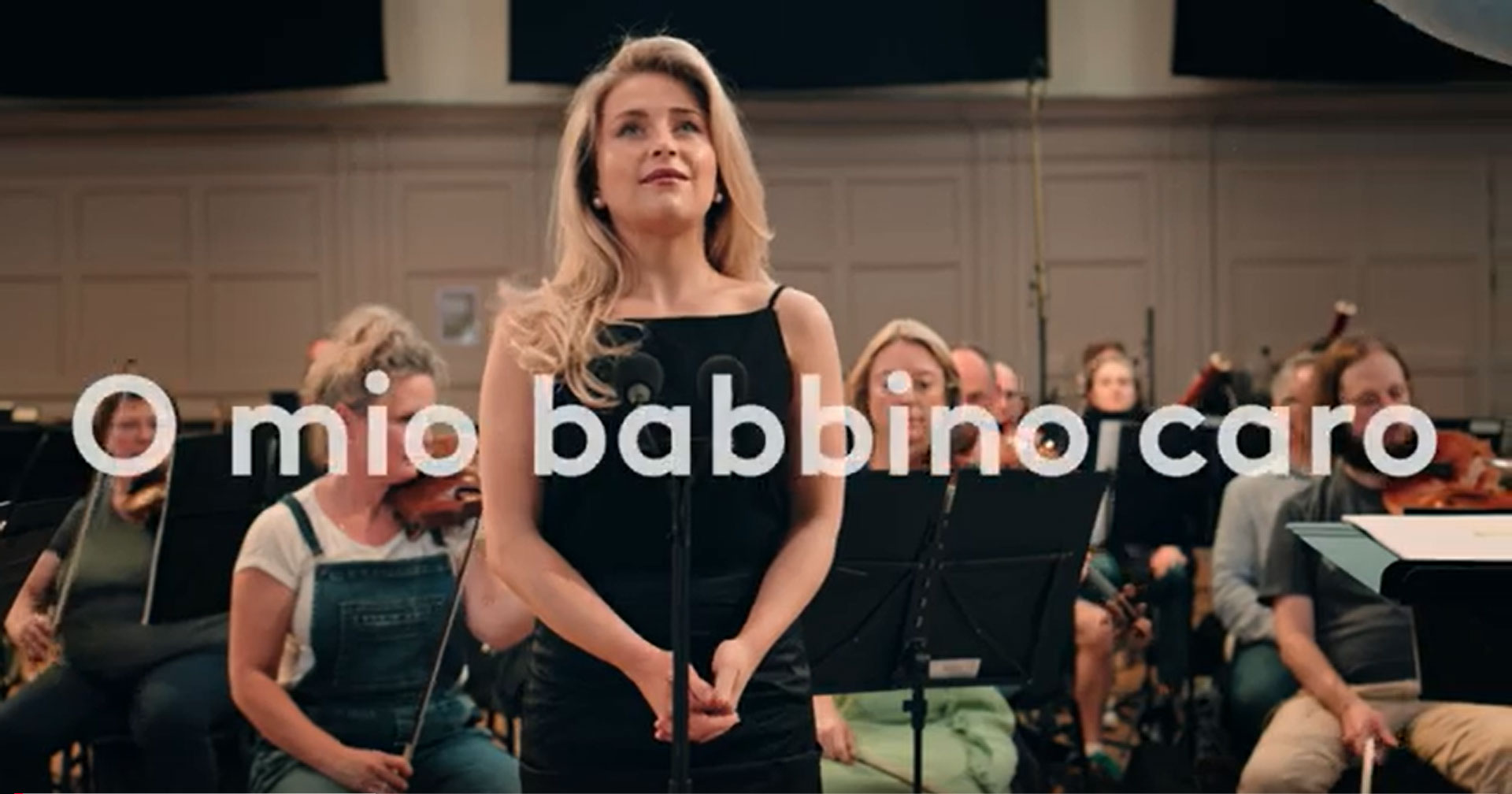
One of the most iconic opera songs ever written ‘O mio babbino caro’ (O my beloved papa) is a soprano aria that features in Puccini’s one-act opera Gianni Schicchi written in 1918.
Gianni Schicchi is a comic opera set in Florence. The story is inspired by Dante’s Divine Comedy. Buoso Donati, a patriarch of a wealthy family dies and leaves his fortune not to his family but a local monastery. Gianni Schicchi offers to ‘help’ the family get their inheritance.
‘O mio babbino caro’ is sung by Schicchi’s daughter Lauretta, as she tells her father about the love that she has for Rinuccio, one of Donati’s relations.
Nessun Dorma – Turandot
Unquestionably an operatic masterpiece, ‘Nessun dorma’ is one of the most famous songs in opera. The aria is from Act 3 of Puccini’s 1926 opera Turandot.
In Puccini‘s opera, set in China, the Princess Turandot has sworn no man shall marry her unless he can correctly answer three riddles. Prince Calaf, who has fallen for Turandot, solves the riddles, but wants to set the Princess her own challenge.
This iconic aria became a pop culture hit in the UK when the broadcaster BBC paired Pavarotti’s recording of the song with their Italia 1990 (Men’s football) World Cup coverage, leading it to hit number 2 in the UK charts nearly 20 years after its initial release.

Quando me'n vo' (Musetta's Waltz) – La bohème
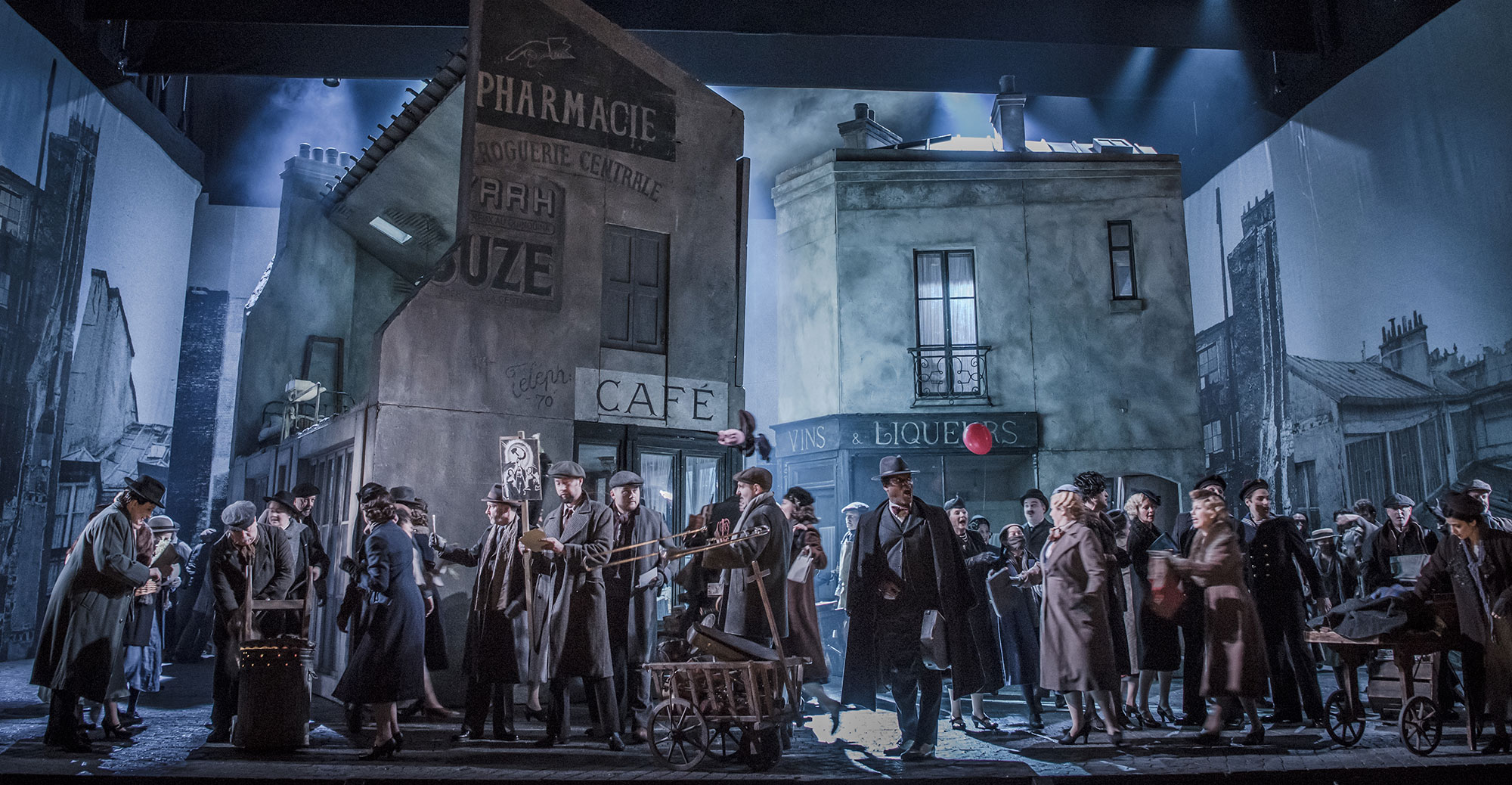
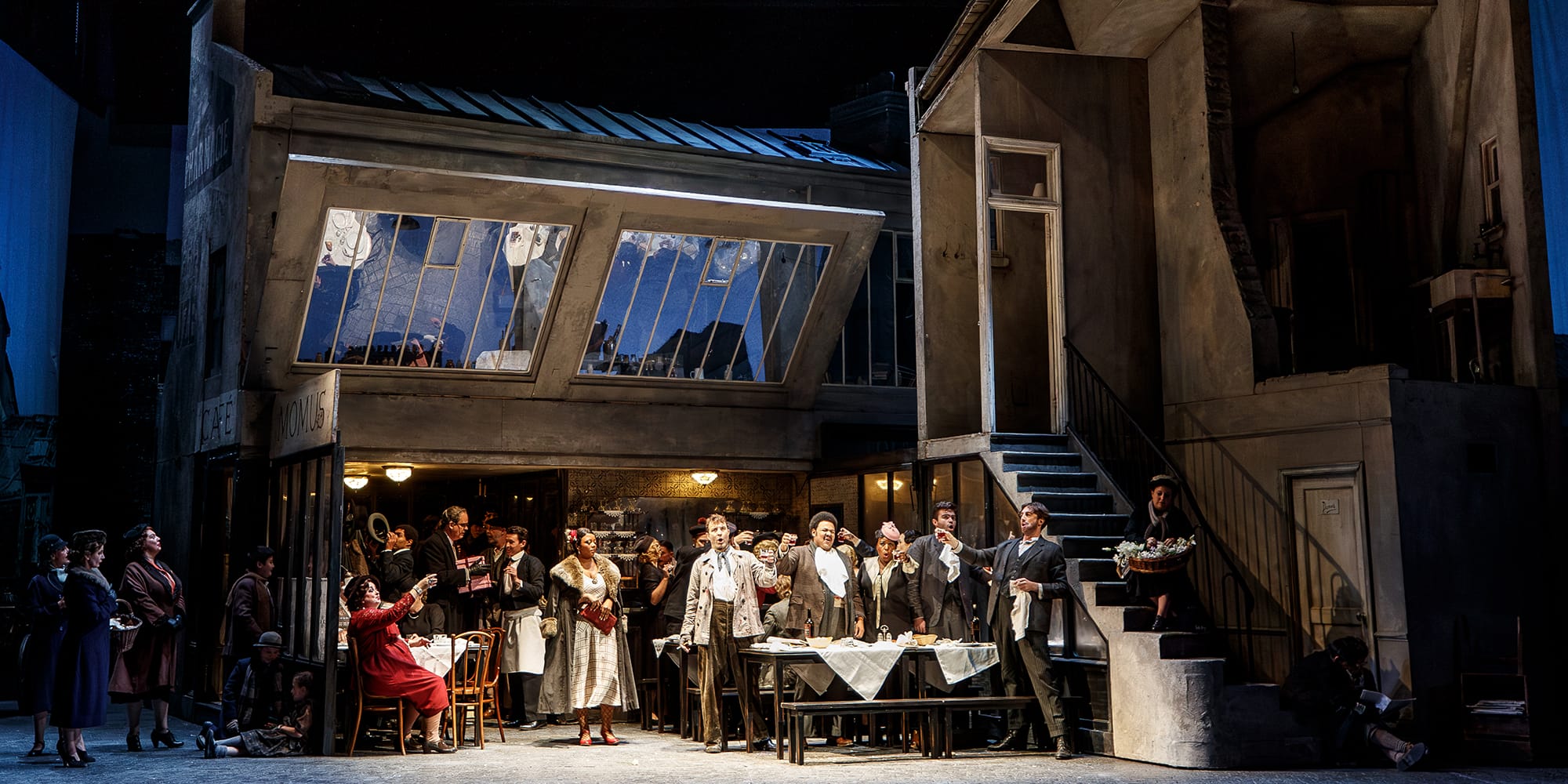
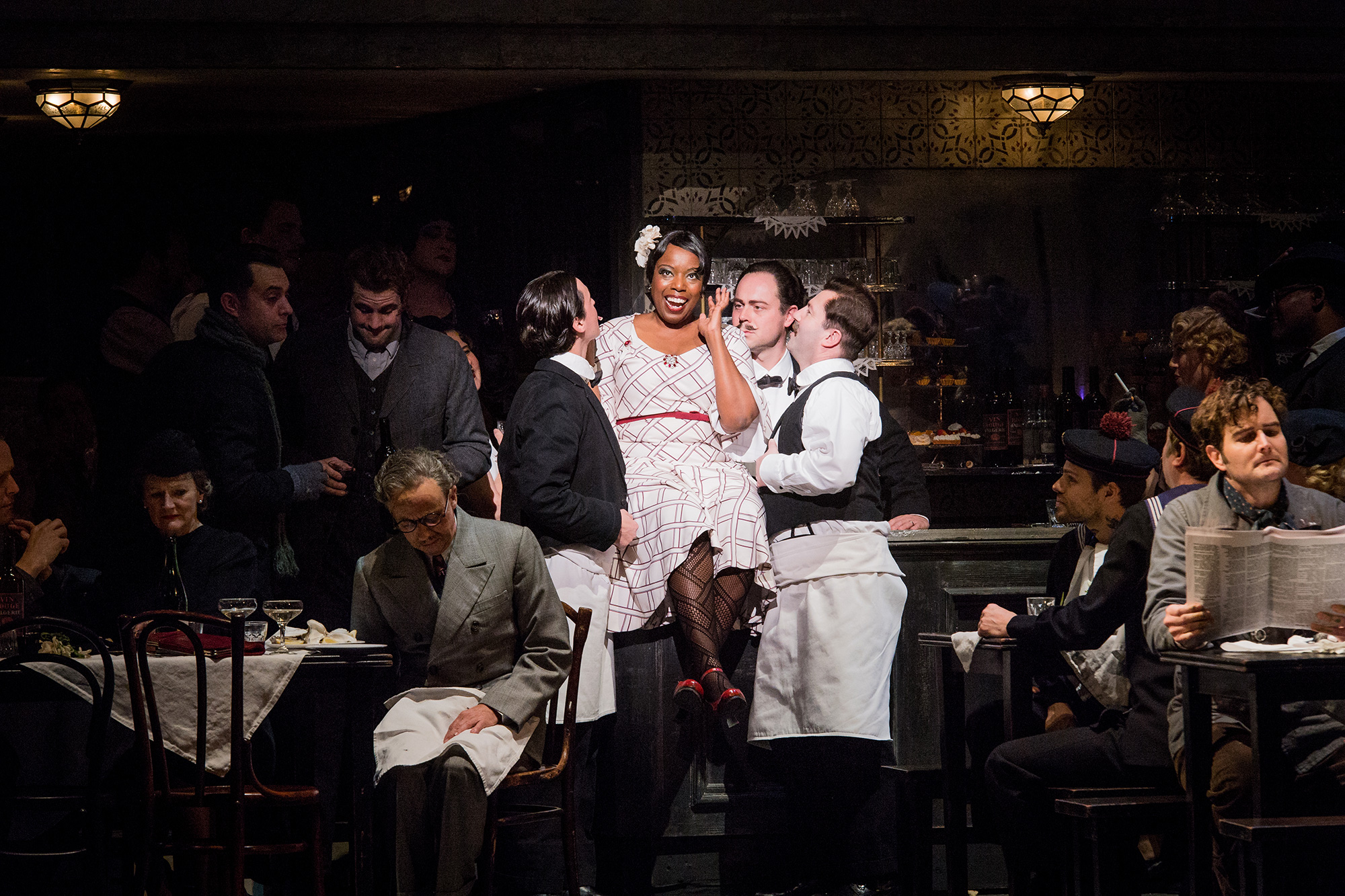
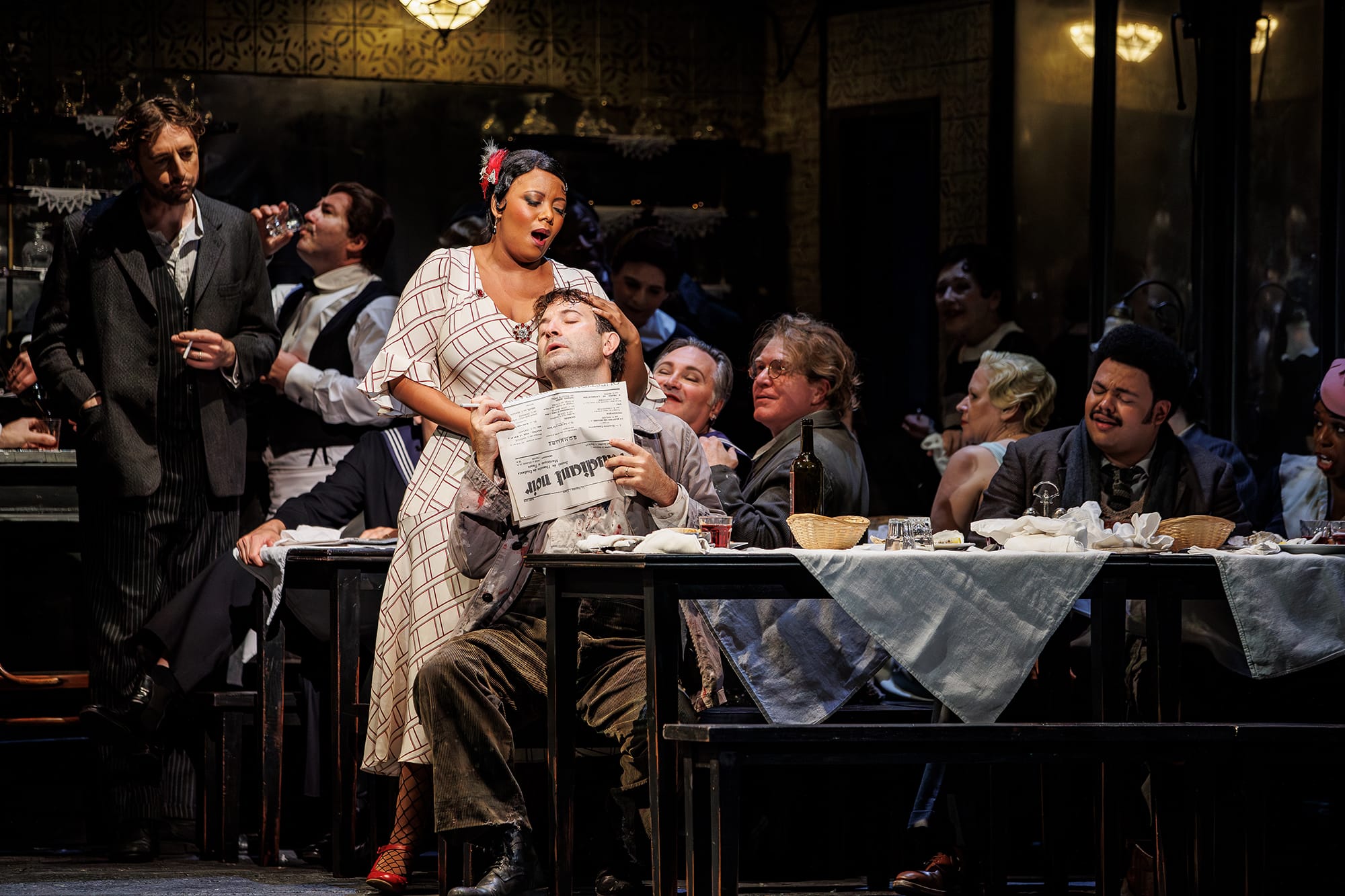
Quando me’n vo’ known as Musetta’s Waltz is an aria from Act 2 of La bohème.
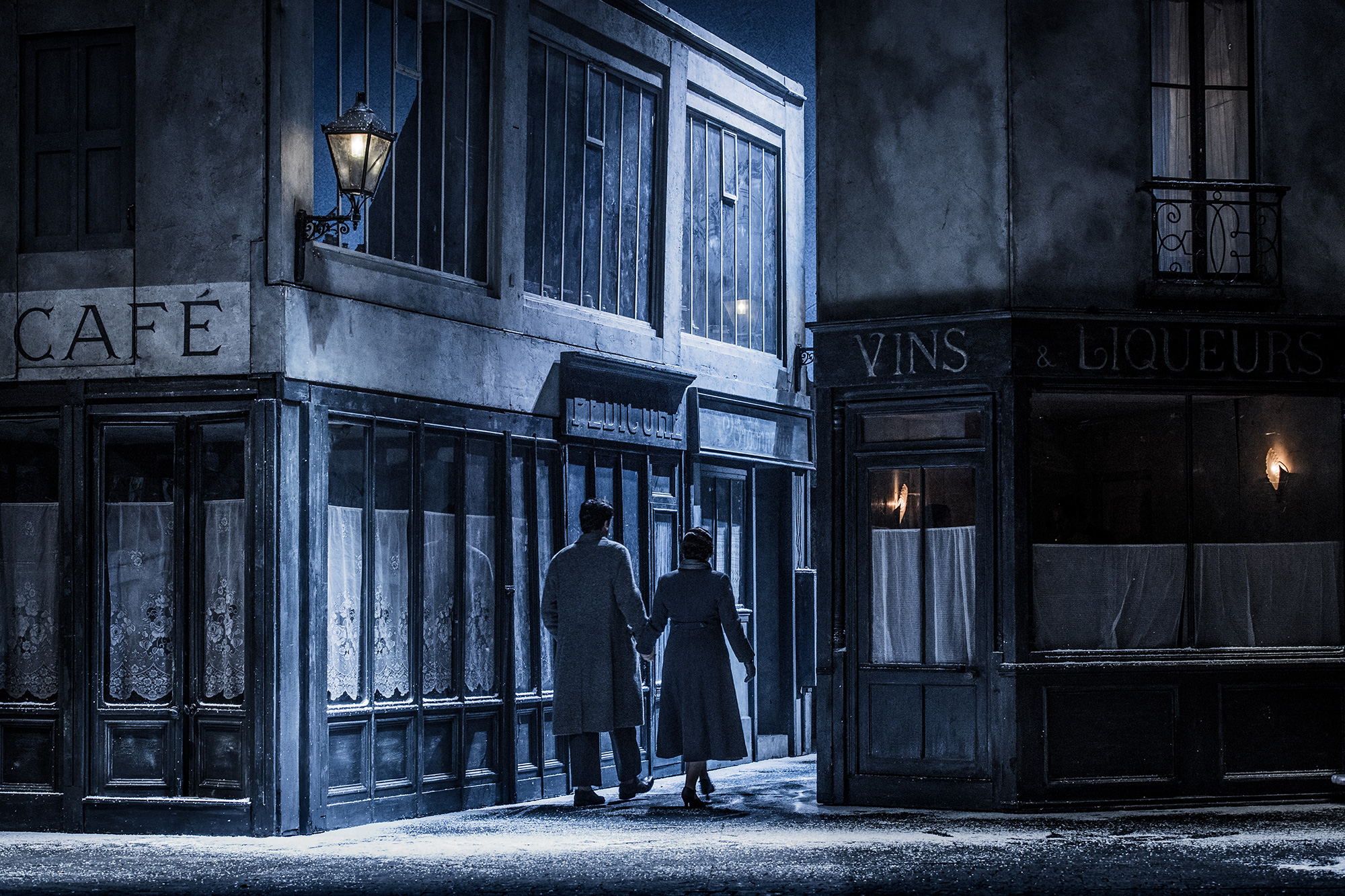
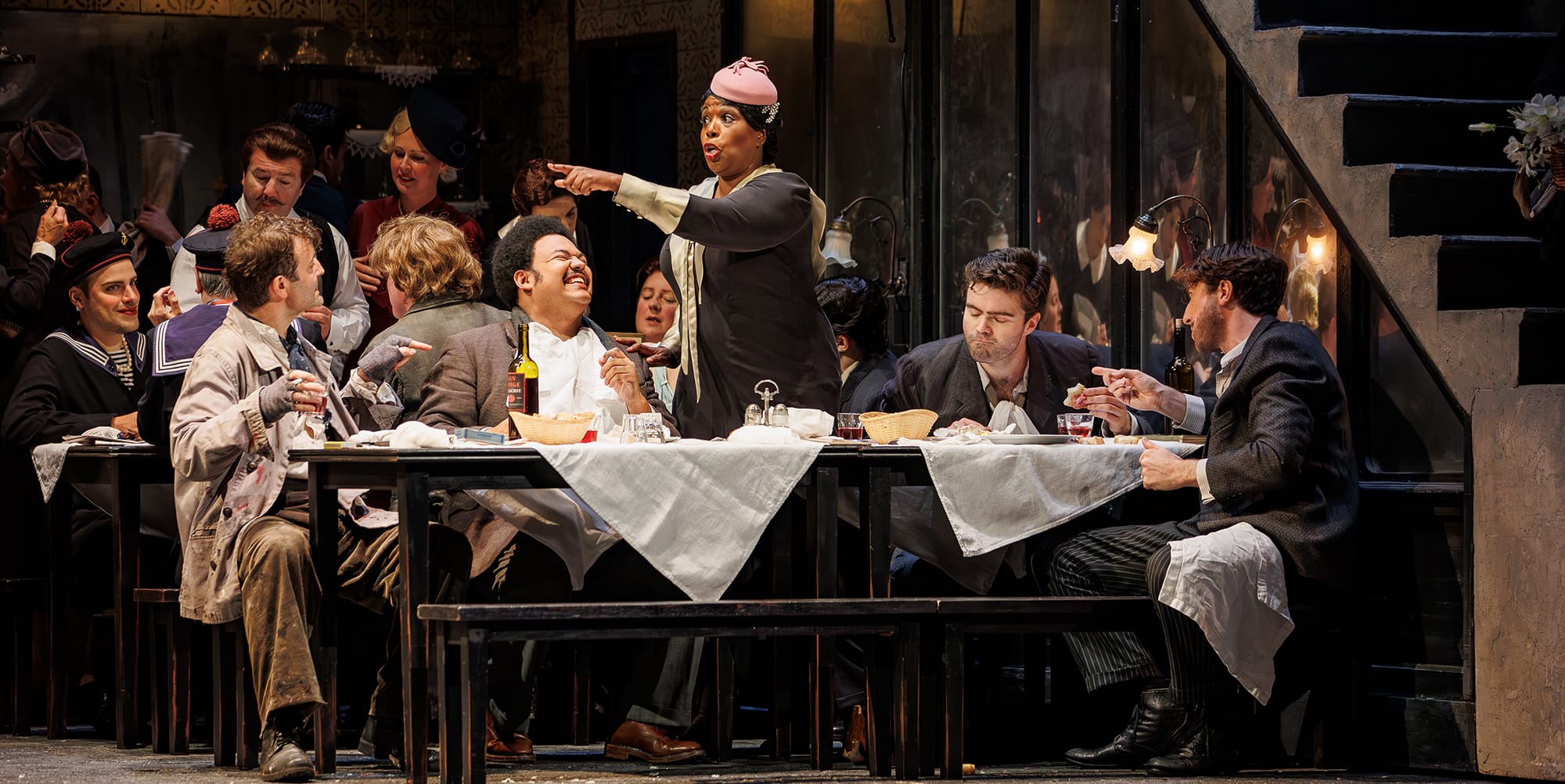
La bohème is one of the most famous operas ever written, following the story of two young, bohemian lovers in Paris. Written in 1893, composer Puccini set his opera some seventy years earlier, placing his characters in 1830s Paris.
Musetta sings the aria hoping to catch the eye of Marcello her on-off-boyfriend in Cafe Momus. She is there with her new patron and sees that Marcello is there with his bohemian friends.
Che gelida manina – La bohème
Che gelida manina (Your tiny hand is frozen) is a tenor aria from Act 1 of La bohème. The aria is sung by the lead male character Rodolfo when he first meets Mimì, the lead female character.
Set in 19th-century Paris, La bohème is about the lives of a group of struggling young artists. In the opera, the lovers first meet when Mimì knocks on Rodolfo’s door. She is weak and faints in front of him. Rodolfo revives her and helps her to look for the key that she has dropped. In the darkness, their hands touch and he sings ‘Che gelida manina’ to her and they fall in love almost instantly.
This aria is one of the best known and probably most recorded tenor aria in all of opera. The famous tenor Enrico Caruso was one of the first to record the aria in 1906.
More about La bohème
An Introduction to La bohème
Who’s Who, What’s What: Five Common Questions about La bohème Answered
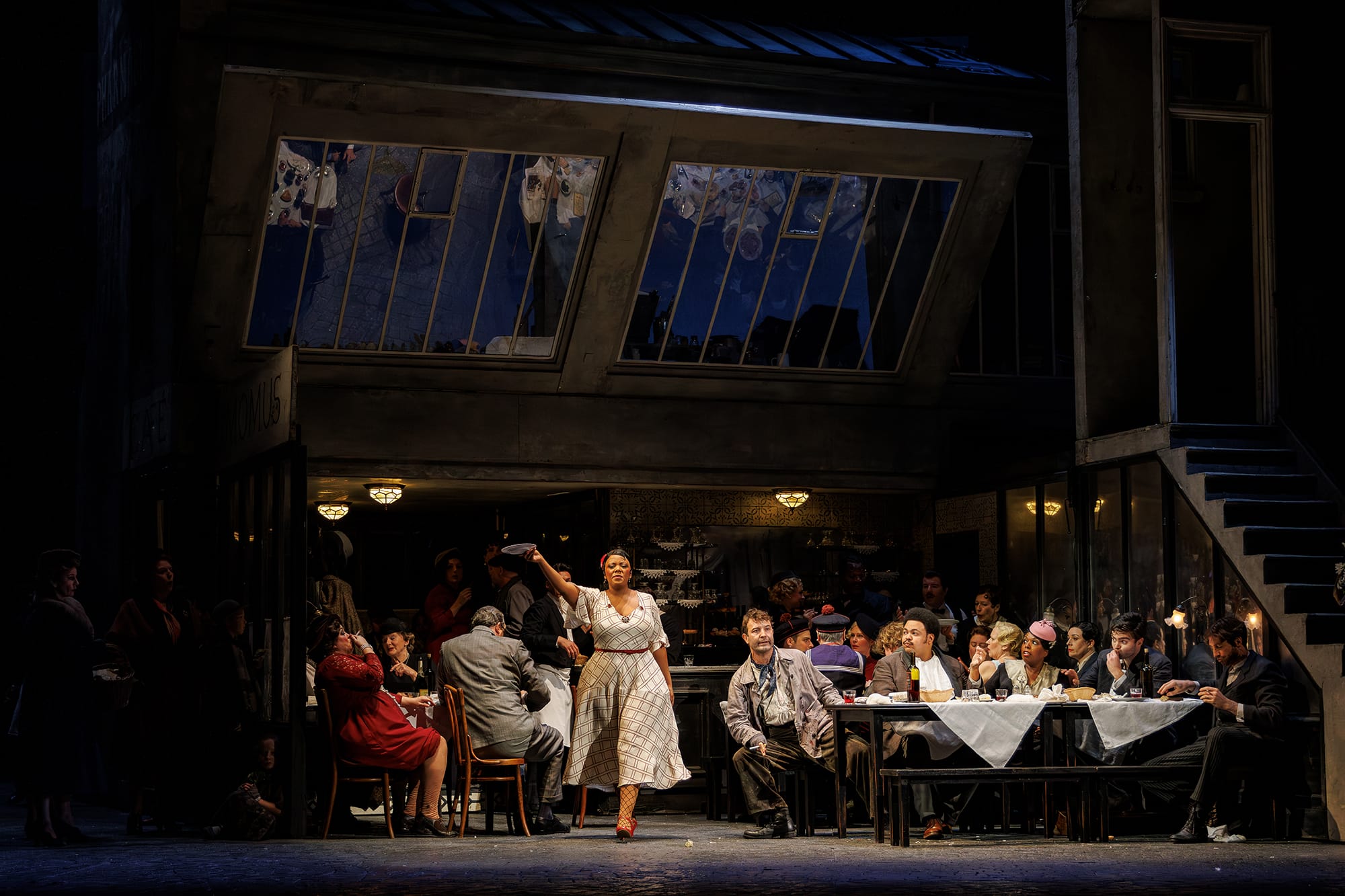
La bohème in pop culture
Senza mamma - Suor Angelica
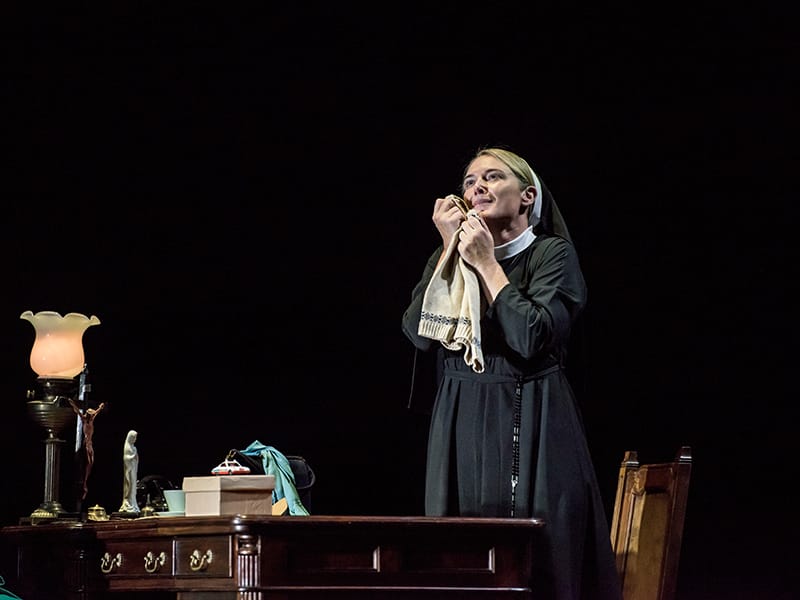
The story of Suor Angelica is one of a young, unmarried mother separated from her child by her aristocratic family and confined to a convent.
The most famous song from Suor Angelica is the aria ‘Senza mamma’ (‘Sweetest love, you died without your mother’), which is one of the most poignant Puccini ever wrote.
Listen to our Puccini Playlist
We’ve put together a Puccini playlist on Spotify for you to keep listening to. It features great opera singers including Maria Callas, Luciano Pavarotti, Kiri Te Kanawa and Jonas Kaufmann and many more singing the great arias from Puccini’s operas.
Puccini Arias FAQs
Puccini wrote 12 operas in total. He also wrote orchestral pieces, piano pieces, chamber music, mass and art songs.
La bohème, Tosca and Madama Butterfly are usually considered Puccini’s most famous operas.
Other of his notable operas include La Fanciulla del West, Turandot and Manon Lescaut.
Today, Nessun Dorma is probably the most famous opera song written by Puccini. Nessun Dorma (in English, “None shall Sleep”) is an aria from the opera Turandot.
Turandot was written in Italian by Giacomo Puccini in 1926 and it premiered after his death
More about Puccini

Giacomo Puccini
The Beginner’s Guide to Puccini