Tell us about ENO's 26/27 season
Annilese Miskimmon: This season has something for everyone including productions that will inspire audiences to reach beyond their immediate knowledge of opera.
This might mean going to see a piece that you don’t know, which can be absolutely thrilling. Or it might be coming to something you do know and seeing a production that has the shock of the new about it.
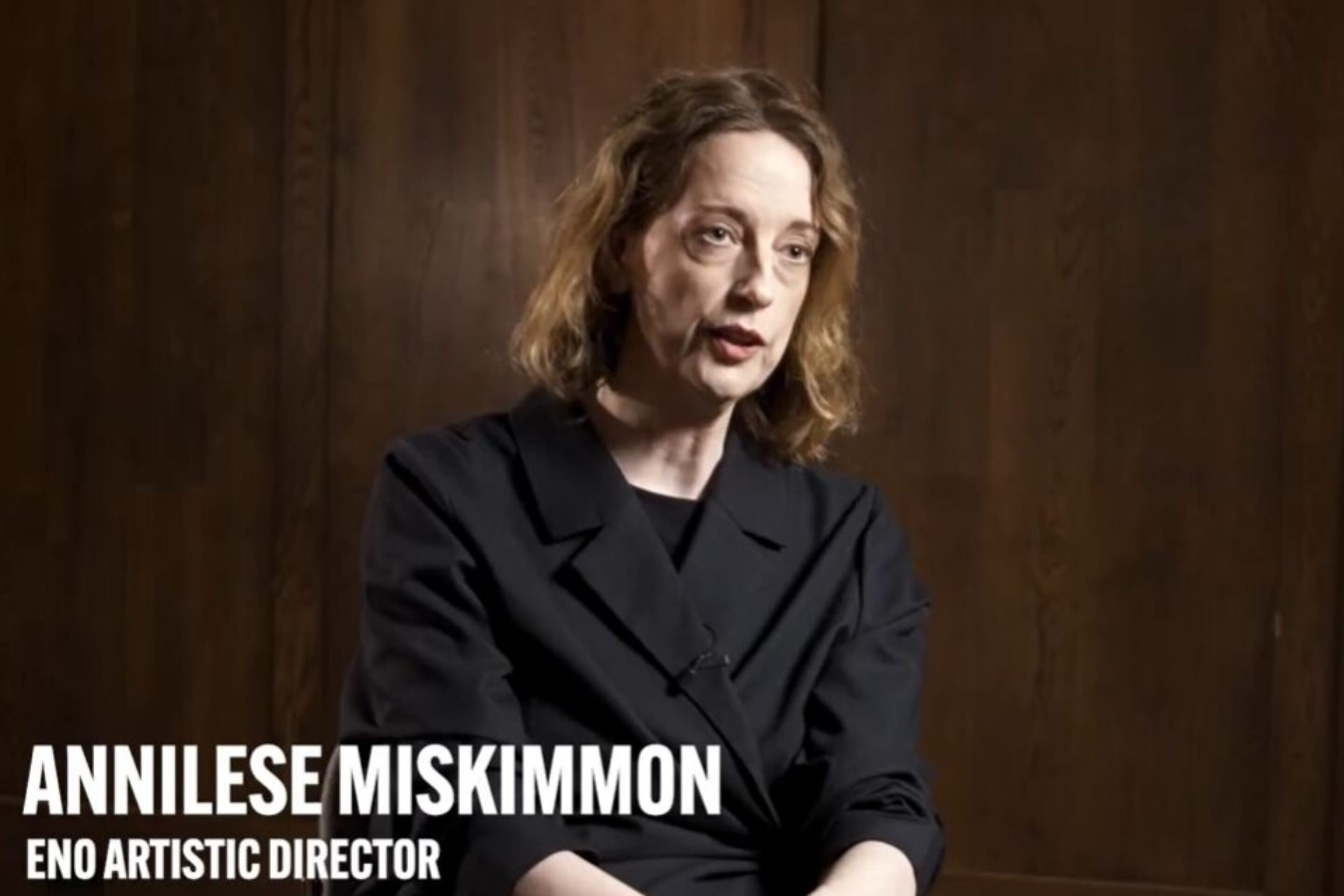
How does it feel to direct Tosca for the first time?
AM: To me, it’s [Tosca] a perfect opera. It’s such accomplished work by Puccini and his librettists, Luigi Illica and Giuseppe Giacosa.
They were theatrically minded in how they approached the operatic form. As a result, in Tosca there isn’t a wasted note or a wasted word to detract from the relentless drama. I find that absolutely thrilling.
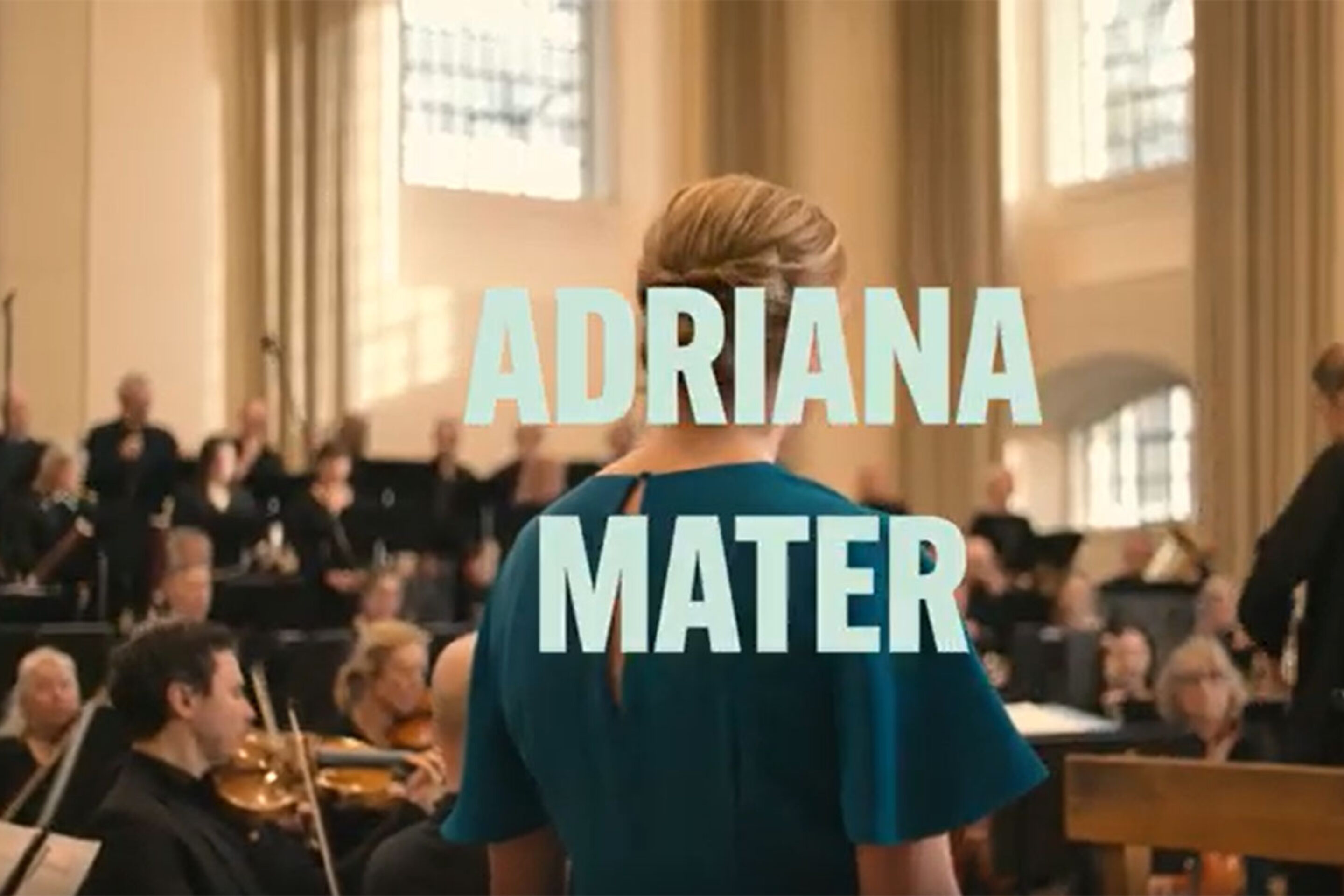
In our 2026/27 season, Tosca is the first of two works exploring how people rebuild societies after conflict. The second is Adriana Mater, in a landmark production conducted by André de Ridder.
ENO has been given permission by Kaija Saariaho’s family to present Adriana Mater, a neglected masterpiece, in English and it has been translated by her son for ENO’s use. We’re really excited about people getting to know this piece.
How did you have the idea of setting these Tosca and Adriana Mater in the same world?
AM: Often there is a expectation of female directors in opera that we will solve all the issues of the art form – its sexual politics, and prevalent depictions of female sacrifice and death.
I think there’s a way of exploring the canon that’s potentially more enriching: by presenting it alongside new work.
I’ve always felt that in Tosca, Puccini created a flesh-and-blood heroine who suffers exactly as many women suffer in real life. In Adriana Mater, Kaija Saariaho looks at a woman who goes through the same thing as Tosca: a sexual assault by a powerful military man. Both women are fighting against their fates. It was a flash of inspiration to place them in the same world.
Throughout history we see that the work that women do to rebuild societies after conflict is extremely important, yet it’s often taken for granted. Adriana Mater explores the daily work of care, of raising the next generation – which can involve men as well. It’s so important that we have space on our stages to look not just at pain, but at the positive stories that can emerge from it.
Why is ENO presenting an opera in French this season?
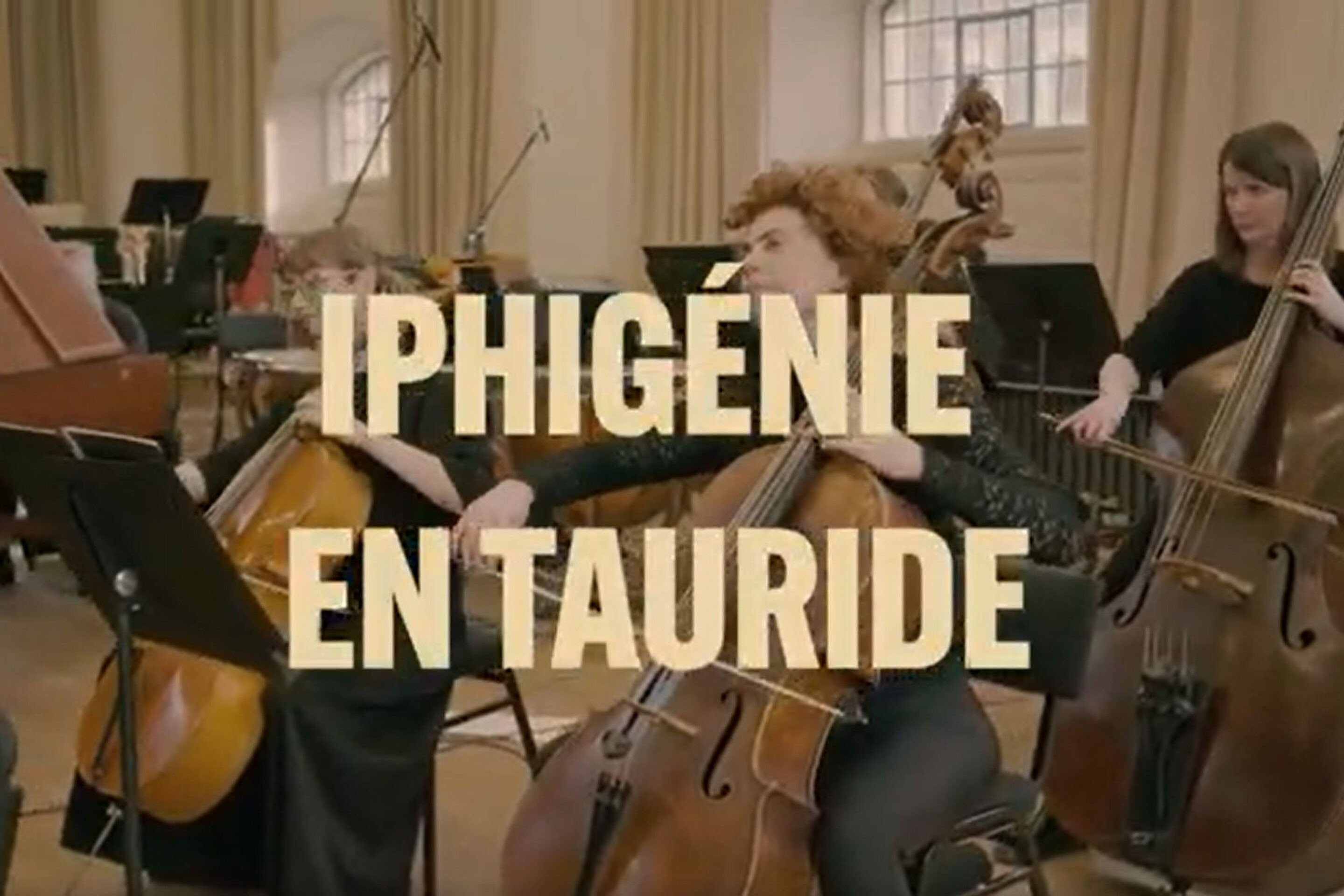
AM: Gluck’s Iphigénie en Tauride forms part of ENO’s 26/27 season. And at ENO we will always centre the use of English in what we do. However over the years there have been exceptions to that rule (in recent years Akhnaten, Symphony of Sorrowful Songs). Gluck’s piece is so rarely done and that can be an argument for hearing it in its original form.
With the international-level talents that we’re working with, sometimes we will choose to present a piece in the original language so that we can attract singers who want to undertake it again in another context.
Is it an intentional choice to programme four female and four male composers this season?
AM: Yes. Opera can’t truly reflect the human condition if half of humanity is excluded from its creation. And there are amazing artists who are female, just as there are amazing artists who are male. So how wonderful is it to have a season with an equal balance of men and women, especially in the context of an art form that excluded female composers for so long. For me, it’s so joyous to be able to present these fabulous pieces.
Tell us about ENO’s upcoming production of Missy Mazzoli’s Breaking the Waves?
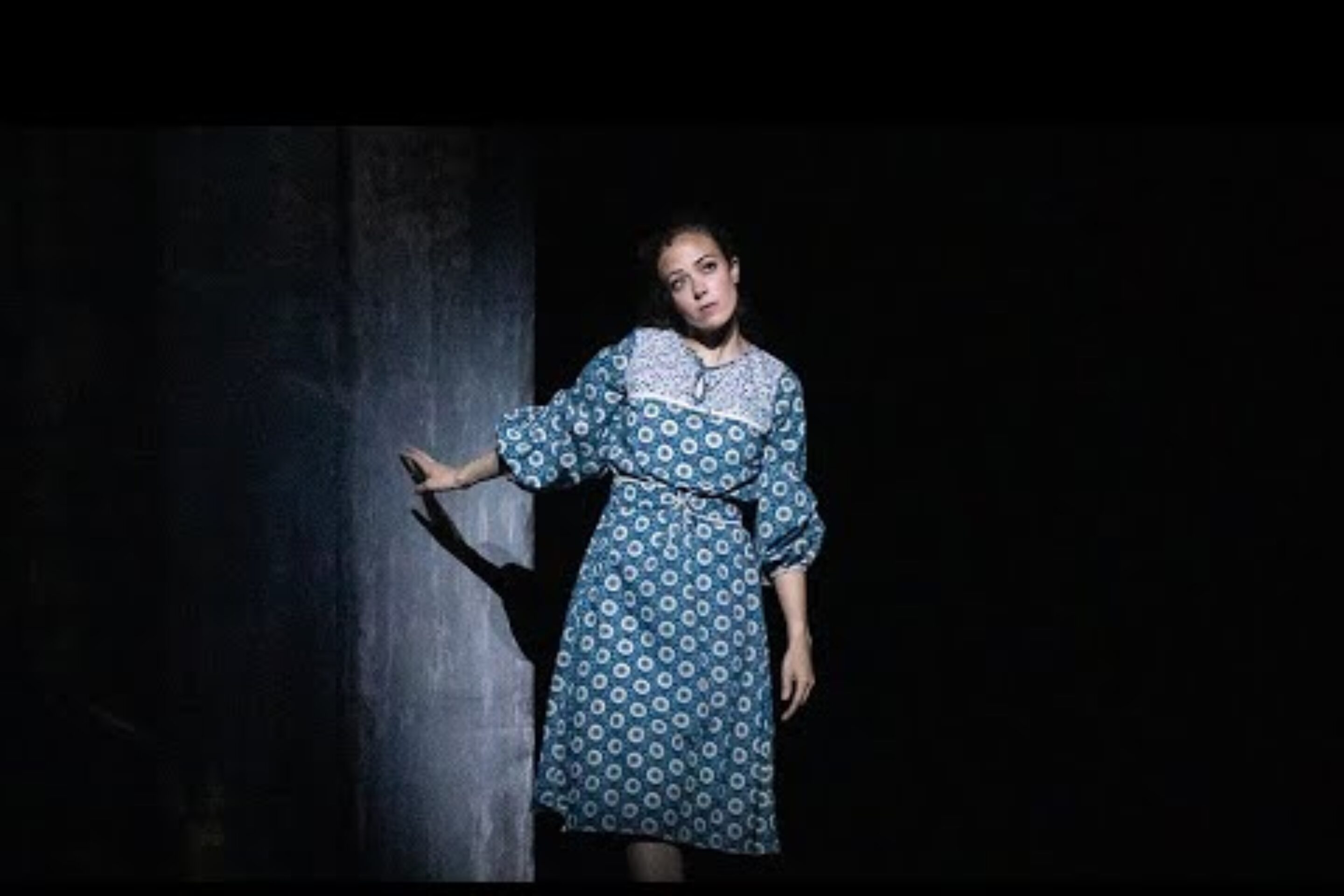
AM: Breaking the Waves is a mysterious piece about something intense and difficult, but it has at its heart a remarkable female character who undergoes an extraordinary experience.
This is a complex work that, like Angel’s Bone, represents a new generation of opera that’s confronting big issues in useful, dramatic ways.
Related Content
This Season
Which ENO Opera Should You Watch in 2026?