An overlap of story and process
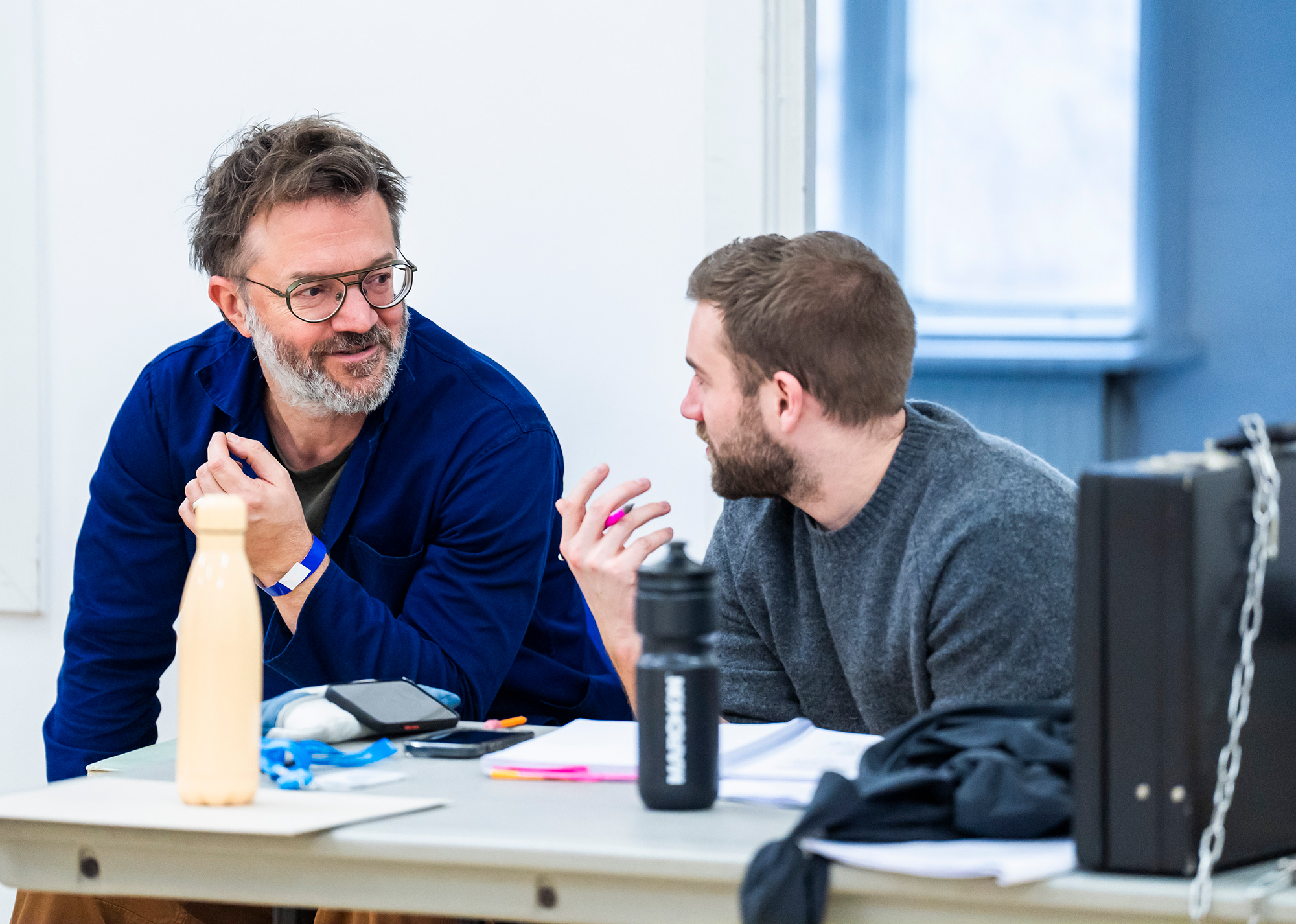
‘We found ourselves posing the same question Begbick, Fatty and Moses ask themselves,’ says set designer Milla Clarke. ‘How do you convert that blank canvas into a living, breathing world?
Of course, they’re asking from a cynical, hedonistic viewpoint and we’re trying to work out how to stage an opera with intricate storylines – but there’s a nice overlap of their story and our process. We’re both trying to turn our imagination into reality.’

‘The opera is a beast of a piece with so many questions of how to go about it. But you start with the where, the when and the why and build it from there.’Jamie Manton, Director of Rise and Fall of the City of Mahagonny
On the staging
‘They arrive in a vast lorry,’ says Milla. ‘We thought, “what if we use that to bring everything we’re going to use on stage, and bring it all out from this one unit?”
It would be like opening Pandora’s Box –we see the whole world of infinite possibility unbox, and then unravel, as this whole world destroys itself visually.’
The dark nature of this opera
‘His intention was to put up a dark mirror to society,’ says Jamie, ‘and this is fundamentally a very unsettling piece about corruption and the abuse of power.
There’s a lyric at the end of the first act: “Don’t let hope deceive you, an easy mistake to make. There is no hope, no glimmer, the light grows ever dimmer and dawn will never break.” That’s very bleak.’
And its dark nature does resonate with current world events, believes Milla. ‘The abuse of power does seem to be such a theme at the moment,’ she adds. ‘So yes, this does feel like a mirror – although some people watching will think one way and some will think another.’
On a modern audience
In an imagined world of such cynical, exploitative hedonism, one of the challenges for the creative team is deciding where to put the boundaries, says Jamie. ‘It’s working out where the line is, and what parts of a 1930s piece to reinterrogate or reinterpret for a modern audience.’
One such area is the characters of the sex workers. ‘Previous versions of this opera have included the old aesthetic of women in garters,’ adds Milla. ‘The whole issue is still complex and problematic today, but our version of Jenny’s women see themselves as more empowered, doing a job that caters to the specific needs of individuals.’ The sex workers in this version also include male dancers and, says Jamie, ‘it’s not just men buying sex – sopranos and mezzos are involved too. It neutralises it all, and is more reflective of the world we live in now.’
On Collaboration
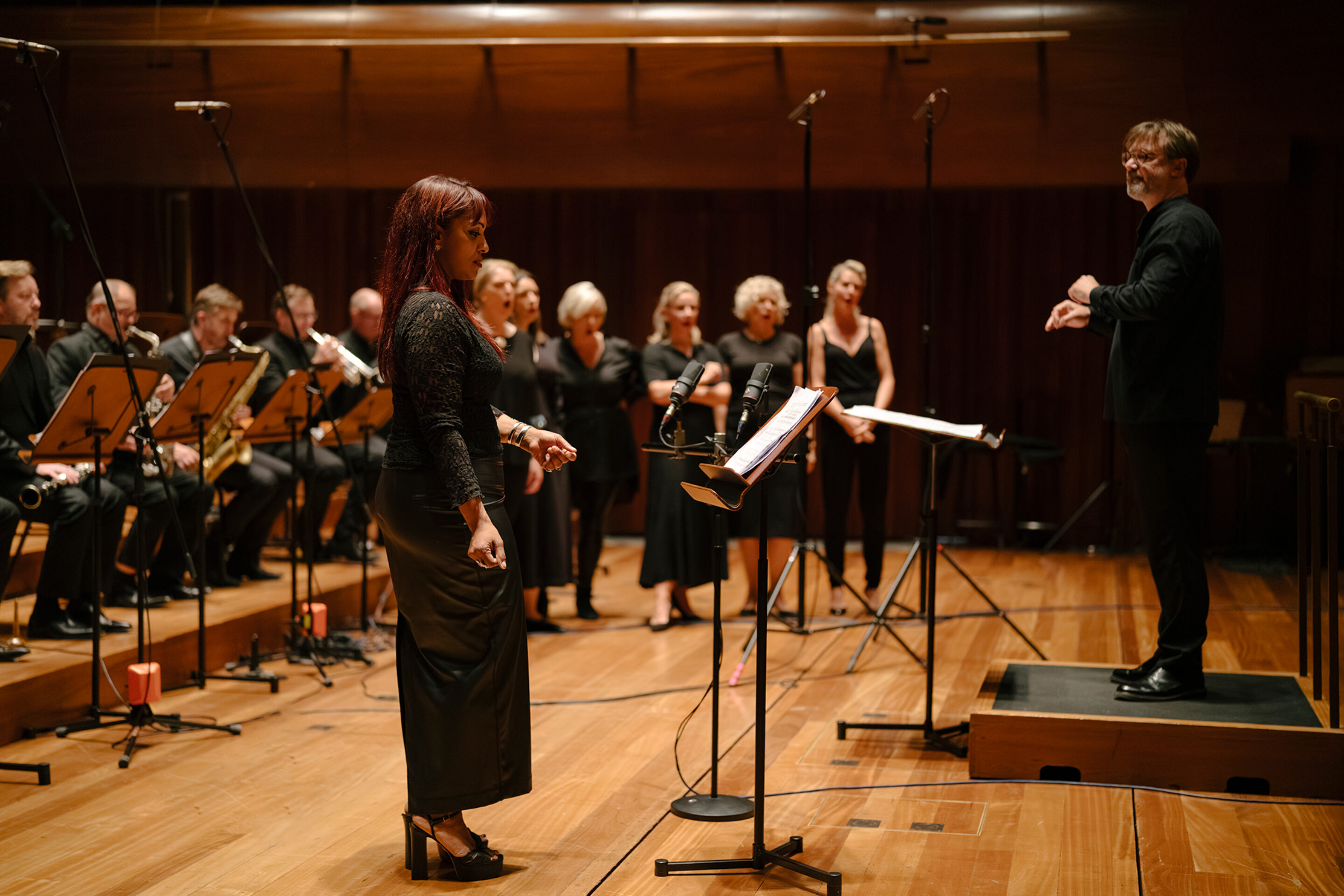
This is Jamie and Milla’s fourth collaboration, and their third with the ENO, having met on the company’s Studio Live programme, which enabled young creative talents to take the helm of smaller productions.
‘There – obviously – aren’t huge numbers of opportunities for young directors,’ says Jamie. ‘I’d done assistant and associate director work but ENO Studio Live gave me my first professional director credit. I wouldn’t have had the career I have without it.’
‘It was a fantastic opportunity,’ adds Milla, ‘doing small semi-staged work with the brilliant interaction with incredible, supportive artists and makers.
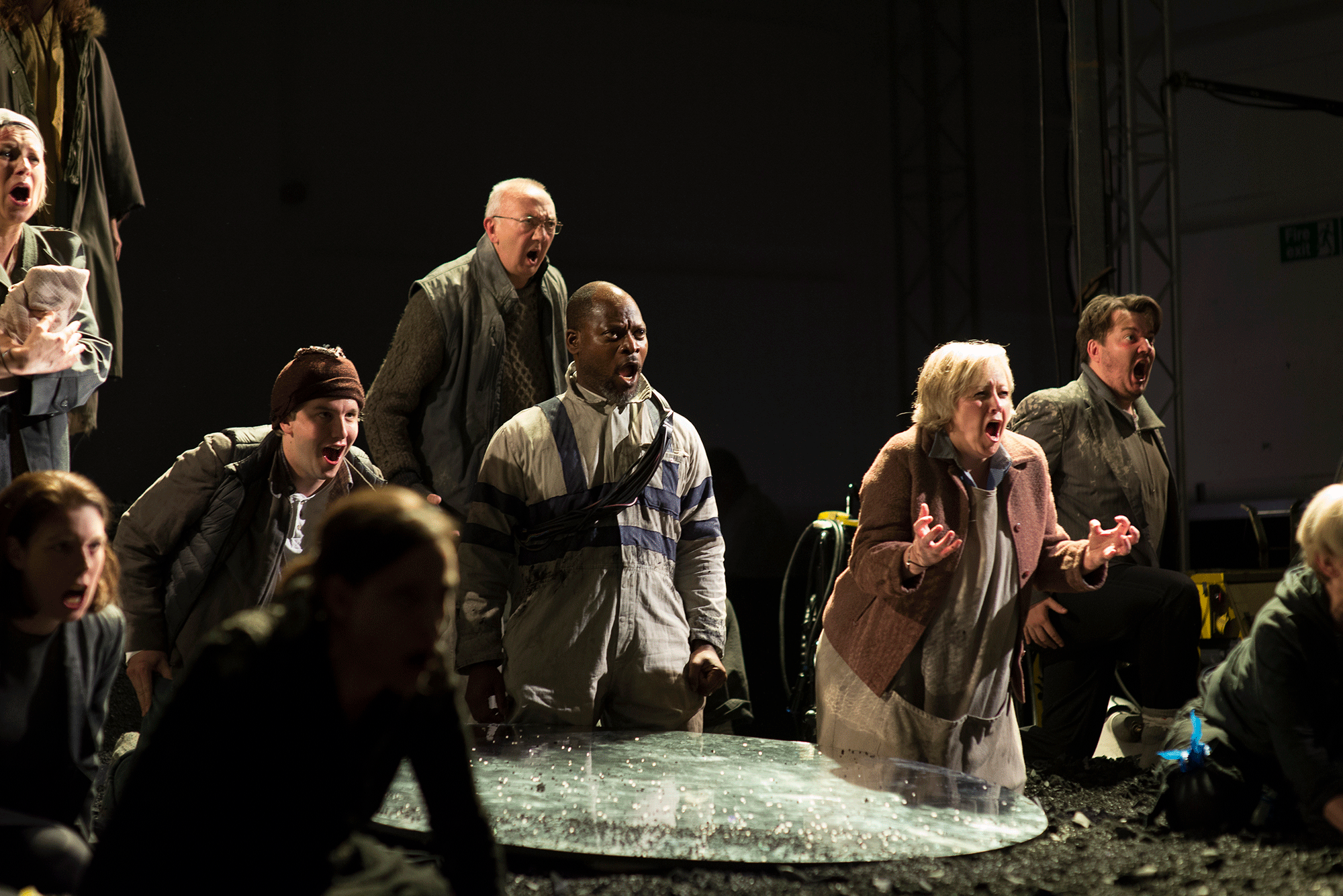
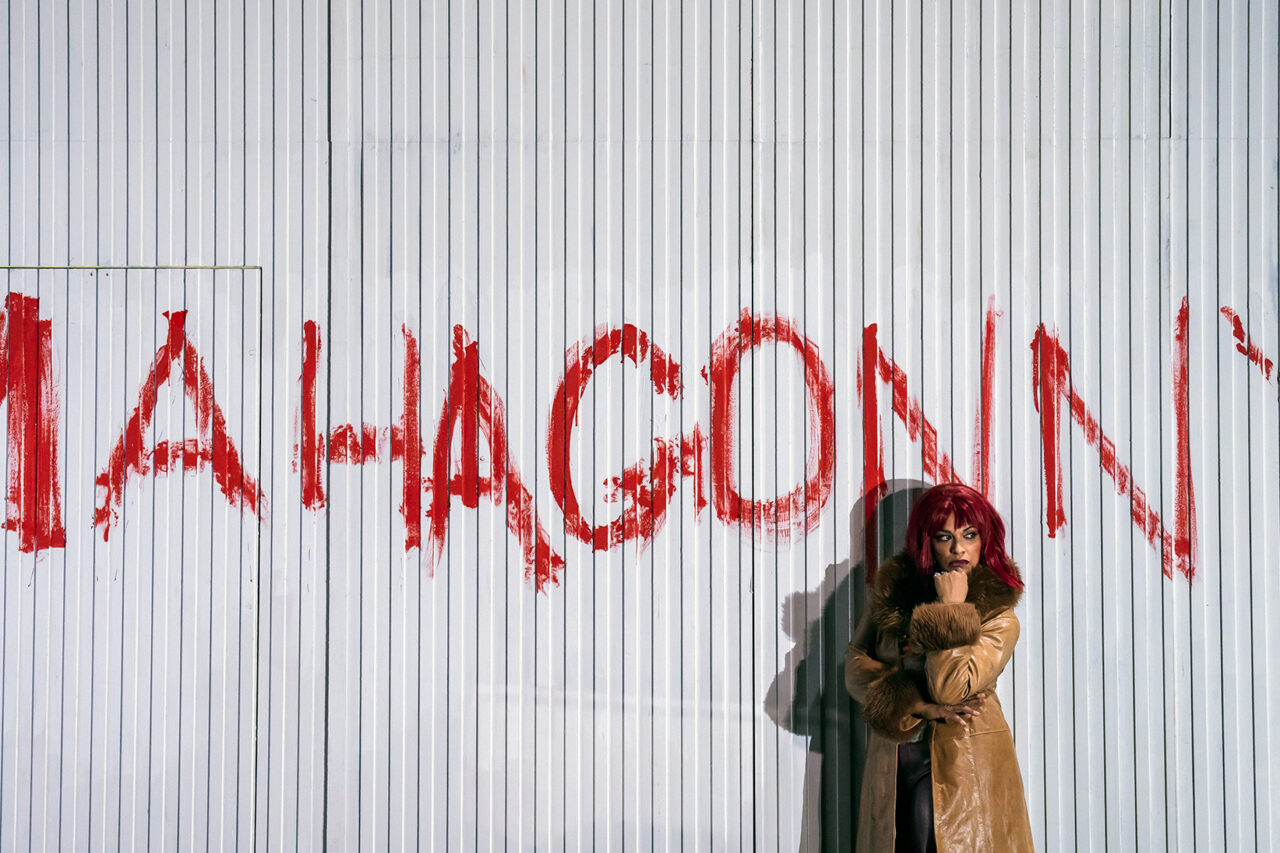
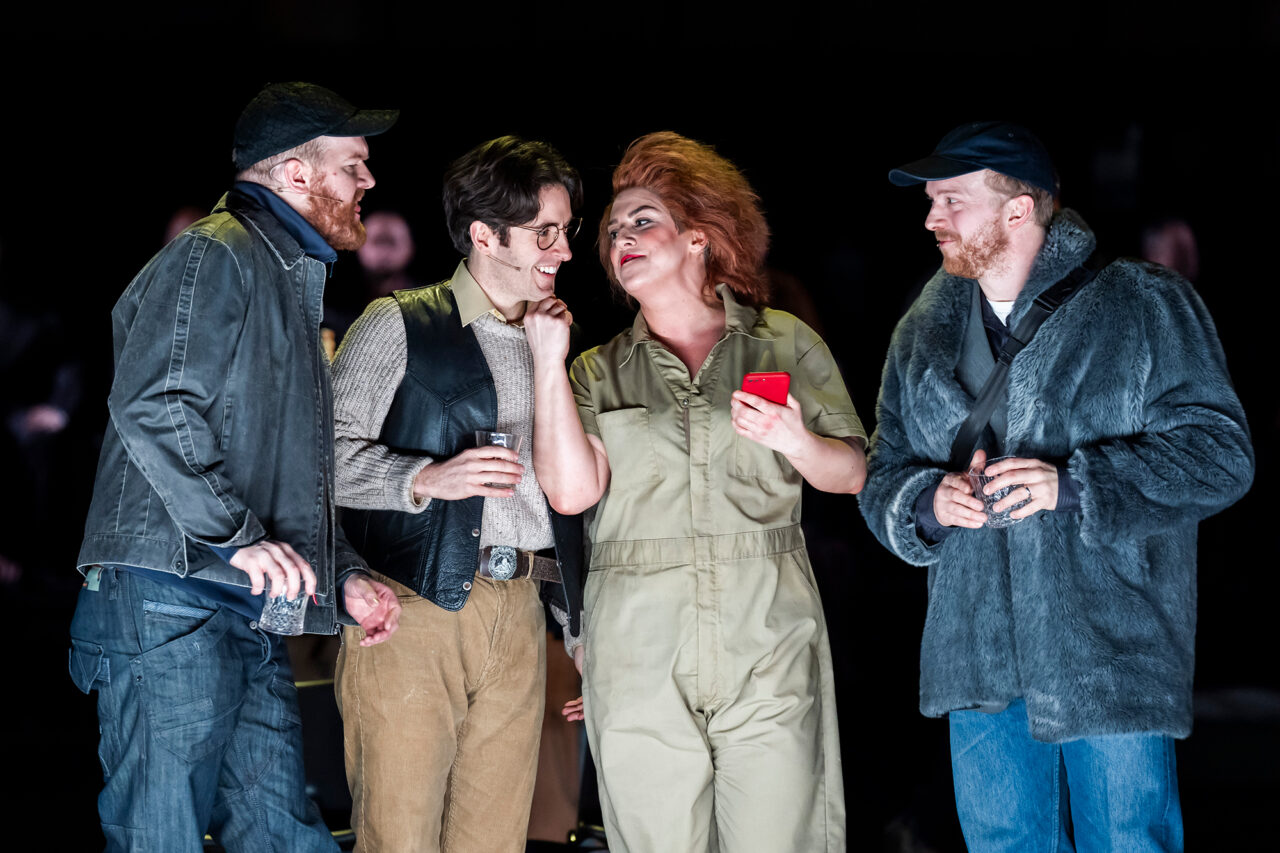
Images from Rise and Fall of the City of Mahagonny
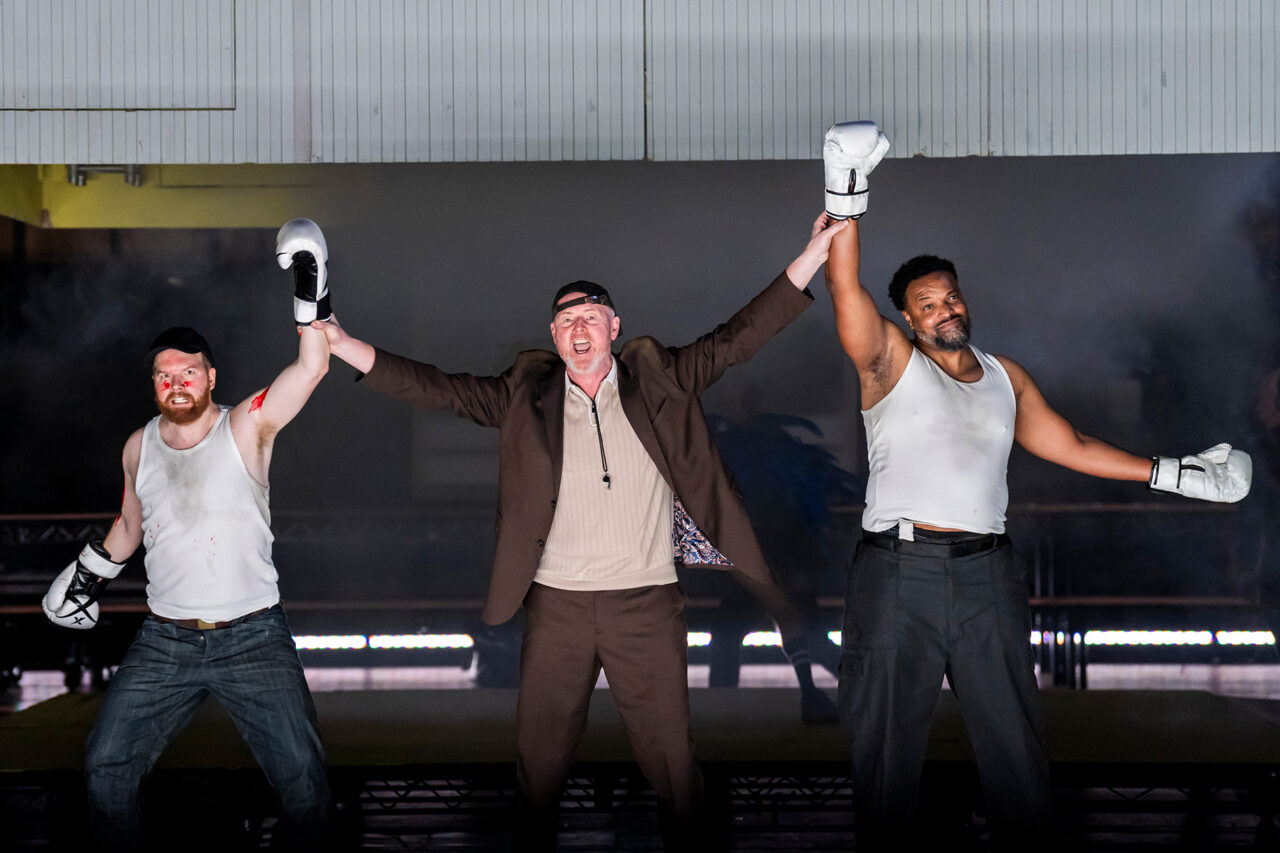
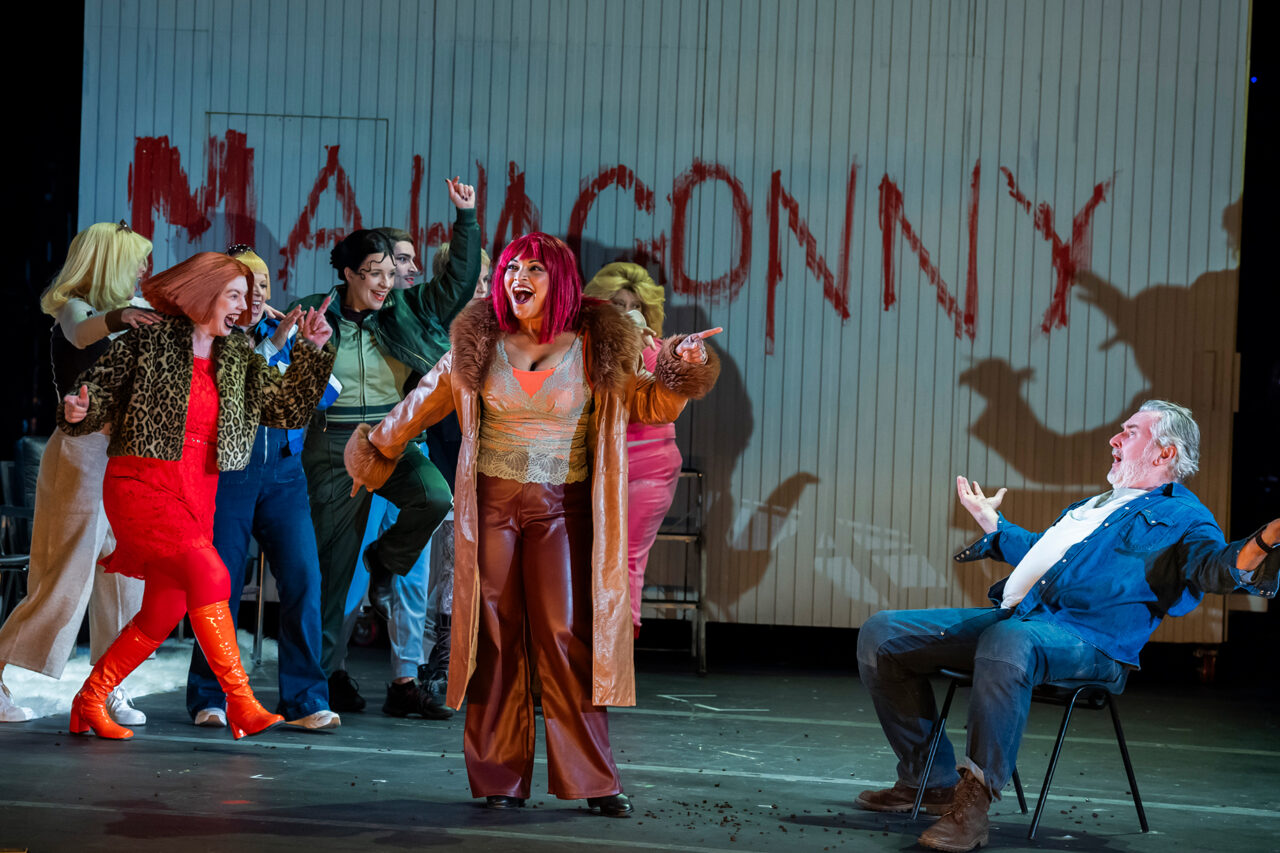
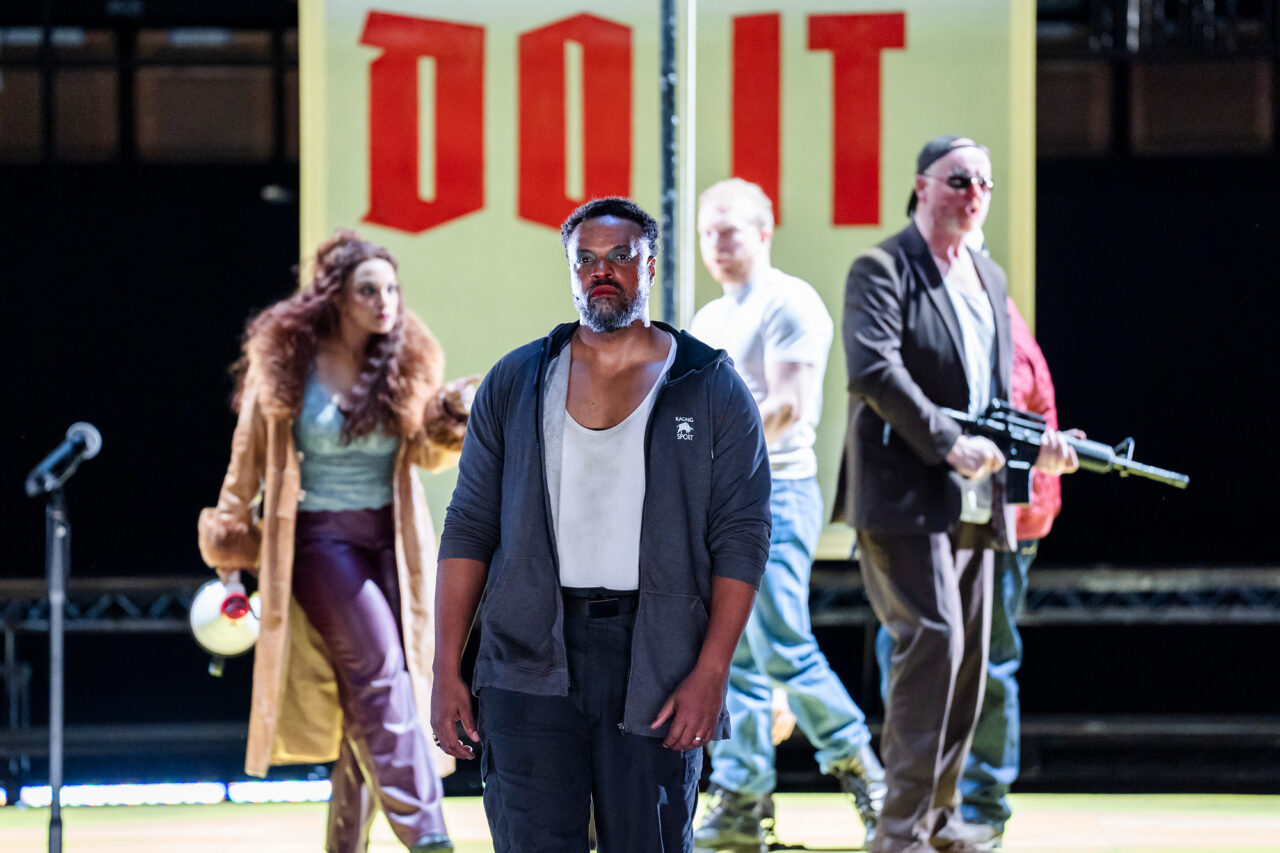
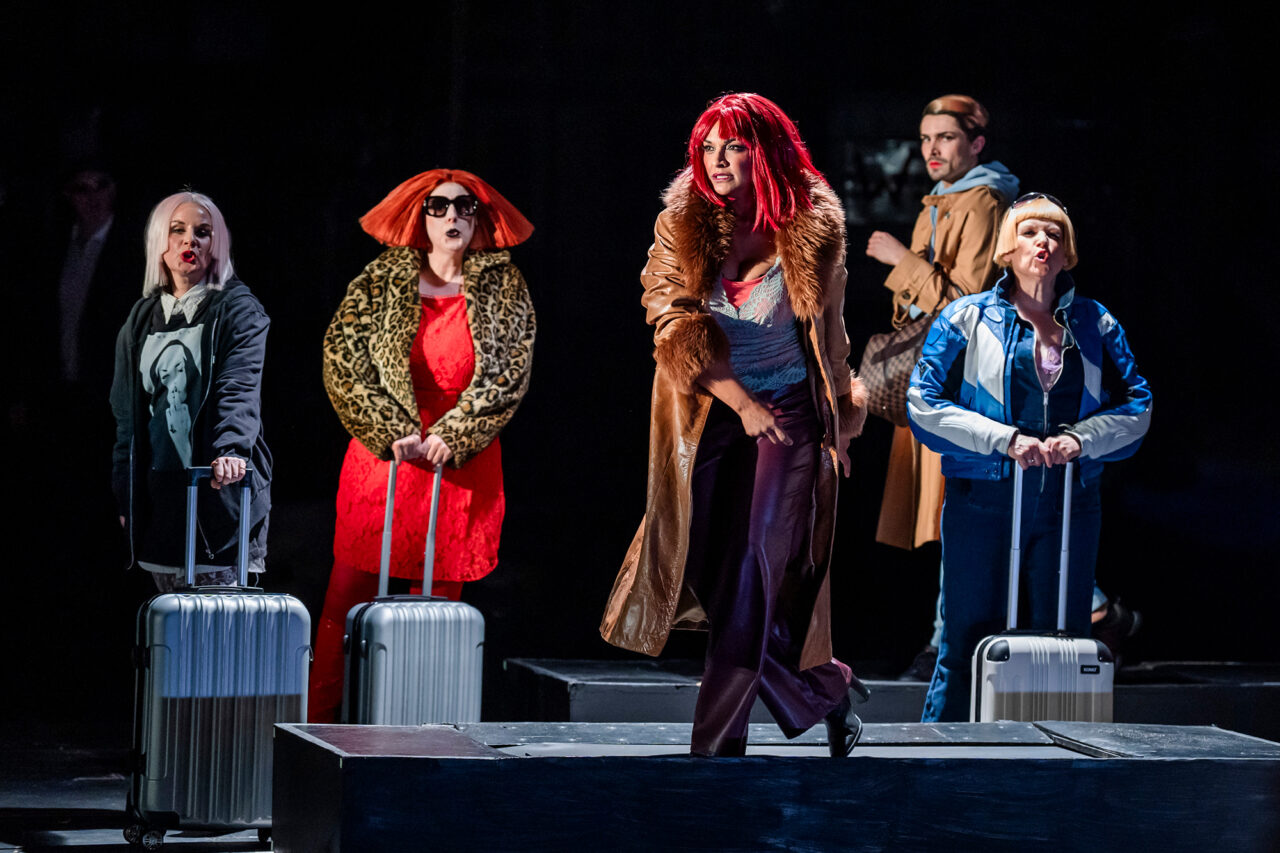
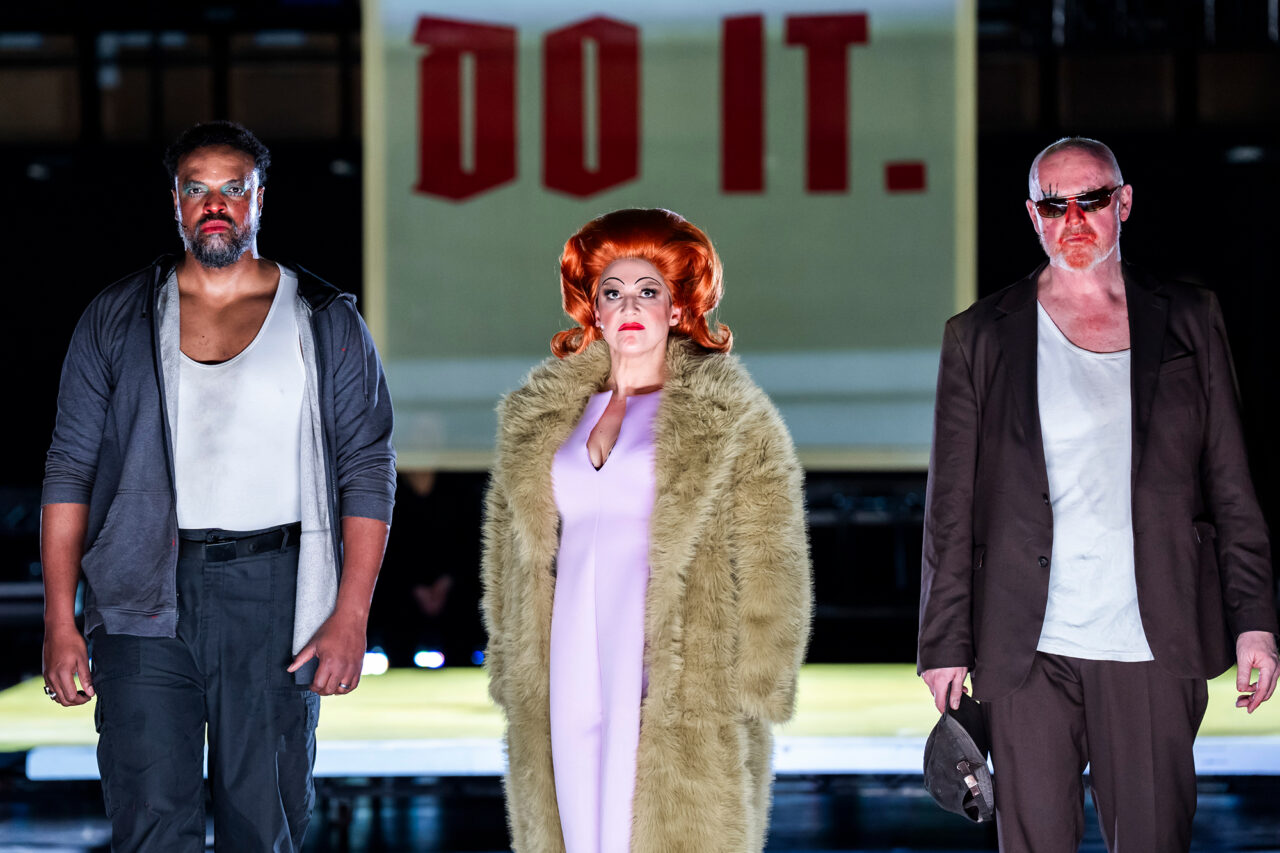
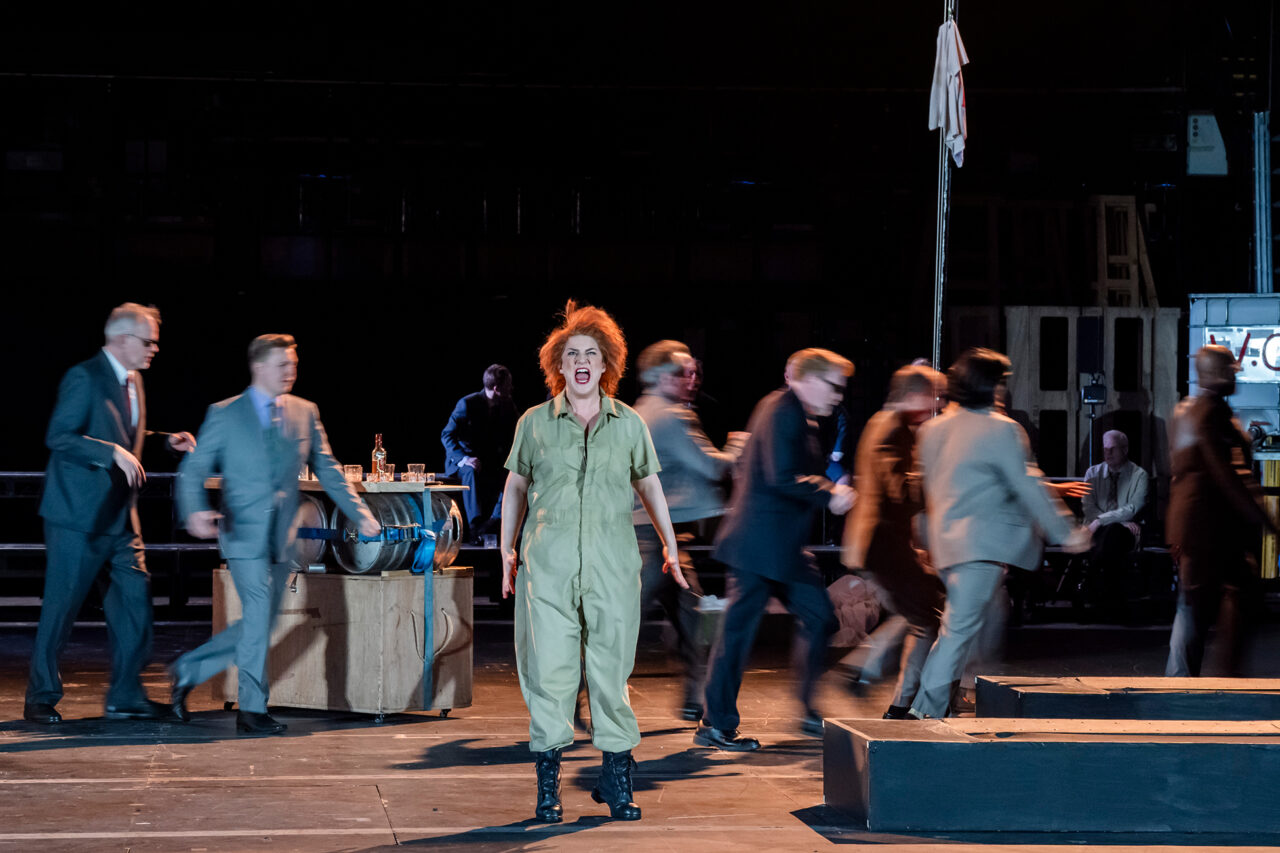
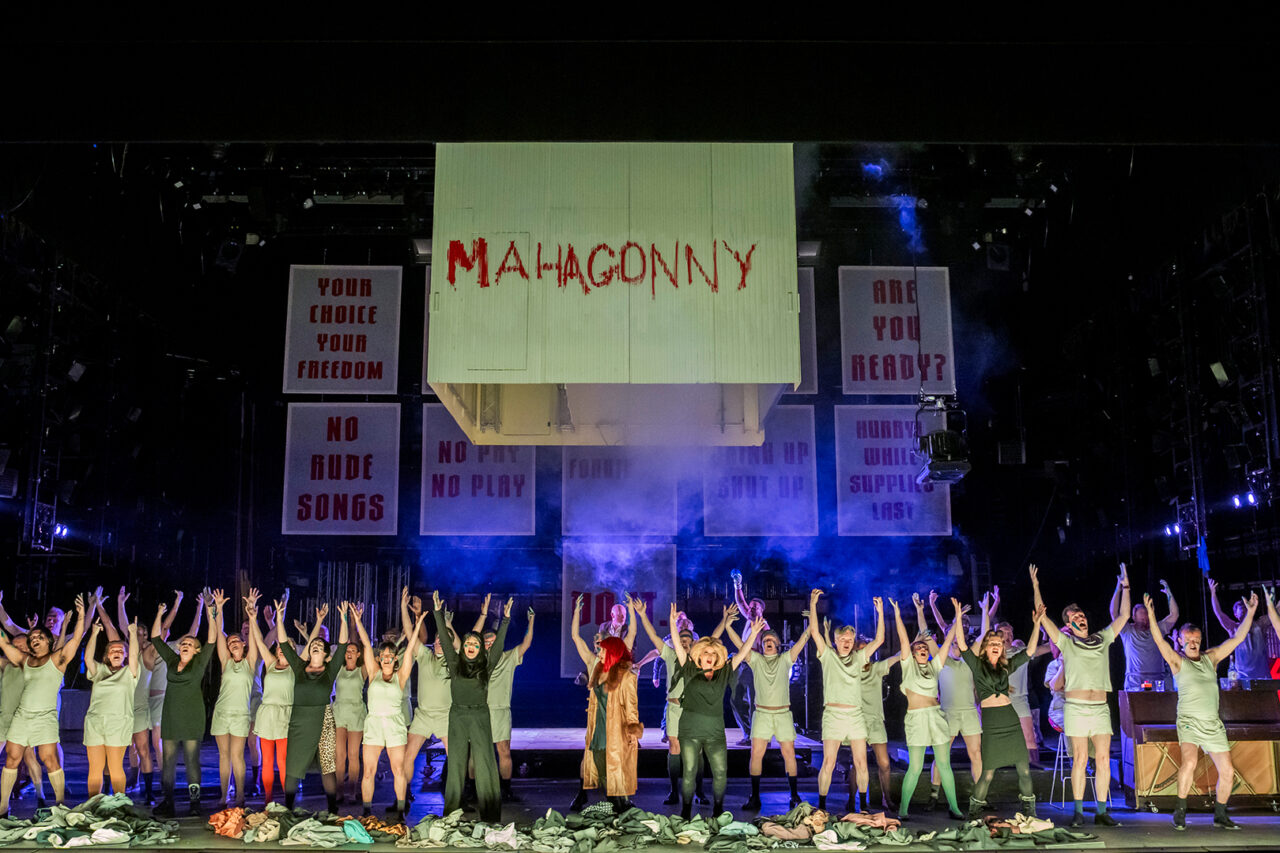
Being given space to breathe and experiment and show what I could do [on ENO Studio Live] was magic and special – and I was surrounded by fantastic encouraging people. But then, the ENO is full of people like that.’Milla Clarke, Designer, Rise and Fall of the City of Mahagonny
Related content
An Introduction to Rise and Fall of The City of Mahagonny