‘Something written nearly 300 years ago still feels cutting-edge, even ahead of us. That’s the miracle of Handel. Each revival teaches me how alive these operas still are.’Christopher Alden, Opera Director
Partenope - a woman in command
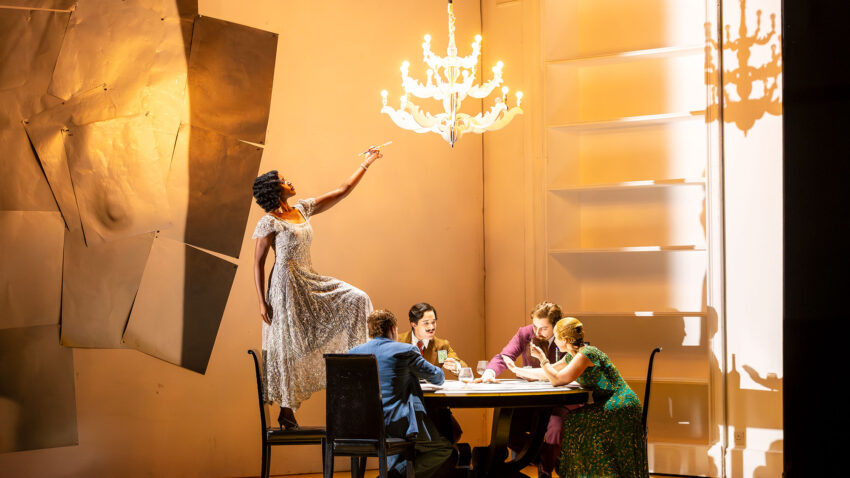
At the opera’s centre stands Partenope herself, ‘a woman in command of her own court’. Yet Alden resists seeing her as invulnerable. ‘Everyone calls her Act II aria the butterfly aria – but farfaletta also means “moth”. She’s the moth drawn to the flame, playing with fire. It’s her moment of self-doubt. Does anyone love her for who she is, or only for her power? That’s heartbreakingly human.’
‘We kept circling powerful women’, Alden recalls. ‘Margaret Thatcher came up – and was rejected fairly fast! Then Coco Chanel brought us close: that queen-bee world of glamour and control, with men buzzing around her.’
Handel's Comic Operas
Partenope fascinates Alden because it allows Handel ‘to poke fun at those endless “serious” operas about warriors and rulers. Here Handel’s turning them inside out’.
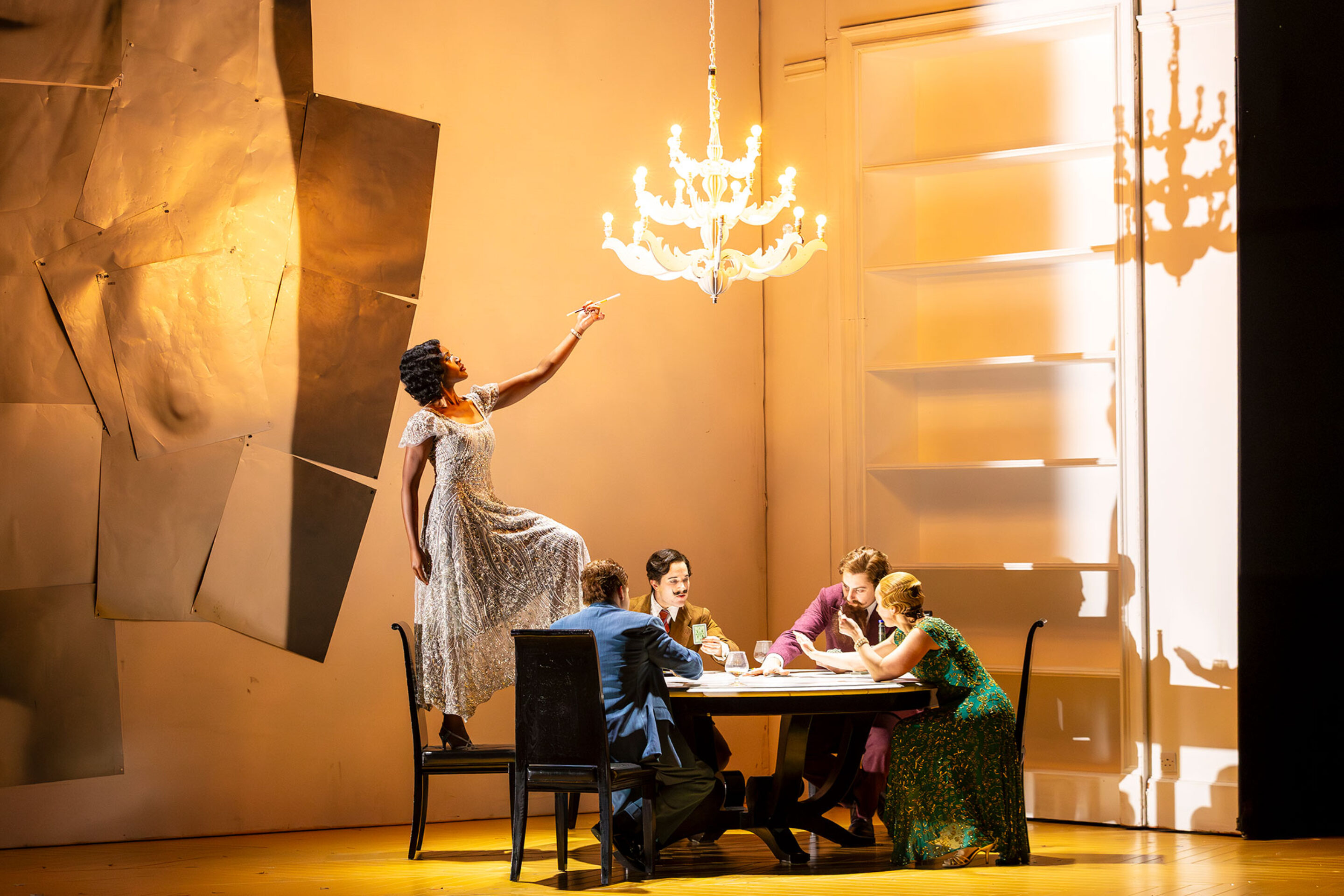
The production’s celebrated relocation to the 1920s and 30s emerged from conversations with designers Andrew Lieberman and Jon Morrell, and dramaturg Peter Littlefield.
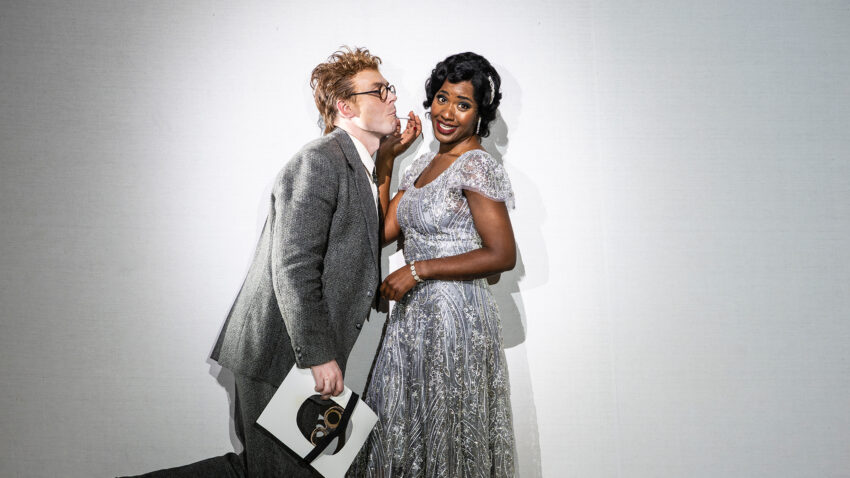
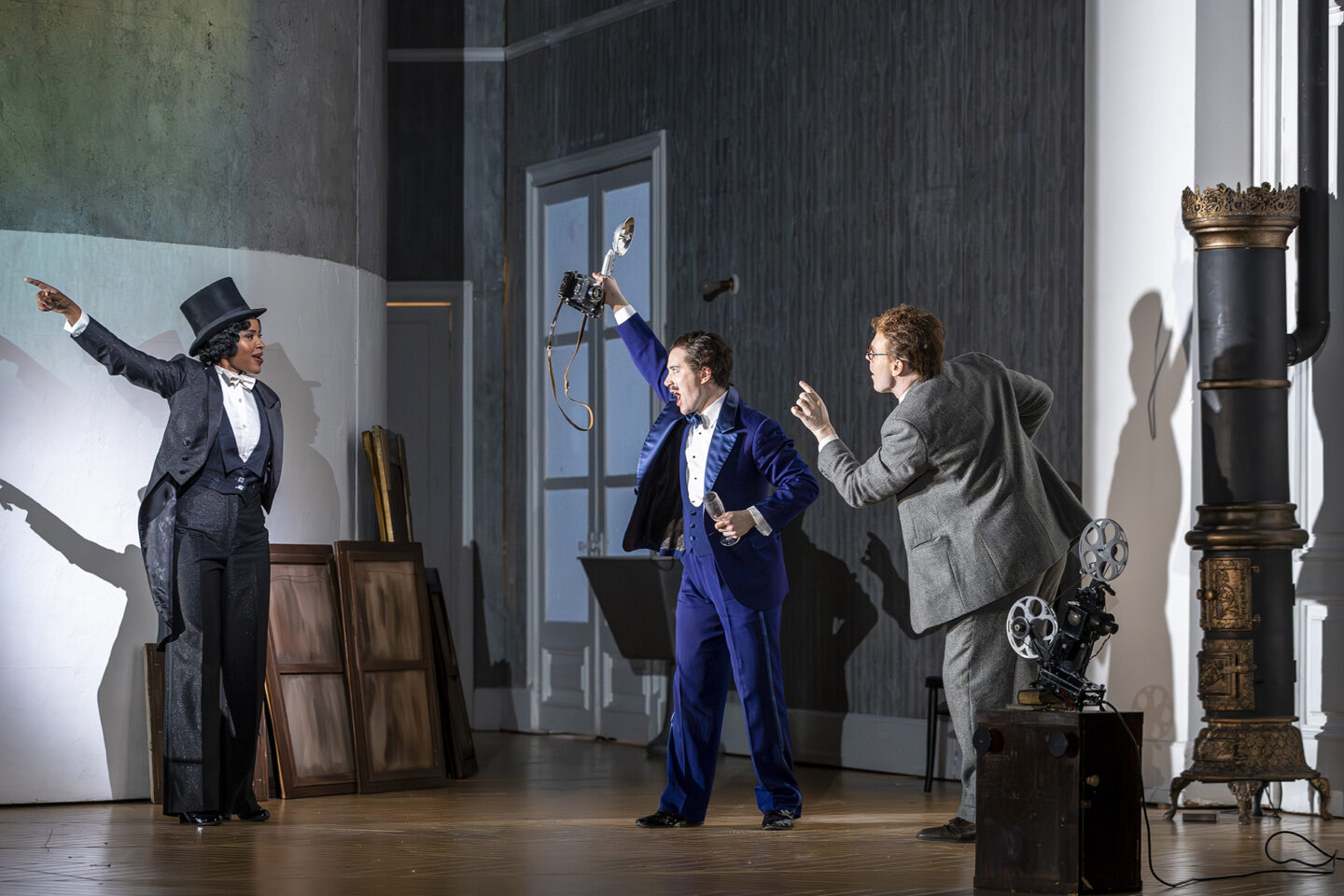
From there the trio landed on the interwar salon, where Chanel’s milieu met surrealism. They even modelled Emilio, the outsider on celebrated photographer Man Ray.
‘After the trauma of the First World War’, Alden explains, ‘the surrealists were looking for less rational ways to think about the world. Partenope is exactly about that – how love and desire upend the rational side of life and take us into crazier, dreamier places.’
Alden's approach to a revival
He says. ‘You never simply repeat yourself. You listen harder. You see how the world has changed around the piece. The opera’s not a museum object; it’s a living organism.’
The Man Ray thread gives the piece an unexpectedly contemporary edge. ‘He’s photographing everyone, revealing their secrets. It’s so much like social media now, where everything is exposed and documented and there are almost no secrets left. When we first did the show, Facebook had barely begun. Now the idea that private life can be performed and consumed feels prophetic.’
‘Back in 2008, the non-binary idea was just beginning to enter the conversation. Now it’s part of our daily lives – and, of course, we’re in a backlash phase too.’
Rosmira's male disguise
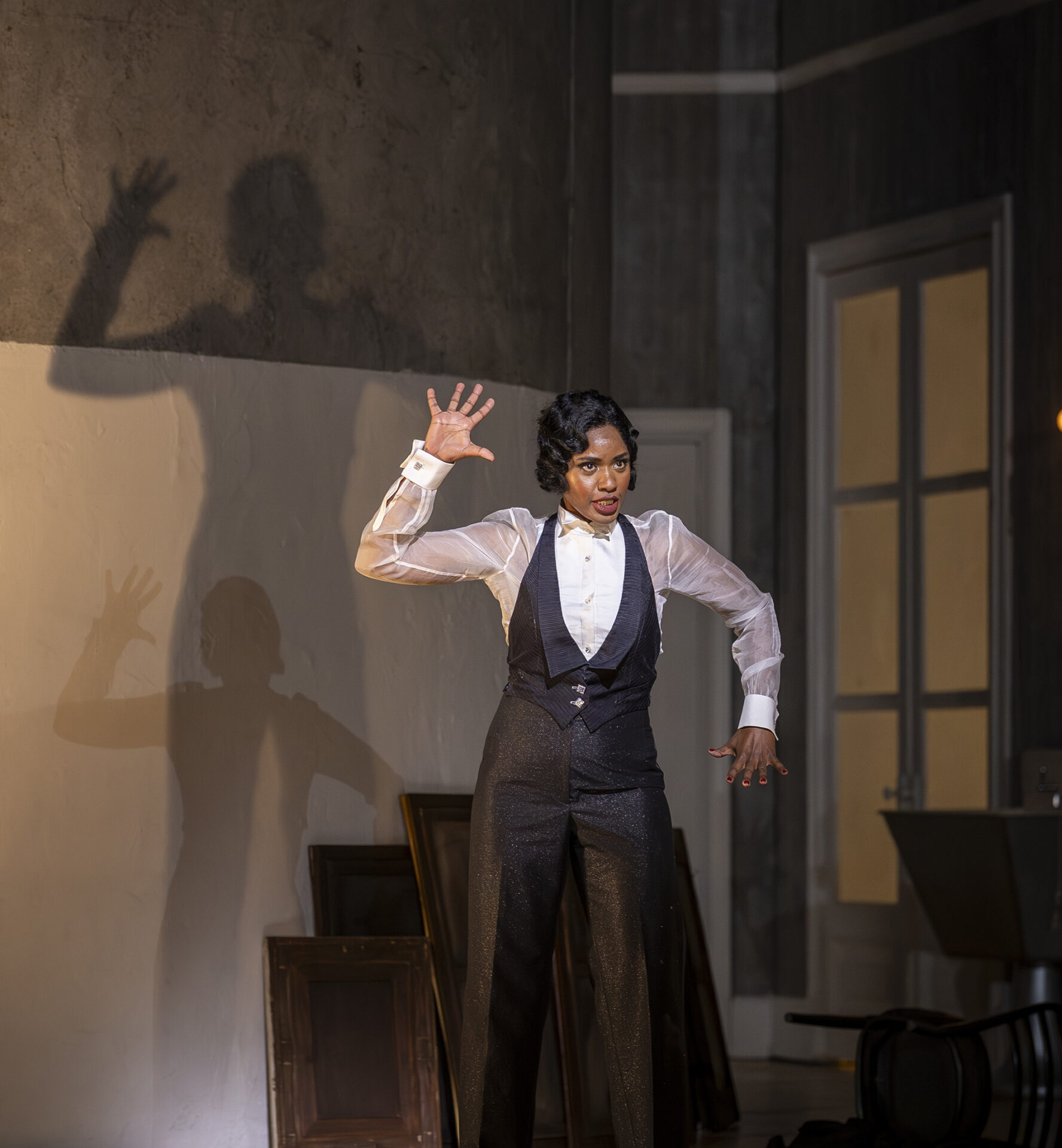
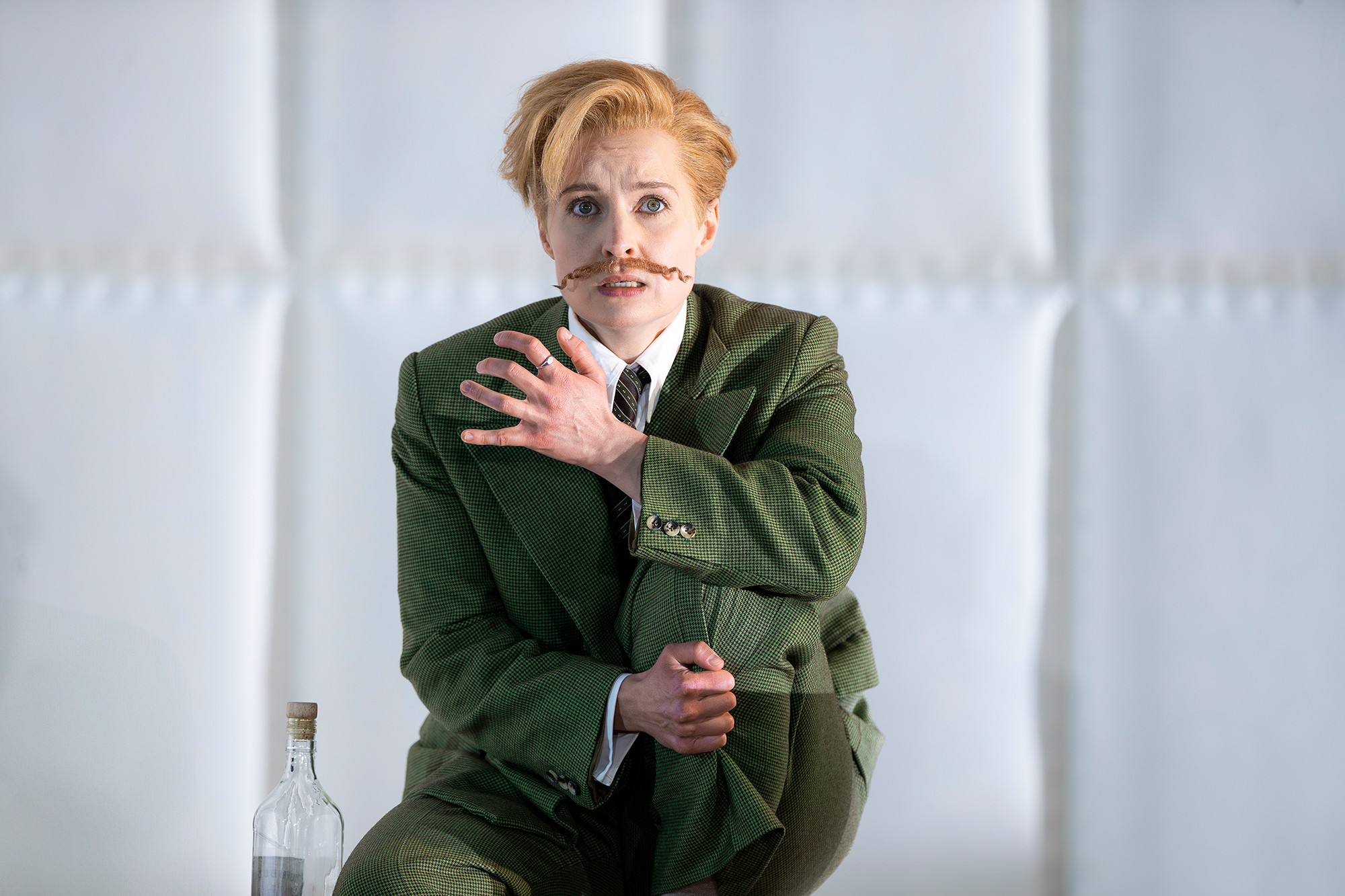
The role of Rosmira, who disguises herself as a man – Eurimene – to win back her lover, extends that study of power.
‘She literally rips off her false moustache and the men’s clothes’, Alden notes. ‘It’s about reclaiming her own femininity, her own identity. In a way Rosmira is the most powerful figure of all.’
Partenope's Six Characters
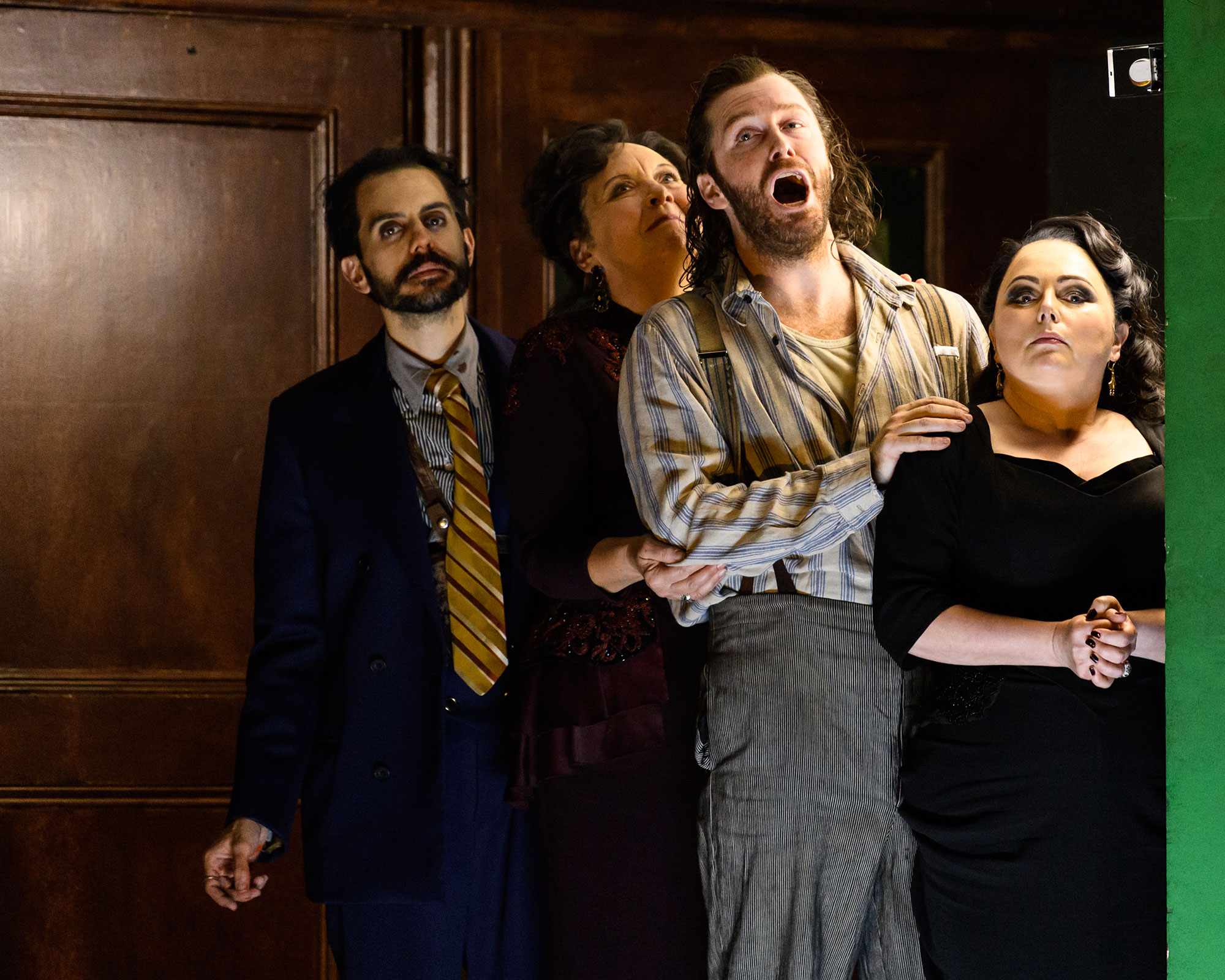
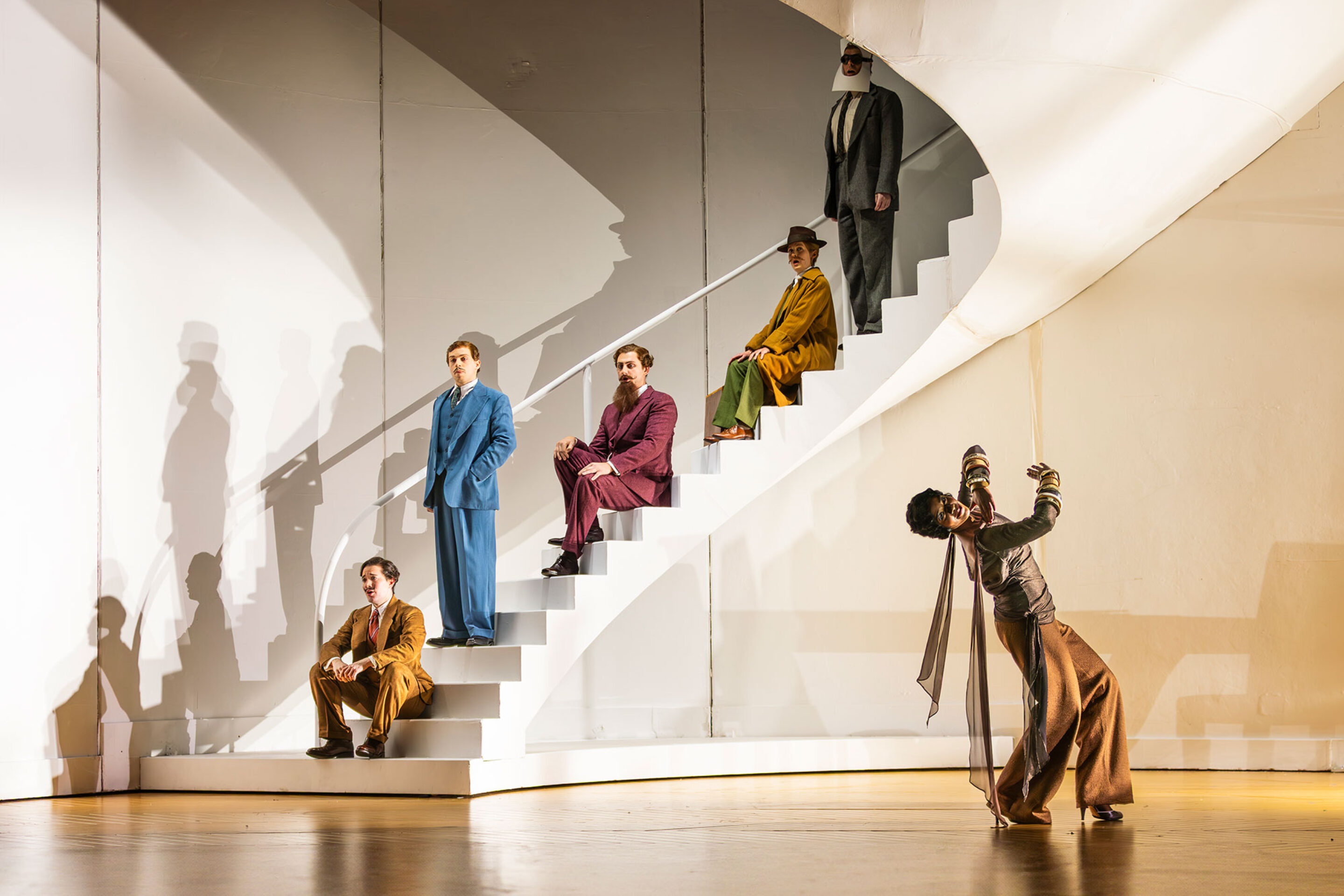
Apart from Partenope, Alden emphasises that each principal undergoes a reckoning – ‘a breakdown’.
- Partenope, it’s her moment of self-doubt. Does anyone love her for who she is, or only for her power?
- Arsace, caught between two loves, sings of being trapped in a storm.
- Rosmira confronts the disguise she can’t bear.
- Armindo, the timid suitor, finally exposes himself – literally and figuratively – to overcome fear.
- Emilio, the outsider modelled on celebrated photographer Man Ray, has his confinement scene: locked in a bathroom, smoking a cigarette through a high window.
- Ormonte, we find, is having issues with his sexuality.
‘Comic people, yes, but every one of them hits that point where comedy cracks and something true shows through.’
‘Every time I take on one of these pieces, it teaches me something about history, about society, about myself. They’re like mirrors that keep shifting depending on where you stand.’Christopher Alden, Opera Director
Related Content
An Introduction to Partenope