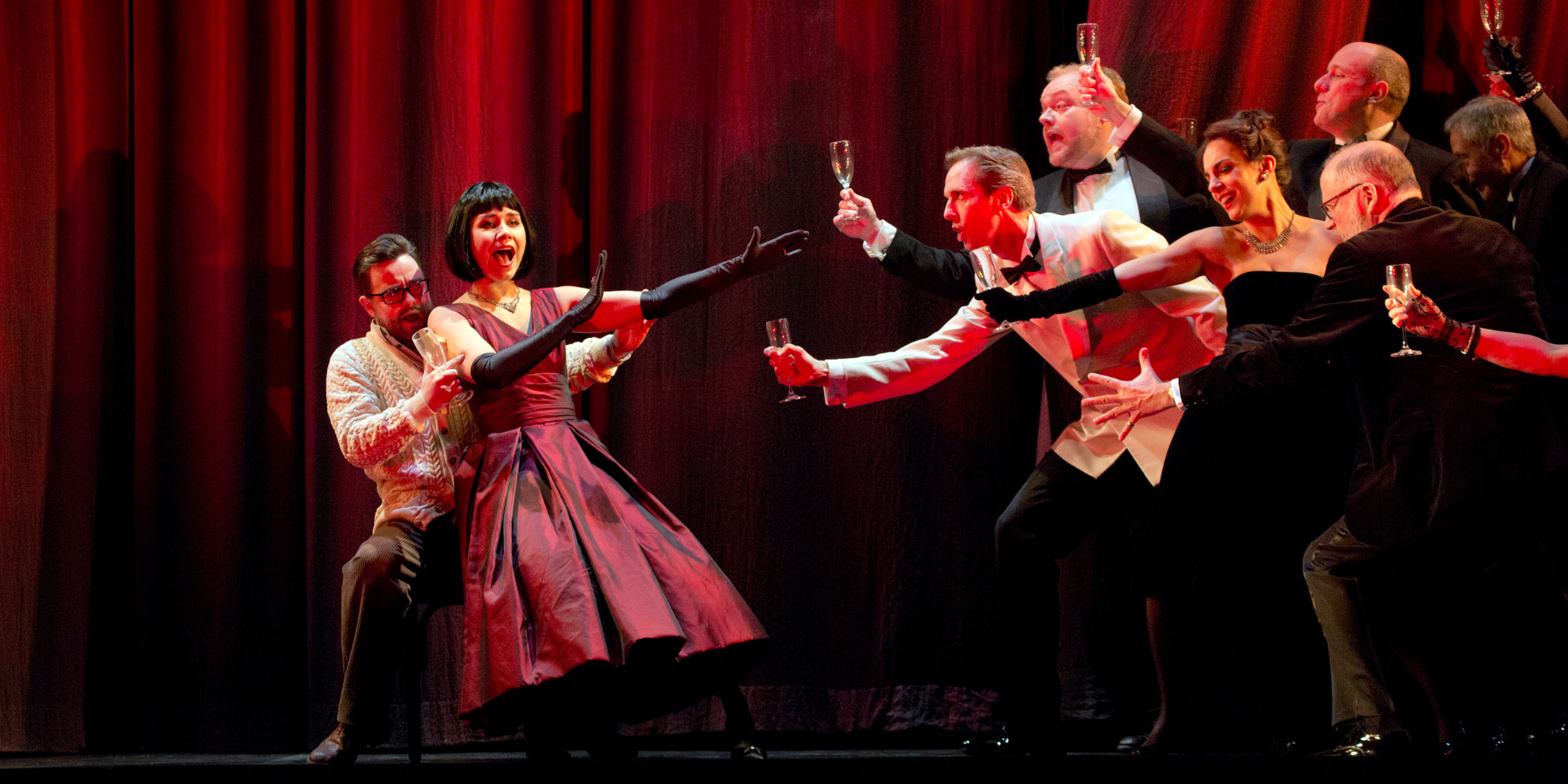
Trouble rumbling in Rome
Though our tale may follow Tosca herself, when our opera opens we meet the lone artist Cavaradossi, our titular heroine’s lover, and a painter by trade.
When Angelotti, escaped convict and political dissident, stumbles into the church Cavaradossi is working in, the artist offers aid and a place to hide from chief of police, the Baron Scarpia.
Shortly after, the villainous Scarpia enters, knowing that his prey was here shortly beforehand, and that his artist friend is implicit in aiding Angelotti. Sensing an opportunity when opera singer (and Cavaradossi’s lover) Tosca arrives, he begins a game of cat and mouse with the primadonna that leads to disaster. Who will survive? Will Tosca get her man? Will Scarpia recapture his prey?
Tosca: set in a time of turmoil
Puccini set the opera entirely within 48 hours, Tosca happens in the balmy days of mid-June 1800, in the years shortly after the French Revolution. Napoleon, fresh from victory in France, invaded Rome without opposition 1798, setting up a republic and exiling the reigning Pope, leading to the Church entering a time of turmoil.
In the time of Tosca, there is neither a papal government nor Pope, and news of Napoleon’s initial defeat (before reinforcements arrive) at the hands of Austrian forces in the Battle of Marengo is about to arrive to Rome.
Related Content


The Beginner’s Guide to Puccini