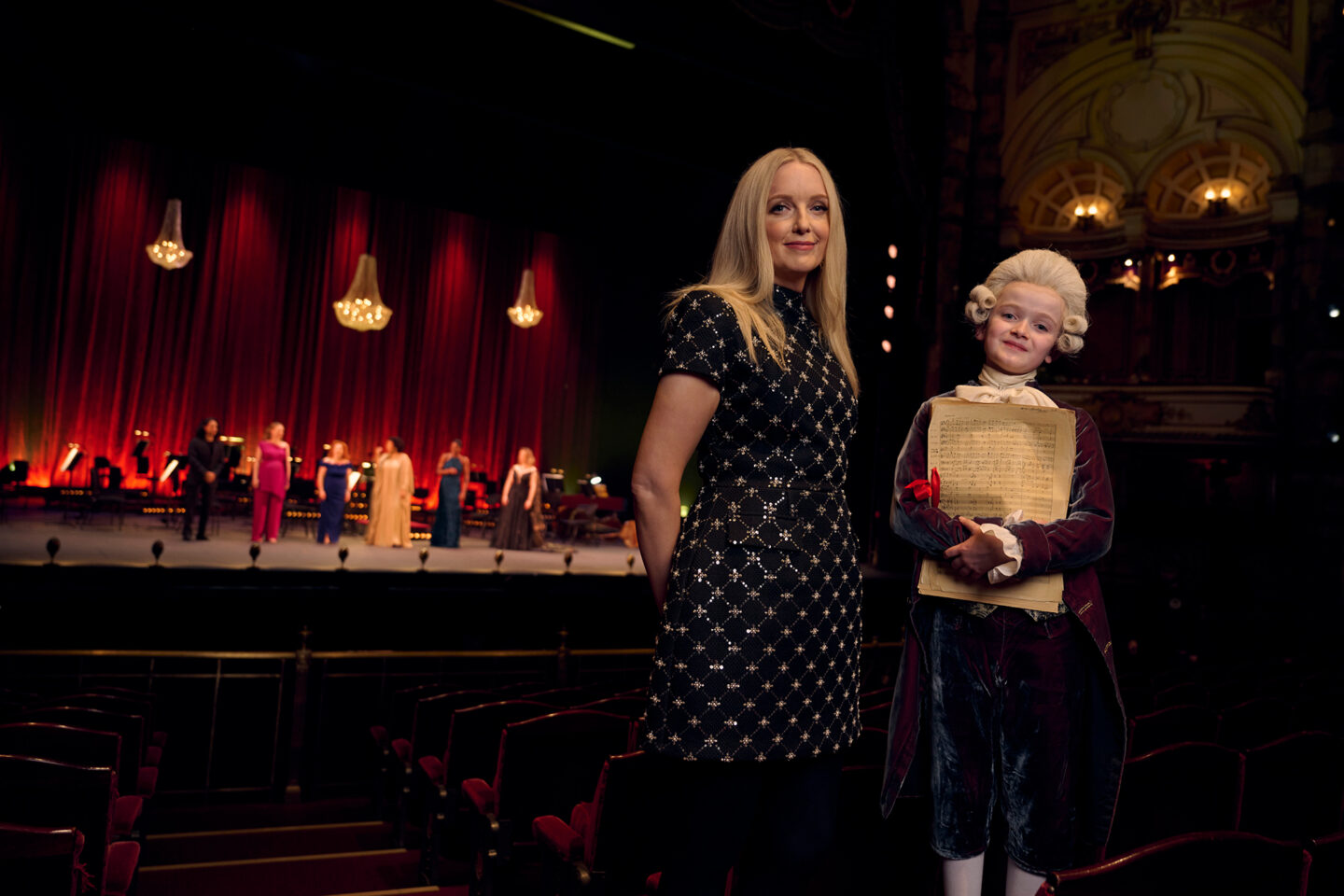
Cast & Creatives for Mozart’s Women: A Musical Journey
-

Lauren Laverne
Host
-

Rainelle Krause
Soprano soloist
-
Golda Schultz
Soprano soloist
-
Ailish Tynan
Soprano soloist
-

Nardus Williams
Soprano soloist
-

Bethany Horak-Hallett
Mezzo-soprano soloist
-
Filipe Manu
Tenor soloist
-
Clelia Cafiero
Conductor
-

Annilese Miskimmon
Director
-
Ian Jackson-French
Lighting designer

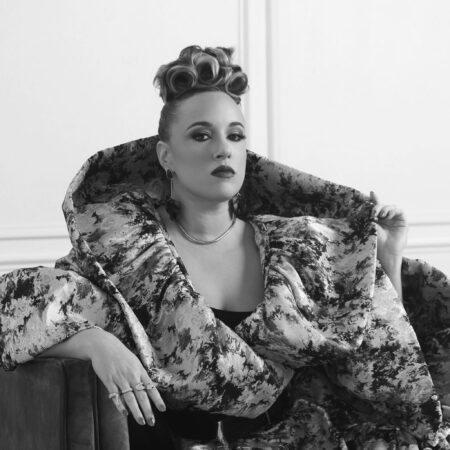

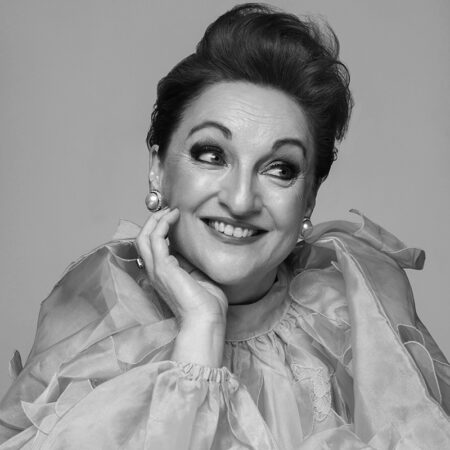






Mozart's Women Concert Programme
Bastien & Bastienne (1768)
Mein liebster Freund
German libretto by Weiskern, Müller & Schachtner
Bastienne: Ailish Tynan
Idomeneo (1781)
Andro ramingo e solo
Italian libretto by Giambattista Varesco
Ilia: Nardus Williams
Elettra: Golda Schultz
Idamante: Bethany HorakHallett
Idomeneo: Filipe Manu
Die Entführung aus dem Serail (1781-82)
Ach! ich liebte
English translation by David Pountney
Konstanze (Caterina Cavalieri): Rainelle Krause
Le Nozze di Figaro (1785-86)
Recit: E Susanna non vien!
Aria: Dove sono
Italian libretto by Lorenzo da Ponte
Contessa Almaviva: Golda Schultz
Le Nozze di Figaro (1785-86)
Short recit intro: Cosa mi narri
Aria: Sull’aria
English translation by Jeremy Sams
Susanna: Ailish Tynan
Contessa Almaviva: Golda Schultz
Der Schauspieldirektor (1796)
Ich bin die erste Sängerin…
English translation by Martin Fitzpatrick
Madame Herz: Rainelle Krause
Madamoiselle Silberklang: Ailish Tynan
Monsieur Vogelsang: Filipe Manu
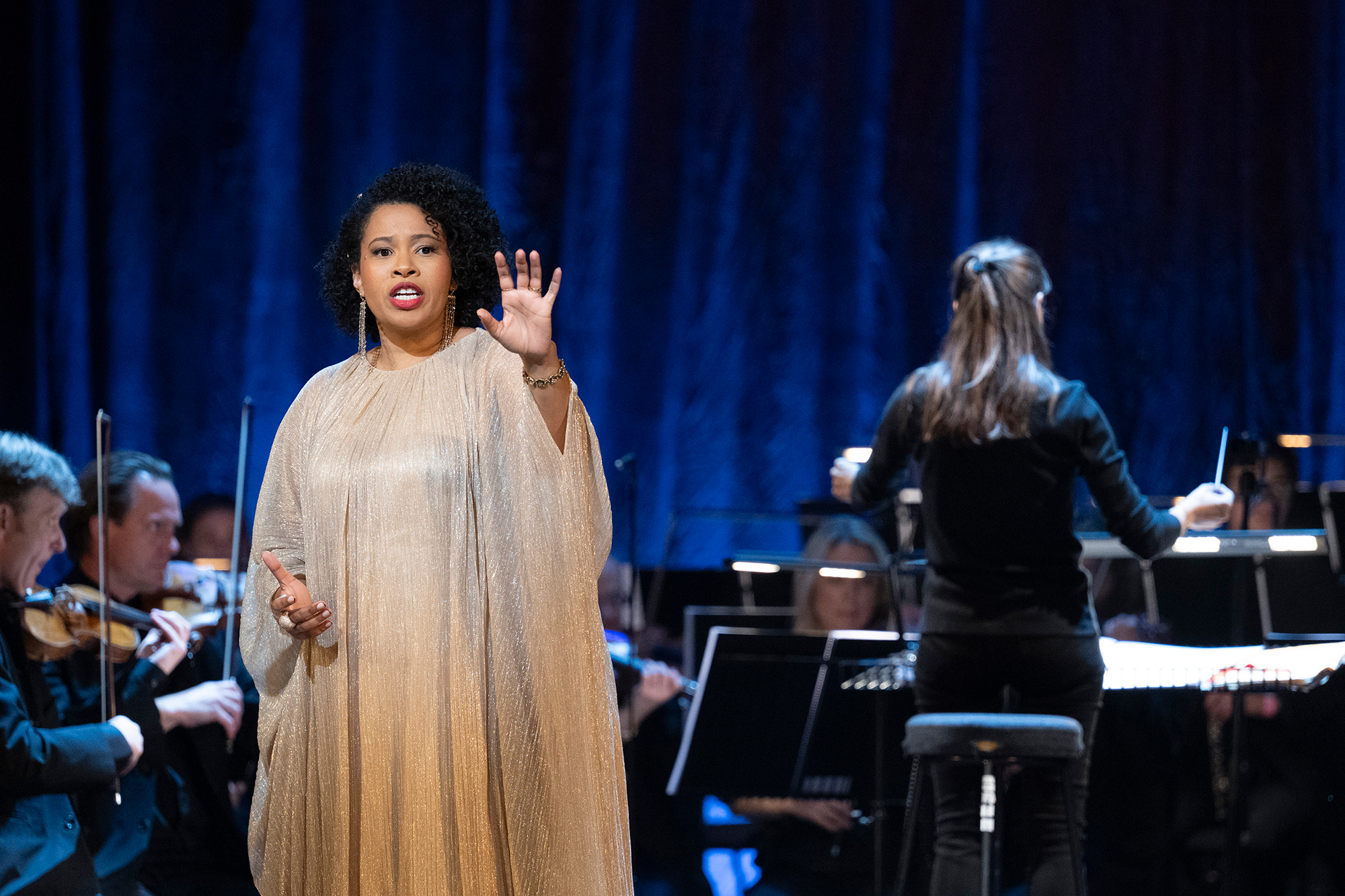
Don Giovanni (1787)
Recit: Calmatevi, idol mio
Aria: Non mi dir
English translation by Amanda Holden
Donna Anna: Nardus Williams
Don Ottavio: Filipe Manu
Don Giovanni (1787)
Recit: In quali eccessi…
Aria: Mi tradi
Italian libretto by Lorenzo da Ponte
Donna Elvira: Golda Schultz
Così fan tutte (1789-90)
Ah guarda sorella
English translation by Jeremy Sams
Fiordiligi: Nardus Williams
Dorabella: Bethany Horak Hallett
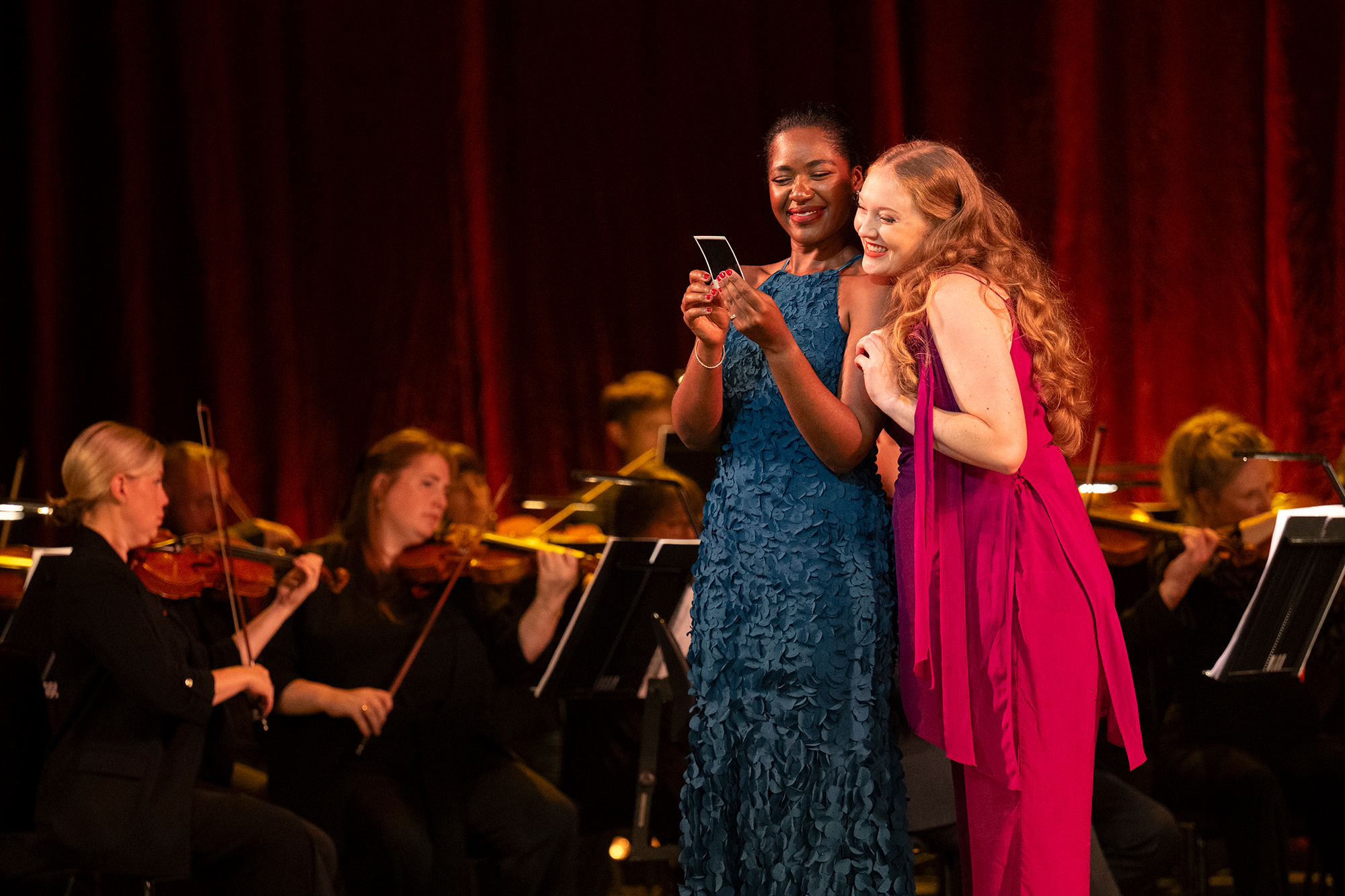
Così fan tutte (1789-90)
Fra gli amplessi
English translation by Jeremy Sams
Fiordiligi: Nardus Williams
Ferrando: Filipe Manu
La Clemenza di Tito (1791)
Ah perdona al primo affetto
English translation by Amanda Holden
Servilia: Ailish Tynan
Annio: Bethany HorakHallett
La Clemenza di Tito (1791)
S’altro che lagrime
Italian libretto by Caterino Mazzolà
Servilia: Ailish Tynan
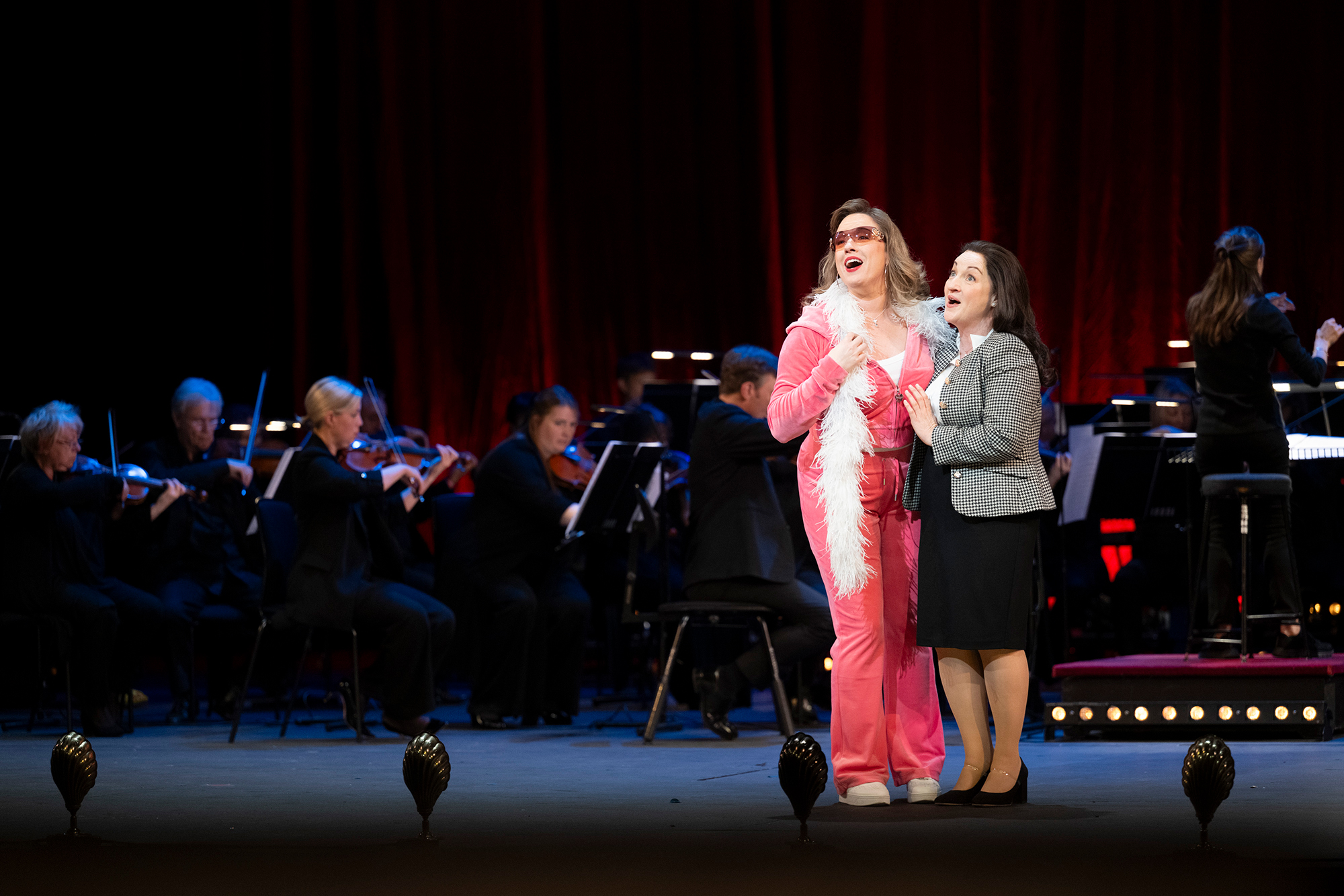
Die Zauberflöte (1791)
Der Hölle Rache
English translation by Stephen Jeffreys
Queen of the Night: Rainelle Krause
Concert Aria KV383 (written in 1782, first performed in 1783)
Nehmt meinen Dank
English translation by Lorraine N Finley
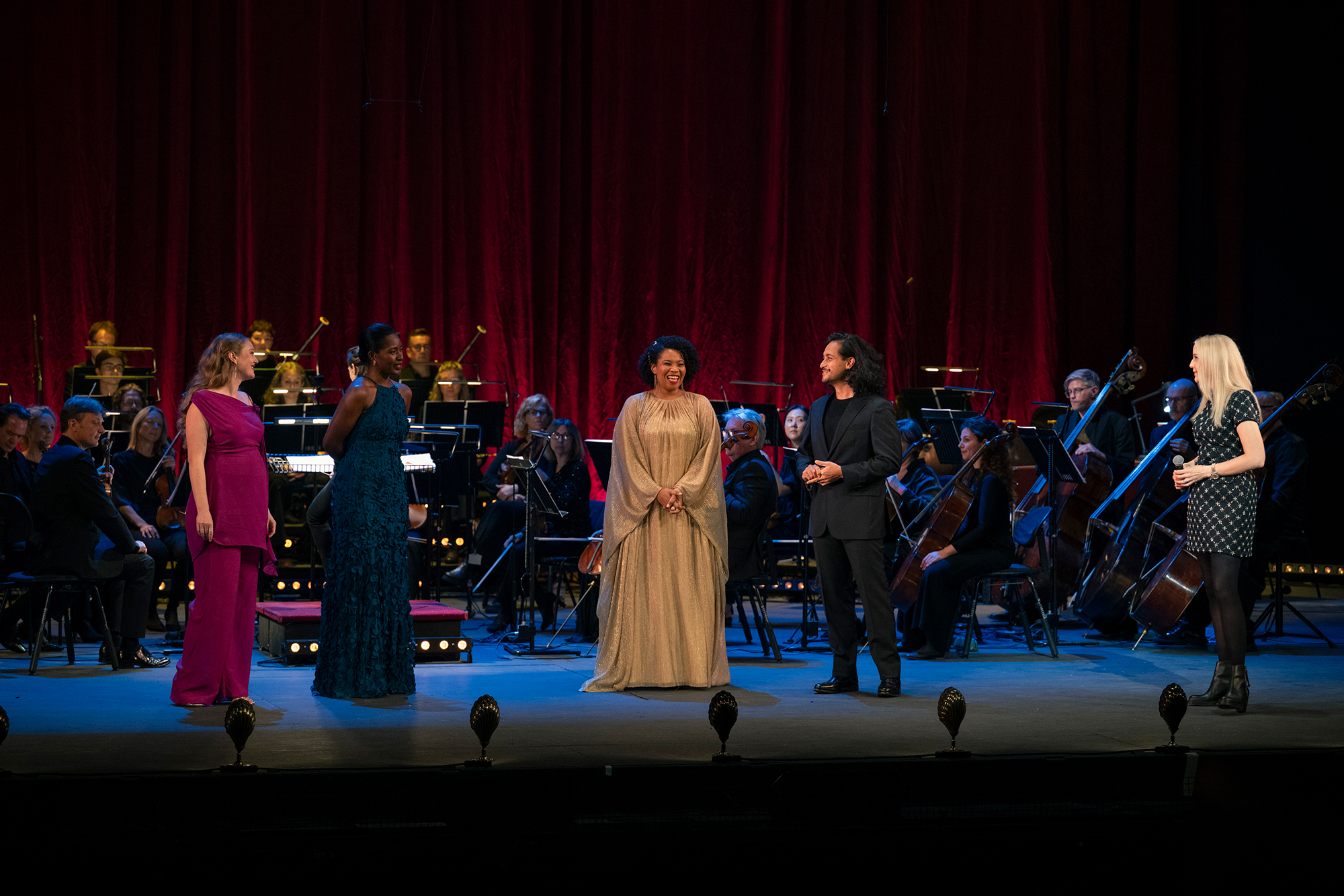
Nardus Williams, Golda Schultz, Bethany Horak-Hallett, Ailish Tynan, Rainelle Krause
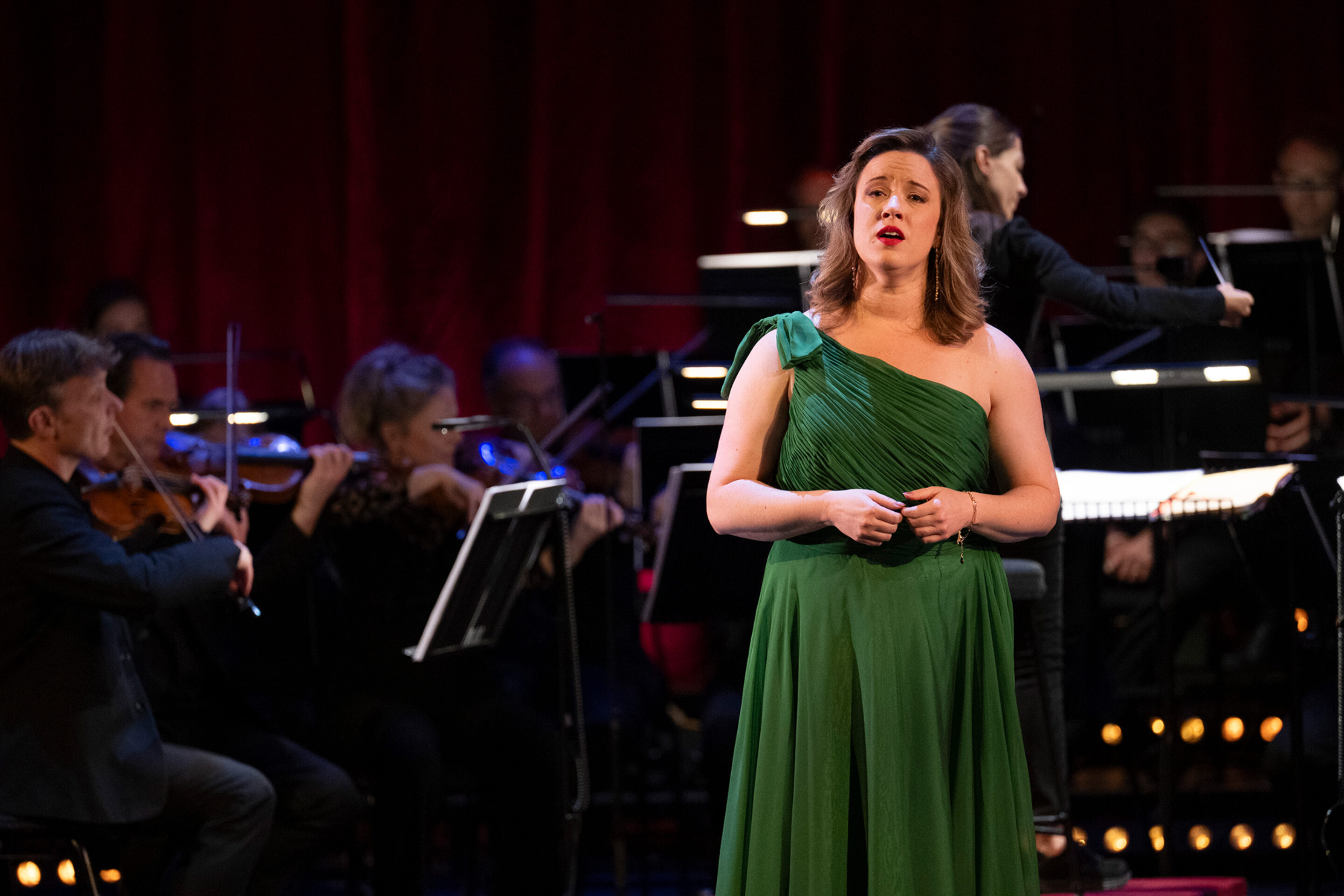
The women who influenced the music, and life, of Mozart
Throughout his life, Wolfgang Amadeus Mozart was surrounded by women who left their mark on everything from his compositions to his character. Whether family members, friends, patrons or protagonists, they helped shape his life and inspire his work, and often sang their own stories through his music.
History’s spotlight has long fallen on him alone, but a new perspective is now emerging – one that finally recognises ‘Mozart’s women’ for the central, scene stealing roles they played.
The presence of these extraordinary women reverberate throughout Mozart’s operas. His female characters are among the richest and most emotionally complex across the genre, because they feel so real.
Think Donna Elvira in Don Giovanni, the Queen of the Night in The Magic Flute, and the sisters of Così Fan Tutte, to name but a few. All are clever, courageous and emotionally articulate. All, too, refuse to be defined by their time, even as they are shaped by it.
Anna Maria Mozart - Mozart's Mother
Leopold Mozart, relentless in his ambition and uncompromising in his discipline, is often credited as the driving force behind his son’s career – but this is to overlook the gentler, no less formative influence of Mozart’s mother, Anna Maria.
Warm, nurturing and quietly resilient, she accompanied her teenage son on early European tours. In 1778, she travelled with him to Paris, where she died. Mozart kept news of her death from his father for more than a week, but the sombre beauty of his Eighth Piano Sonata – the first of only two in a minor key – reveals the depth of his grief.
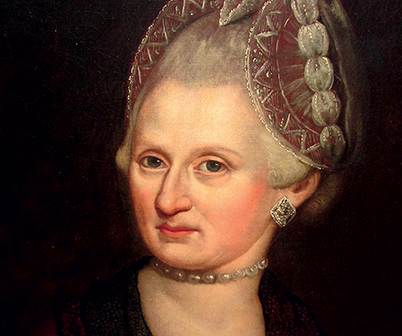
Maria Anna ‘Nannerl’ Mozart - Mozart's sister
A gifted pianist, Maria Anna – affectionately known as Nannerl – dazzled audiences alongside her younger brother during their three-year tour of Europe. Mozart idolised his sister; the two shared a secret language and an imaginary kingdom, where they ruled as king and queen.
When he began composing his first symphony (K. 16), it was to Nannerl that he turned. Decades later, she recalled Mozart saying: ‘Remind me to give something good to the horns!’ Some say she was the more accomplished sibling in their early years, but once she reached marriageable age, their father pulled her from the stage and into domestic life. Her works have been lost over time, but her influence lingered. Writing from Rome in 1770, Mozart declared: ‘My dear sister! I am in awe that you can compose so well… the song you wrote is beautiful.’
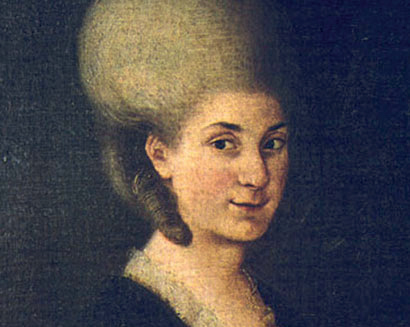
Aloysia Weber
If Mozart’s love life were a romantic film, Aloysia Weber would be the early-act heartbreak.
A gifted soprano with serious stage presence, she captured his heart in Vienna; he was so smitten, he wrote eight arias for her. Awkwardly, she turned down his proposal. Still, Aloysia inspired some of his most iconic vocal writing and starred in the Viennese premieres of Der Schauspieldirektor (The Impresario) and Don Giovanni… even if, in a major plot twist, Mozart married her sister.
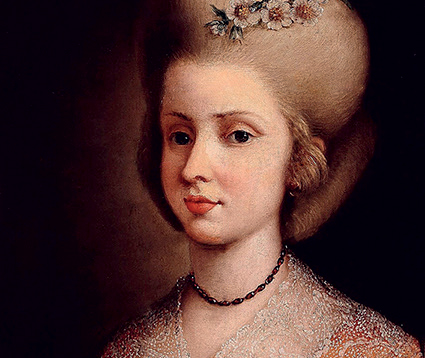
Constanze Weber
Constanze has often been painted as a mere footnote to Mozart’s genius, but she was a talented soprano, a shrewd businesswoman, and a tenacious guardian of her husband’s legacy after his death.
She sang in the Salzburg premiere of Mozart’s Great Mass in C minor, and, in his words, ‘never ceased to entreat me until I wrote down a fugue for her’. Much has been made of her absence from Mozart’s burial, but it is worth remembering this: she organised the first posthumous performances of his Requiem, oversaw the publication of his biography in 1836 and kept his name from fading into obscurity.
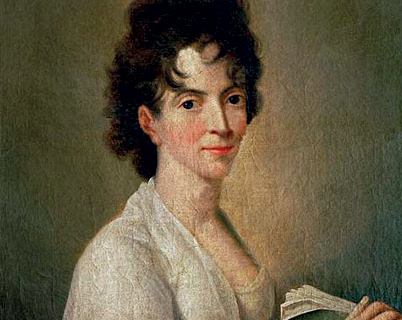
Josepha Auernhammer
One of Mozart’s most brilliant students, Josepha Auernhammer impressed him so much that he composed the Sonata for Two Pianos in D Major, K. 448 for them to perform together. He also dedicated six violin and piano sonatas to her. Josepha composed, performed until 1813, and lived life on her own terms – until, inevitably, marriage changed her course.
Marianna Martines
In the salons of Vienna, Marianna Martines stood head and shoulders above the rest as a composer, singer and pianist. She regularly performed with Mozart and received patronage from the Imperial Court. While her music is seldom heard today, she was one of Mozart’s peers, exchanging ideas, sharing stages and expanding his artistic circle.
Regina Strinasacchi
Mozart’s Sonata in B-flat for Violin and Keyboard (K. 454) was written for Regina Strinasacchi, one of the few celebrated female violin virtuosos of her time. They performed it together before Emperor Joseph II, with Mozart famously playing the piano part from memory – a testament to their sizzling musical chemistry.
Countess Maria Wilhelmine von Thun und Hohenstein
Host of one of Vienna’s most influential musical salons, the Countess was a vital part of Mozart’s professional rise, lending him her Stein piano and helping arrange performances of Idomeneo before powerful patrons. This support proved pivotal to his breakthrough in Vienna.
The operas of Mozart

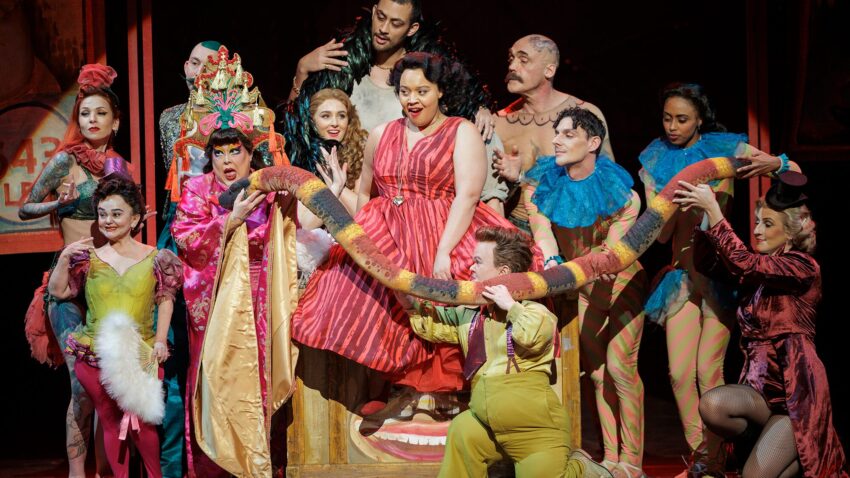


Listen to some of Mozart’s greatest arias
Mozart’s arias and ensembles for women are among his greatest, most beloved operatic achievements.
Queen of the Night from The Magic Flute
He wrote Der Hölle Rache known as the Queen of the Night aria in The Magic Flute. He composed it for his sister-in-law Josepha Hofer. The aria is a virtuosic tour de force, with repeated ascents to a stratospheric top F.

Sull’aria from The Marriage of Figaro
‘Sull’aria’ from The Marriage of Figaro, sees the Countess dictate a letter to Susanna designed to entice the Count into an assignation with Susanna, at which his philandering behaviour will be exposed.
The duet weaves the vocal lines and the wind instruments together beautifully.
Mi tradi from Don Giovanni
An aria from Act II of Mozart’s opera Don Giovanni, Mi Tradi was not in the original production which had premiered by Prague.
Mozart wrote the aria especially for the soprano Caterina Cavalieri who played Don Elvira in the first production in Vienna.
Cavalieri was known for her brilliant virtuosity, she had starred in Die Entführung aus dem Serail one of his earlier operas that he’d written when he first arrived in Vienna.
Listen to our Mozart Playlist
Related Content
Mozart's Most Famous Music: Where to Start

The Beginner's Guide to Mozart
